 News Desk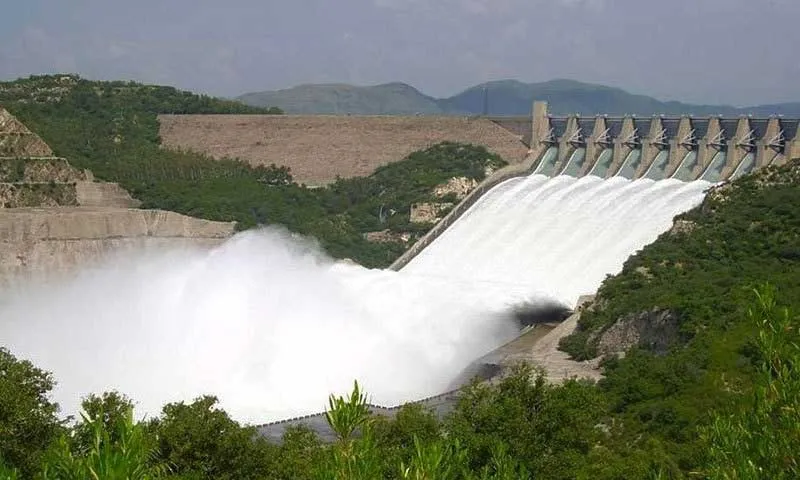
MUZAFFARABAD — For over a year, Pakistan’s Neelum Jhelum Hydropower Project—a $6 billion (508 billion rupees) marvel meant to light up homes and power industries—has sat idle, its 969-megawatt capacity silenced by a busted headrace tunnel. Since May 2024, this dam, once a beacon of hope for a nation plagued by energy shortages, has produced zero electricity, plunging citizens deeper into the misery of relentless load shedding. And yet, the government, cash-strapped and seemingly indifferent, has done little to resurrect it.
The numbers tell a grim story. Repairing the tunnel’s faults, first spotted last year, will cost between 21 and 23 billion rupees—roughly $75 to $82 million at today’s exchange rate—according to project officials. Add to that the 5 billion rupees ($18 million) already spent just to drain the tunnel and clear debris, and the price tag keeps climbing. Sources from the Ministry of Water Resources say another year of repairs looms, assuming the funds ever materialize. Meanwhile, the annual loss to Pakistan’s treasury from this shutdown? A staggering 55 billion rupees ($196 million), as the plant once churned out over 4.5 billion units of cheap electricity a year.
Pakistan’s economy, already on life support with dwindling foreign reserves and a ballooning debt crisis, can’t seem to cough up the cash. The project management has begged for the 23 billion rupees needed to fix the tunnel, but the federal government’s coffers are bare. Modern machinery to pinpoint the damage is still a pipe dream, and even whispers of handing the job to a Chinese firm—a nod to the original builders—hinge on approvals that aren’t forthcoming. Bureaucratic paralysis has left the dam’s fate hanging, a symbol of a nation that can’t get out of its own way.
Load shedding, already a daily torment for millions, has worsened without Neelum Jhelum’s power. Factories limp along, households swelter in the dark, and the grid strains under the weight of imported fuel that costs far more than the dam’s hydropower ever did. Back in 2022, the plant’s tailrace tunnel cracked, sidelining it for 13 months and costing 6 billion rupees ($21 million) to patch up. It roared back to life in August 2023, only to collapse again nine months later. Experts say shoddy design and ignored warnings about the region’s shaky geology are to blame—yet no one’s been held accountable.
The government’s response? A shrug. Prime Minister Shehbaz Sharif ordered an inquiry last July, railing about the “millions of rupees” lost, but the trail’s gone cold. A Senate session this month saw Minister Musadik Malik admit the plant’s been dead since May 2024, offering no timeline for revival. Posts on X echo the frustration: “5 billion dollars down the drain,” one user fumed, pointing to the project’s ballooning costs from an initial $1 billion estimate. Another called it “a textbook case of corruption and mismanagement.”
Pakistan’s people are paying the price—literally. Electricity bills still carry a Neelum Jhelum surcharge, a bitter irony for a plant that’s now a $6 billion paperweight. With no serious measures on the table, the government seems content to let load shedding rule and the dam rot. For a country that can’t afford to lose 55 billion rupees a year, it’s a failure that’s as predictable as it is unforgivable.