News Desk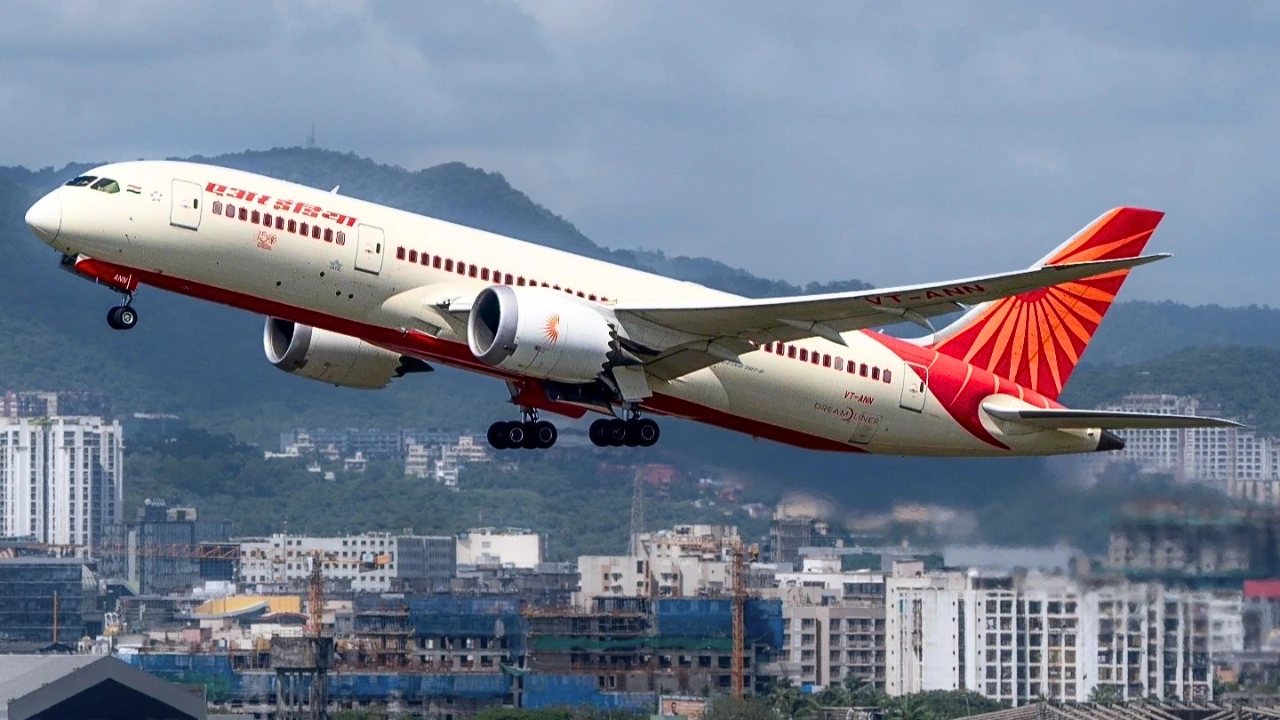
On June 12, 2025, Air India Flight AI171, a Boeing 787 Dreamliner, embarked on what should have been a routine journey from Ahmedabad’s Sardar Vallabh Bhai Patel International Airport to Gatwick, London. Carrying 230 passengers and 12 crew members, the flight met with catastrophe just moments after takeoff, resulting in 270 fatalities—the deadliest disaster in Indian aviation history. While Western media has been quick to point fingers at the pilots, a closer examination of the preliminary report and Boeing’s troubling history of obfuscation suggests the real culprit may lie with the aircraft manufacturer. This article delves into the critical findings of the report, particularly regarding the mysterious fuel cut-off switch issue, and calls for accountability from Boeing, not the pilots, while highlighting India’s commendable aviation standards.
The Fateful Moments of AI171
The sequence of events leading to the crash was chillingly swift. At 1:18 PM, AI171 began its taxi from the parking bay, with all pre-flight checks— including breath analyser tests for the crew—showing normal results.
The pilots, experienced and medically fit, were well-rested, and the aircraft was within weight limits, carrying 54,000 litres of fuel and no dangerous cargo.
Weather conditions were ideal, with clear visibility.
At 1:37 PM, the plane received takeoff clearance from Runway 23 and became airborne at 1:38 PM. Just 42 seconds later, disaster struck.
The Enhanced Airborne Flight Recorders (EFR) revealed a shocking anomaly: the fuel supply to both Engine Number One and Engine Number Two was cut off simultaneously.
The fuel cut-off switches, located between the pilots, moved from the “run” to the “cut-off” position within one second. These spring-loaded switches, designed with guard rails to prevent accidental activation, are meant to shut down engines only after parking or in emergencies like an in-flight fire.
Cockpit voice recordings captured one pilot’s confusion, asking why the cut-off was initiated, while the other denied responsibility.
By 1:38 PM and 47 seconds, the engines’ output power (N2 values) plummeted below idle, triggering the Ram Air Turbine for emergency power. Despite the pilots’ desperate attempts to recover—returning the switches to “run” and initiating the Full Authority Dual Engine Control (FADEC) system to relight the engines—the plane had insufficient altitude and time.
Engine Number One showed signs of recovery, but Engine Number Two continued to decelerate.
At 1:39 PM and 5 seconds, a “Mayday” call was issued. Six seconds later, the EFR stopped recording, and AI171 became a fireball.
The Preliminary Report: Questions Over Clarity
A month after the crash, the Indian government released a preliminary report that ruled out several potential causes: fuel contamination, improper flap settings, gear issues, bird strikes, or weather-related problems.
The pilots’ credentials were impeccable, and the aircraft was within operational limits. Yet, the report’s most contentious point was its failure to explain why the fuel cut-off switches moved to the “off” position, a critical detail at the heart of the tragedy.
The report noted that the switches’ movement was confirmed by the EFR but did not specify whether this was due to mechanical failure, an electrical issue, or a software anomaly.
No cockpit camera exists to clarify whether a pilot inadvertently or deliberately moved the switches. Alarmingly, the report concluded with a statement that raised red flags: “At this stage of investigation, there is no recommended action for Boeing 787-8 and/or other GE engines.”
This lack of urgency in addressing a potential systemic issue has drawn parallels to Boeing’s handling of past controversies, particularly the 737 MAX crashes.
Boeing’s Troubling History of Cover-Ups
Boeing’s track record casts a long shadow over the AI171 investigation. The 737 MAX crashes of 2018 and 2019, caused by a faulty Maneuvering Characteristics Augmentation System (MCAS), exposed Boeing’s tendency to downplay or conceal critical safety issues. In those cases, the company and some investigators withheld information about the MCAS’s flaws until a second crash forced action.
The AI171 preliminary report’s decision to forgo immediate recommendations for the Boeing 787-8 and its engines mirrors past instances, prompting questions about whether critical issues might be underemphasized to safeguard Boeing’s interests.
A significant revelation comes from a 2018 FAA Special Airworthiness Information Bulletin, which reported that Boeing had received complaints from 737 operators about fuel control switches installed with disengaged locking features. This defect allowed switches to move between positions without being lifted, increasing the risk of inadvertent operation and in-flight engine shutdowns. Crucially, the bulletin noted that the same type of switch is used in the Boeing 787—the aircraft model involved in AI171.
Boeing’s response was to issue a non-mandatory recommendation, allowing the company to deflect blame if the switch is found to be faulty. Air India, relying on the non-mandatory nature of the advisory, did not inspect the switches, despite replacing other components on the aircraft in 2019 and 2023.
This oversight is particularly concerning given a prior fault code reported by the crew of AI 432, which operated the same aircraft earlier that day. The stabiliser position sensor issue was supposedly resolved, but it raises questions about the reliability of other sensors or switches, including the fuel cut-off mechanism.
The Indian Pilot Association has expressed concerns about the investigation and its early focus on pilot error, suggesting that a potential issue with the fuel switch, such as a mechanical or electrical fault, warrants equal consideration.
India’s Aviation Integrity vs. Boeing’s Negligence
India’s aviation sector has demonstrated commendable diligence in maintaining safety standards. The AI171 crew followed all protocols, and the aircraft was meticulously checked before takeoff. Air India’s reliance on Boeing’s non-mandatory advisory was reasonable, given the lack of regulatory mandates. In contrast, Boeing’s history of prioritizing profit over safety is evident in its failure to enforce mandatory inspections of the fuel control switches.
The company’s “cunning” move to issue a recommendation rather than a directive shifts responsibility onto operators like Air India, allowing Boeing to evade accountability. The preliminary report’s reluctance to recommend immediate action for the 787 fleet is a disservice to the victims of AI171 and a potential risk to future flights.
The Indian Pilot Association’s call to test all 787 fuel switches is a prudent step that Boeing and regulators must heed to prevent another tragedy. The parallels to the 737 MAX crashes are stark: a faulty component, ignored warnings, and a rush to blame pilots rather than address systemic issues.
A Call for Accountability
The tragedy of AI171 is not a story of pilot error but a cautionary tale of corporate negligence. India’s aviation authorities and Air India deserve recognition for their adherence to safety protocols, while Boeing’s history of cover-ups and half-measures demands scrutiny.
The fuel cut-off switch issue, whether caused by mechanical failure, electrical malfunction, or software anomaly, requires urgent investigation and mandatory action. By deflecting blame and failing to address this critical flaw, Boeing risks repeating the mistakes of the 737 MAX saga.
As the investigation continues, the global aviation community must demand transparency and accountability from Boeing. The lives lost on AI171 deserve justice, not scapegoating. India’s commitment to safety stands in stark contrast to Boeing’s troubling legacy. It is time to hold the manufacturer accountable and ensure that no other 787 falls victim to a preventable flaw.