News Desk
Washington, D.C.,– President Donald Trump’s second term is under intense scrutiny for a series of ethically questionable actions, with critics accusing the administration of unprecedented corruption. From showcasing Tesla vehicles at the White House to accepting a $400 million Qatari jet, Trump and his allies, including his sons’ new Trump Mobile venture, are raising alarms about conflicts of interest and pay-to-play governance.
White House as Tesla Showroom
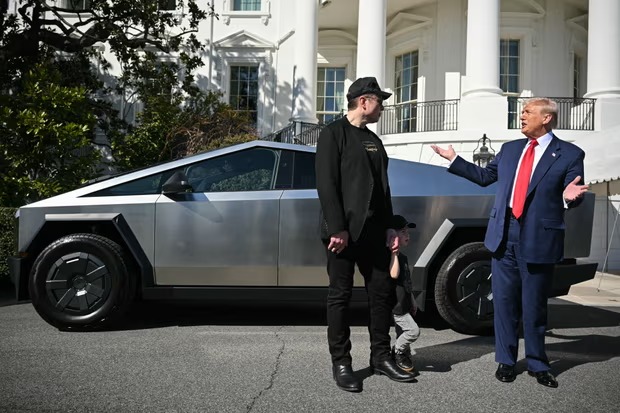
On March 11, 2025, President Trump turned the South Lawn into a stage for Tesla, praising the affordability of models like the scarlet Model Y alongside CEO Elon Musk, who invested $100 million in pro-Trump political groups. Days later, Commerce Secretary Howard Lutnick, whose firm Cantor Fitzgerald holds a $555 million stake in Tesla, urged viewers on Fox News to “buy Tesla,” despite regulating Musk’s SpaceX and Starlink businesses. Critics, including government ethics lawyer Kathleen Clark, call this a blatant conflict of interest, accusing the administration of “looting America.”
Qatari Jet Sparks Constitutional Debate
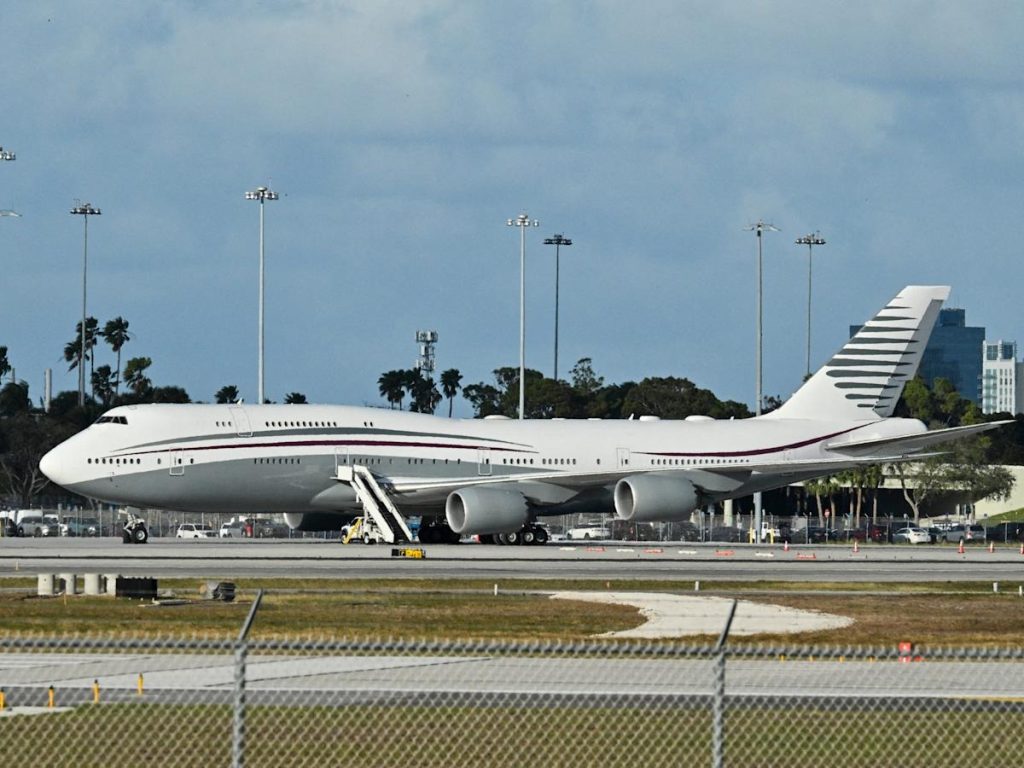
Trump’s acceptance of a $400 million luxury jet from Qatar, to serve as Air Force One and later transfer to his presidential library, has drawn widespread condemnation. Critics, including conservative commentator Ben Shapiro, argue it violates the Constitution’s emoluments clause, which prohibits presidents from accepting foreign gifts without congressional consent. The jet, dubbed a “palace in the sky,” symbolizes what Democratic Senator Chris Murphy calls a “pay-for-play administration.”
Trump Sons’ Business Ventures
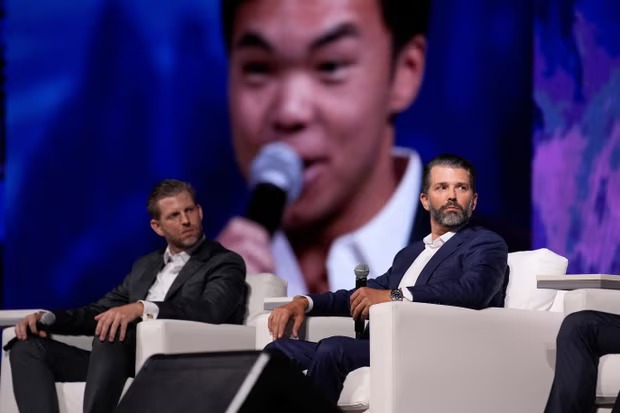
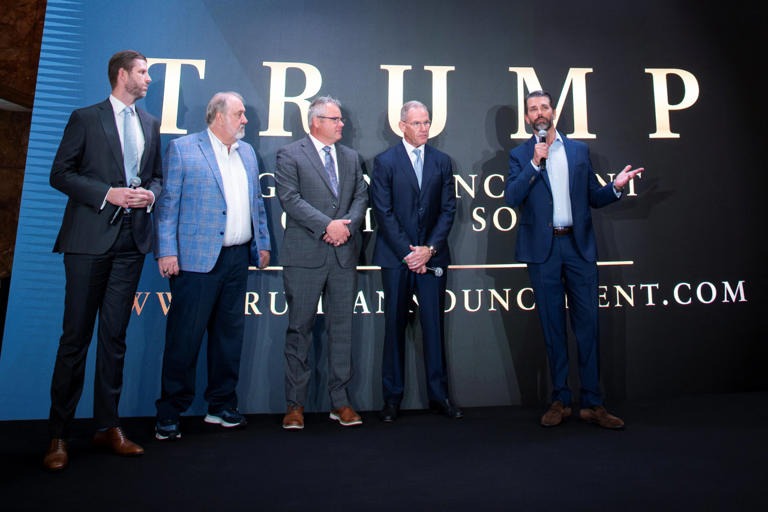
Adding to the ethical storm, Eric and Donald Trump Jr. launched Trump Mobile on June 16, 2025, a mobile phone service offering the “47 Plan” for $47.45, including unlimited talk, text, and data. The venture, operated by T1 Mobile LLC under a Trump Organization licensing deal, plans to release a U.S.-made T1 smartphone in August for $499. Eric Trump touted the phone as a boost for American jobs, though experts doubt full U.S. manufacturing due to reliance on foreign components. Critics, including Citizens for Responsibility and Ethics in Washington, warn that Trump Mobile could benefit from favorable telecom regulations under Trump’s FCC appointee, Brendan Carr, echoing broader concerns about the family profiting from the presidency.

Crypto and Real Estate Deals
The Trump family’s business empire extends to cryptocurrency and real estate. Trump and his sons launched meme coins ($Trump, $Melania) and a stablecoin through World Liberty Financial, bolstered by Trump’s pro-crypto policies, including a strategic bitcoin reserve and loosened regulations. Foreign investors, such as Chinese-born Justin Sun and UAE-linked MGX, poured millions into these ventures, raising fears of undisclosed foreign influence. Meanwhile, Eric Trump secured a $5 billion deal for a Trump-branded resort in Qatar, managed by a state-owned firm, just before Trump’s Middle East tour promoting U.S. investments.
Cabinet Conflicts and Broadband Shift
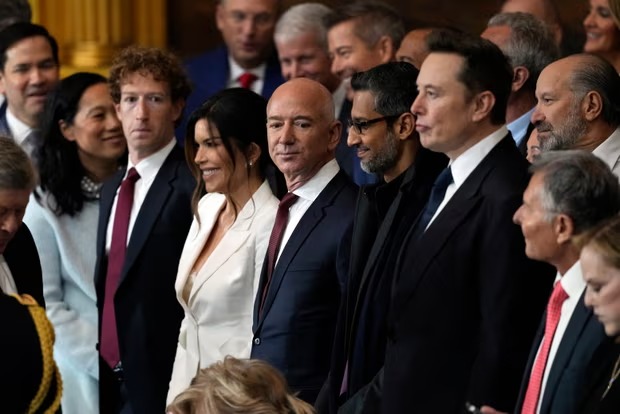
Ethical concerns extend to Trump’s cabinet. Lutnick, Robert F. Kennedy Jr., and Mehmet Oz transferred financial interests to their sons to sidestep conflict-of-interest laws, prompting questions about impartiality. Lutnick’s push to replace a $42.5 billion broadband program with satellite internet, potentially earning Musk’s Starlink $10-20 billion, could leave rural Trump supporters with slower, costlier internet, undermining his “drain the swamp” pledge.
Overwhelming Ethical Oversight
Experts like Norman Eisen of the Brookings Institution describe Trump’s administration as “un-American” for its open corruption. The rapid pace of deals—$5 million dinners with Trump, job offers for $239 million inaugural fund donors, and multimillion-dollar TV packages—has overwhelmed ethics watchdogs. Senator Murphy warns that such actions erode trust among the 77 million voters who backed Trump, particularly rural Americans expecting economic relief.
The White House defends Trump, stating, “There are no conflicts of interest. President Trump’s assets are in a trust managed by his children… He only acts in the best interests of the American public.” However, as Clark notes, the administration’s “flooding the zone” with conflicts risks lasting damage to public trust and governance.