News Desk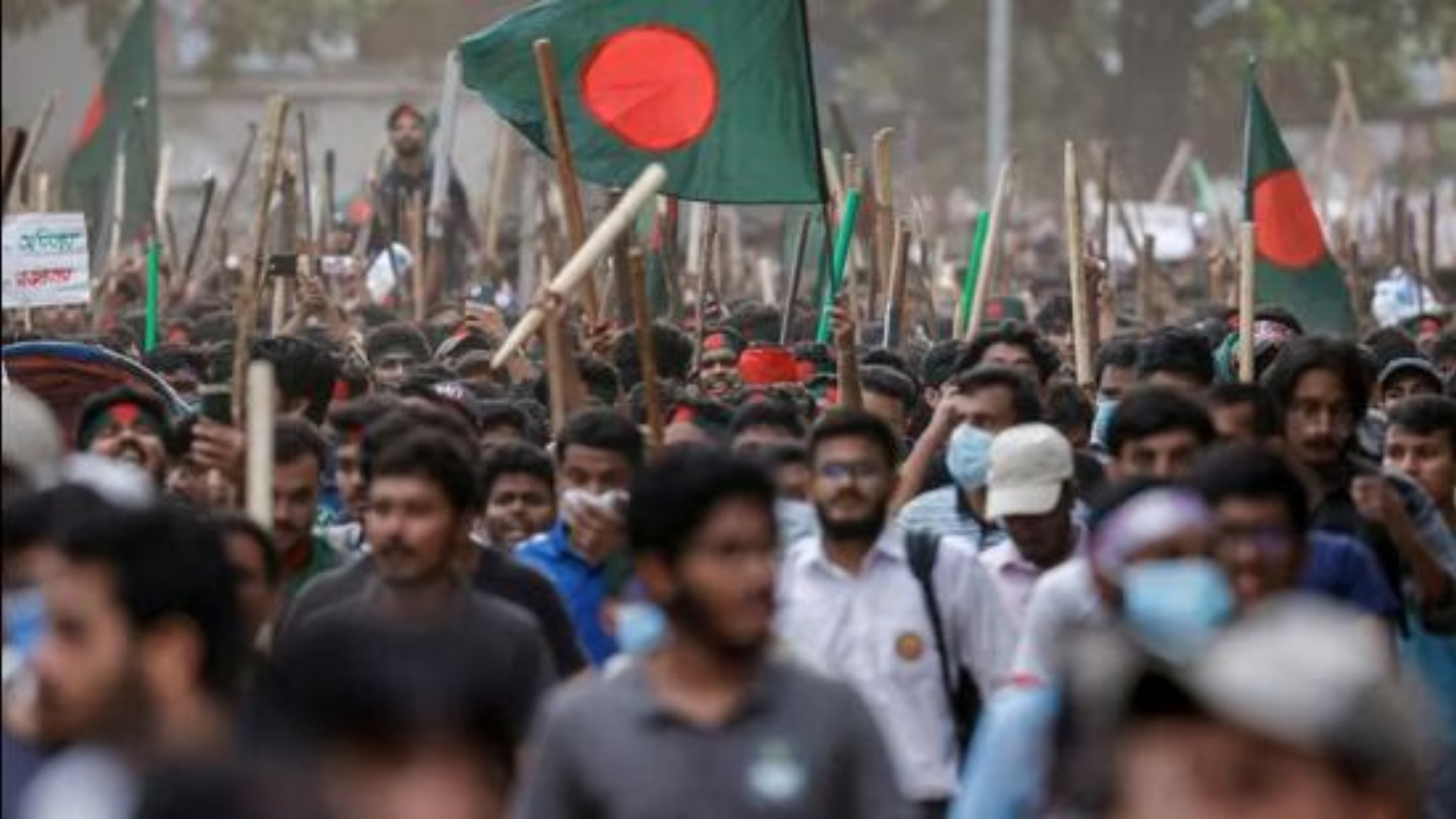
Bangladesh stands at a precarious moment. More than five months after Sheikh Hasina’s ouster, the interim government has yet to announce an election date, deepening political uncertainty. Instead of stabilizing the country, the new regime appears to be consolidating power, while Islamist factions, once suppressed, are regaining influence. Jamaat-e-Islami (JeI) and its student wing, Islami Chhatra Shibir (ICS) are resurging, pushing for an “Islamic welfare state” and challenging Bangladesh’s secular foundations.
The release of radical Islamist leaders and a spike in religious violence signal growing instability. Since August 5, minorities have faced lynchings, land grabs, and attacks on temples and Sufi shrines. The judicial system, once used to convict 1971 war criminals, is now being reshaped to accommodate the very forces it once opposed. Over 140 militants—including leaders from Ansar al-Islam and Jama’atul Mujahideen Bangladesh—have been freed, marking a significant shift in power.
Meanwhile, factionalism is eroding the interim government’s cohesion. The alliance that united against the Awami League is fracturing, with JeI and the Bangladesh Nationalist Party (BNP) clashing for dominance. Reports of extortion and political infighting further illustrate the country’s deepening instability.
With no clear roadmap, Bangladesh risks spiraling into extremism and authoritarian rule. The promise of a democratic transition is fading, while the international community remains largely silent. As Islamist groups expand their influence and law enforcement weakens, the threat of prolonged instability looms large.
The fall of Sheikh Hasina was not just a leadership change—it was a turning point. Whether Bangladesh reclaims its democratic and secular identity or succumbs to radicalization will shape its future for years to come.
A Nation Unraveling
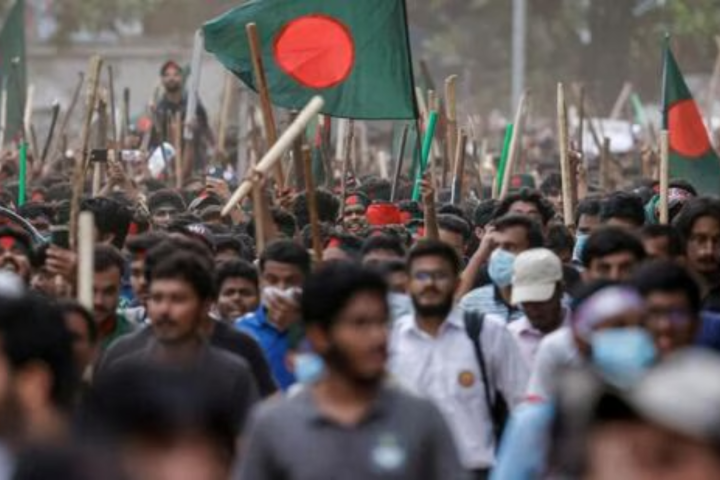
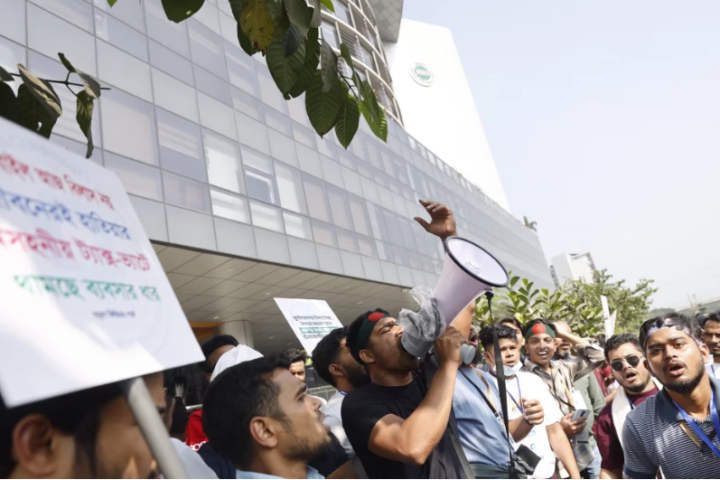
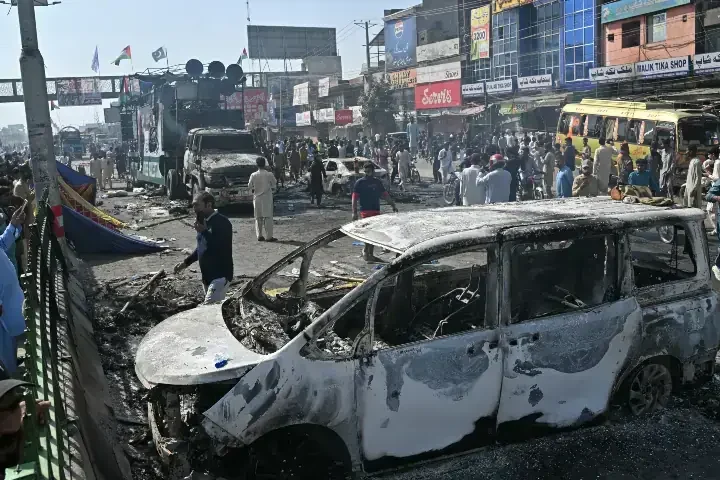
The protests that led to Hasina’s ouster began over public sector job quotas but quickly escalated into nationwide riots. Buildings were torched, political figures attacked, and even prisons stormed. By the time the Supreme Court revised the quota system on July 21, Islamist factions had already seized on public anger to push their agenda.
The consequences have been severe. According to a September 4 Health Ministry report, over 17,000 people were killed or injured between July 17 and August 5. The UN Office of the High Commissioner for Human Rights (OHCHR) reported at least 600 deaths, underscoring the scale of the violence.
The Rise of Islamist Forces
Hasina’s government had dismantled radical Islamist groups, banning JeI and ICS on July 31. Yet, one of the interim government’s first moves was lifting that ban, allowing JeI to reopen its Dhaka headquarters for the first time in 13 years. This decision has emboldened forces once aligned with Pakistan’s 1971 military regime.
Since August, extremist figures have been released from prison in alarming numbers. At least 144 militants—including leaders from Ansar al-Islam and Jama’atul Mujahideen Bangladesh—are now free. Religious minorities have faced escalating violence, with Hindu communities targeted in 48 districts, their temples desecrated, and their properties seized.
Rohingya Crisis and Border Security
As Bangladesh struggles internally, its borders remain exposed. Renewed violence in Myanmar’s Rakhine State has driven 60,000 more Rohingya refugees into Bangladesh between October and December 2024. Criminal networks within refugee camps, including the Arakan Rohingya Salvation Army (ARSA), are growing more violent, raising security concerns.
India’s Role: A Balancing Act
For India, Bangladesh’s crisis is both a strategic challenge and an opportunity. Hasina was a key ally in curbing regional extremism and maintaining stability. With her removal, India must tread carefully—providing refuge to Hasina while avoiding direct intervention that could provoke the military-backed regime. However, securing its eastern border and containing extremist spillover remain top priorities.