
 News Desk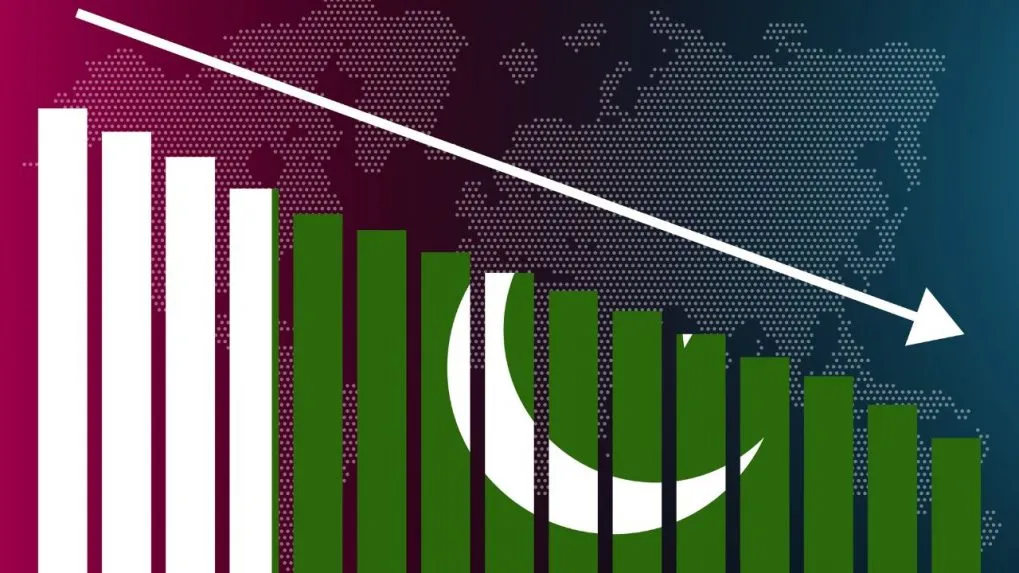
ISLAMABAD — Pakistan’s inflation rate has plummeted, but economic stability has come at a steep cost: stagnant growth, rising unemployment, and falling real wages.
In December 2024, inflation stood at 4.1%, a sharp drop from 29.3% a year earlier. Yet, GDP growth averaged just 2.6% over the last five years—barely outpacing population growth—leaving real per capita income largely unchanged.
The unemployment rate is estimated at 9.4%, the highest in years, with youth and female workers facing even higher joblessness. Meanwhile, real wages have fallen by 20% since 2021, failing to keep pace with rising prices.
Stats highlight the economic strain:
- Inflation Rate: 4.1% in December 2024 (down from 29.3% in December 2023).
- Average GDP Growth (2018-2023): 2.6% (just above population growth rate).
- Unemployment Rate: Estimated at 9.4% in 2024.
- Female unemployment: Above 13%.
- Youth unemployment: Near 15%.
- Labor Force: Approximately 80 million; 2 million new jobs needed annually to absorb workforce.
- Real Wages (Construction Workers): Drop of 20% from 2021 to 2024.
- Poverty Rate: Over 41% of the population, with nearly 100 million living below the poverty line.
- GDP Growth (Q1 2024): Less than 1%, with negative growth in the large-scale sector.
Pakistan’s economic slowdown stems from tight monetary policies, import restrictions, and spending cuts, exacerbated by external shocks like COVID-19 and the devastating 2022 floods. With growth in the first quarter of 2024-25 at less than 1%, experts warn that Pakistan must rethink its balance between stabilization and economic expansion.









