
 News Desk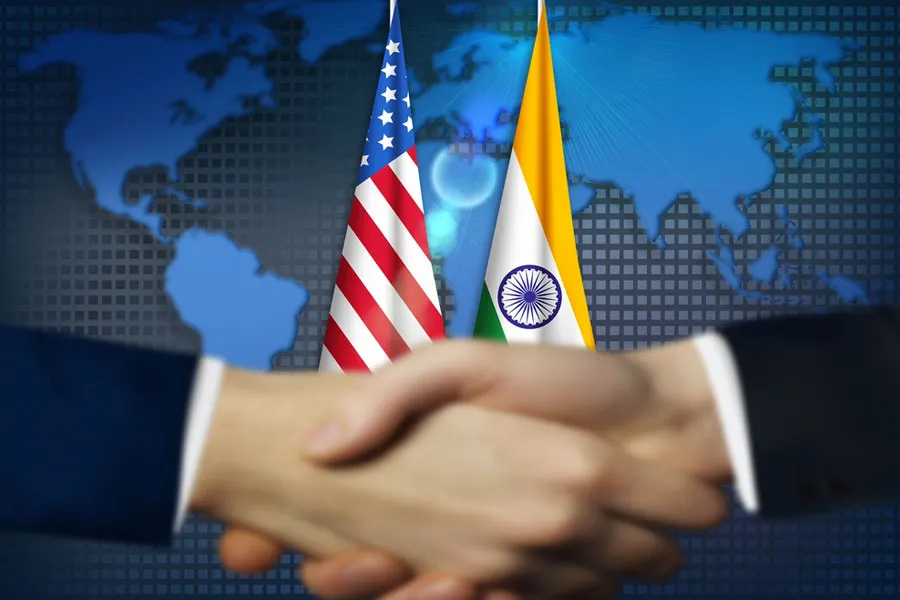
In a recent opinion piece for NDTV, Tara Kartha, a former director of the National Security Council Secretariat, raises crucial questions as Prime Minister Narendra Modi gears up for his visit to Washington on February 12, 2025. This visit comes with little preparation time—rare for such high-level diplomatic encounters—and suggests that while optics may be in play, substance may be lacking.
Kartha notes the unusual timing and hurried nature of the preparations, stating, “That’s unusual. Normally, an event of this magnitude would take months of preparation by both sides.” This hurried approach may overshadow meaningful dialogue, raising skepticism about what the visit can actually achieve.
The geopolitical landscape is notably tense, particularly with the specter of U.S. tariffs targeting the BRICS nations, which include India. President Trump has positioned America against this bloc, urging them to “abandon any talk of moving away from the dollar.” As Kartha highlights, such pressures could invite “American retribution,” especially in the evolving financial landscape where nearly a fifth of oil trades were reportedly conducted outside the U.S. dollar in 2023.
India’s involvement in the BRICS grouping could enhance its position within this coalition, as it seeks to balance relationships with both the U.S. and its fellow BRICS nations. Kartha draws attention to India’s External Affairs Minister S. Jaishankar denying any governmental strategy toward de-dollarization, indicating that India aims to align itself with U.S. interests, at least for now. However, aligning too closely could risk alienating other BRICS partners and detracting from its leadership role within the group.
Moreover, there is a pressing need for India to navigate the complexities of illegal immigration, particularly as it contributes to the fraught domestic agenda in the U.S. Kartha references Jaishankar’s firm stand on promoting “legal mobility” while confronting the issue of illegal migration. The Indian government recently confirmed the repatriation of 18,000 identified migrants, showcasing a commitment to combat illegal immigration issues while attempting to maintain diplomatic goodwill with the U.S.
Economic relations are also under the spotlight. Modi’s recent budget was strategically crafted to mitigate U.S. tariff threats by slashing peak tariff rates. However, while Kartha acknowledges these moves as “good optics,” she emphasizes that they must be accompanied by genuine policy change within trade negotiations.
China’s increasing assertiveness looms large in U.S.-India relations, prompting calls for greater Indian participation in countering its influence. Kartha states that “a rising China will not be tolerated,” suggesting the need for India to step up as a key ally in this geopolitical landscape. The proposed U.S.-India Defence Cooperation Act 2024 could position India on par with NATO allies regarding defense procurement, yet unresolved questions about technology transfer could undermine India’s defense industry growth.
A critical undercurrent persists: Will the Trump administration genuinely view a strong India as beneficial for American interests? “The question now is, is the US President convinced that a strong India is in America’s interests?” Kartha probes, highlighting that the diplomatic path ahead may hinge on this pivotal recognition.
As Modi embarks on this critical diplomatic mission, much will depend on whether his visit transcends ceremonial gestures and fosters a robust partnership capable of navigating the intricate balance of great power politics. For the U.S.-India partnership to thrive, both nations must go beyond the superficial trappings of diplomacy, focusing instead on meaningful engagement that addresses their mutual strategic interests in an increasingly competitive global arena.









