News Desk
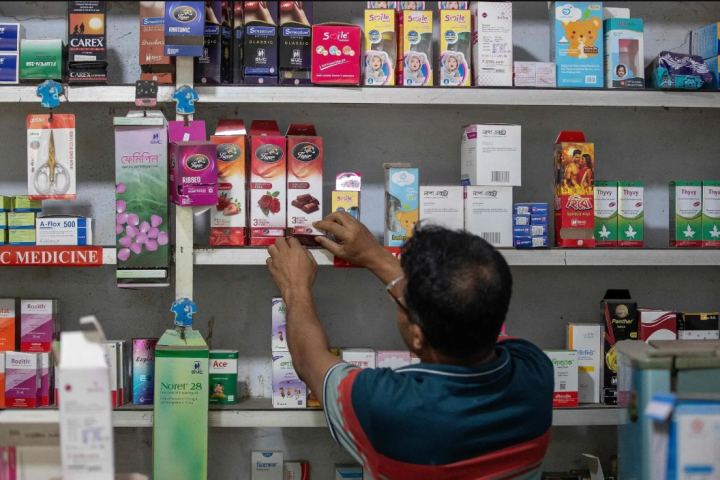
As India cements its status as a global manufacturing powerhouse, South Africa finds itself in a position to leverage this economic dynamism to its advantage. Trade between the two nations is already substantial, with South Africa ranking as India’s second-largest trading partner in sub-Saharan Africa after Nigeria. But the current model—where South Africa primarily exports raw minerals such as gold, coal, and manganese ore while importing Indian-made motor vehicles, pharmaceuticals, and textiles—may not be sustainable in the long run.
For South Africa, the challenge is clear: it must move beyond the role of raw material supplier and develop an industrial base that can process these resources domestically. India, with its expertise in manufacturing and technology, offers an avenue for such industrial growth. By partnering with India, South Africa could develop its own manufacturing capacities, reducing dependency on finished imports and creating more value-added industries within its borders.
Both countries share historical parallels as former British colonies that fought for independence, with South Africa’s anti-apartheid struggle drawing strong support from India. This deep-rooted relationship, combined with their membership in BRICS, provides a strategic foundation for closer economic collaboration. The expansion of BRICS to include new members such as Egypt, Iran, Ethiopia, and the UAE has further elevated the group’s influence, making it an increasingly vital bloc in global trade dynamics.
Negotiations for a preferential trade agreement between India and the Southern African Customs Union, which includes South Africa, signal progress toward reducing trade barriers. If successful, such an agreement could lower tariffs, improve market access, and create new investment opportunities in critical sectors such as pharmaceuticals, renewable energy, and technology.
The technology sector, in particular, stands out as a key area of collaboration. Indian nationals have made significant inroads in Silicon Valley, leading major firms like Google and YouTube. This expertise, coupled with India’s growing artificial intelligence and digital economy sectors, could be harnessed to drive technological advancement in South Africa.
Moreover, South Africa’s upcoming role as host of the G20 Summit in 2025 follows India’s successful presidency in 2023, during which it played a pivotal role in securing the African Union’s full membership in the group. This diplomatic momentum provides an opportunity for both nations to deepen economic cooperation and shape the agenda for the Global South.
Historically, India was one of the earliest and most vocal critics of apartheid, withdrawing its High Commissioner from South Africa in 1946 in protest of segregation policies. Figures like Jawaharlal Nehru championed the condemnation of racial policies at the United Nations. Today, with South Africa home to the largest population of Indian descent on the continent, cultural and historical ties further strengthen the case for enhanced collaboration.
For South Africa, aligning more closely with India is not just a matter of economic pragmatism—it is a strategic necessity. The nation must capitalize on India’s industrial capabilities to transform its economic landscape. A stronger trade partnership could turn South Africa from a resource supplier into a manufacturing hub, ensuring a more equitable and sustainable economic future.