News Desk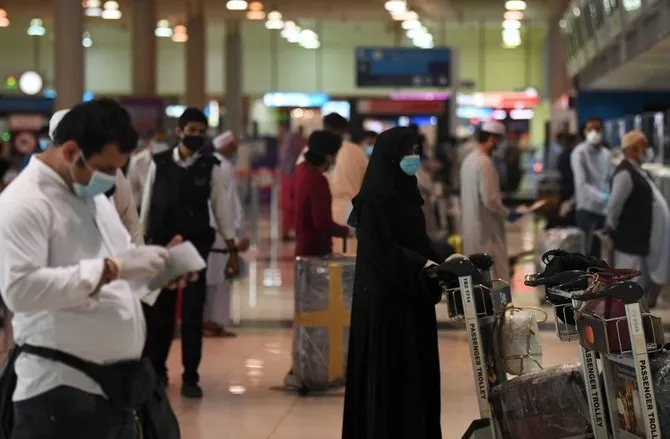
On January 12, 2025, the Saudi Gazette dropped a story that landed like a thud: police in Makkah had rounded up ten Pakistani nationals accused of pulling off 31 financial scams, pocketing over SR 2.8 million—roughly $750,000—by hawking counterfeit gold bars. It’s a flashy crime, the kind that makes you wince, but in Saudi Arabia and its Gulf neighbors, it’s not raising many eyebrows anymore. These days, Pakistani names keep showing up in police blotters, and the region’s patience is wearing thin.
The Gulf’s long been a beacon for Pakistanis—millions have flocked there, drawn by steady work and the chance to send money home. Those remittances are a lifeline, keeping Pakistan’s economy from flatlining. But something’s changed. From petty theft to drug smuggling, a wave of criminal activity tied to Pakistani expatriates has cast a shadow over their community, fraying relations with host countries and triggering a clampdown that’s hard to ignore.
Saudi Arabia’s been ground zero lately. Last May, the Saudi Press Agency reported a bust in Mecca, where cops nabbed a handful of Pakistanis moving methamphetamine and heroin. A month earlier, in Riyadh, two Pakistani residents got caught with 13,000 narcotic pills stashed in a house. Authorities say it’s a pattern—Pakistani-run trafficking rings threading through Mecca, Riyadh, and beyond. And it’s not just drugs. Police logs list everything from prostitution rackets to stolen goods and cash funneled through backdoor hawala networks.
The stats hit hard. As of February 2024, Pakistan’s Foreign Ministry counted 23,506 of its citizens behind bars worldwide, with three-quarters rotting in UAE and Saudi jails. The Justice Project Pakistan says 188 Pakistanis were executed abroad between 2010 and 2024—most, 176, in Saudi Arabia. That’s a heavy toll for a diaspora of 10.7 million, with the Gulf as its beating heart.
Over in the UAE, the mood’s souring too. In July, The Dawn quoted a Pakistani official telling senators that 50% of crimes by foreign workers there trace back to Pakistanis—think robbery, fake cash, even snapping pics of women without permission in Dubai. By December, the UAE rolled out a new hurdle: no Pakistani travels there without a police check. Job visas? They’re quietly fading away.
Then there’s the begging. During Hajj and Umrah, Saudi cops scoop up droves of Pakistani beggars working the holy cities—thousands, year after year. It’s a hustle that preys on piety and drags Pakistan’s name through the mud. Bigger headaches loom too: Tramadol trafficking linked to groups like ISIS keeps surfacing, with hauls like the 461 kilograms seized in Ethiopia in 2022 pointing to a stubborn problem.
The blowback’s piling up. On January 10, First Post clocked 258 Pakistanis deported from seven countries—232 from Saudi Arabia alone, 21 from the UAE. Some were peddling drugs, others begging or working off the books. It’s a trickle turning into a flood, and it’s hammering Pakistan’s bottom line. Gulf remittances—billions yearly—keep the lights on back home. The State Bank of Pakistan’s already sweating over reserves; this could break the bank.
Why’s this happening? Desperation’s a start—Pakistan’s economy is a wreck, and jobs are scarce. Add in spotty policing and a government too tangled in its own mess to act, and you’ve got a recipe for trouble. Gulf states aren’t waiting for Islamabad to figure it out—they’re locking doors and rewriting rules. For Pakistanis just trying to scrape by, the squeeze is real.
This isn’t just a PR hit—it’s a slow choke on a country that can’t take much more. Pakistan needs a fix: root out the bad actors, lean on Gulf partners, and face the rot at home. Without it, the cash stops flowing, the welcome wears out, and the future looks bleaker than ever. The clock’s ticking.