News Desk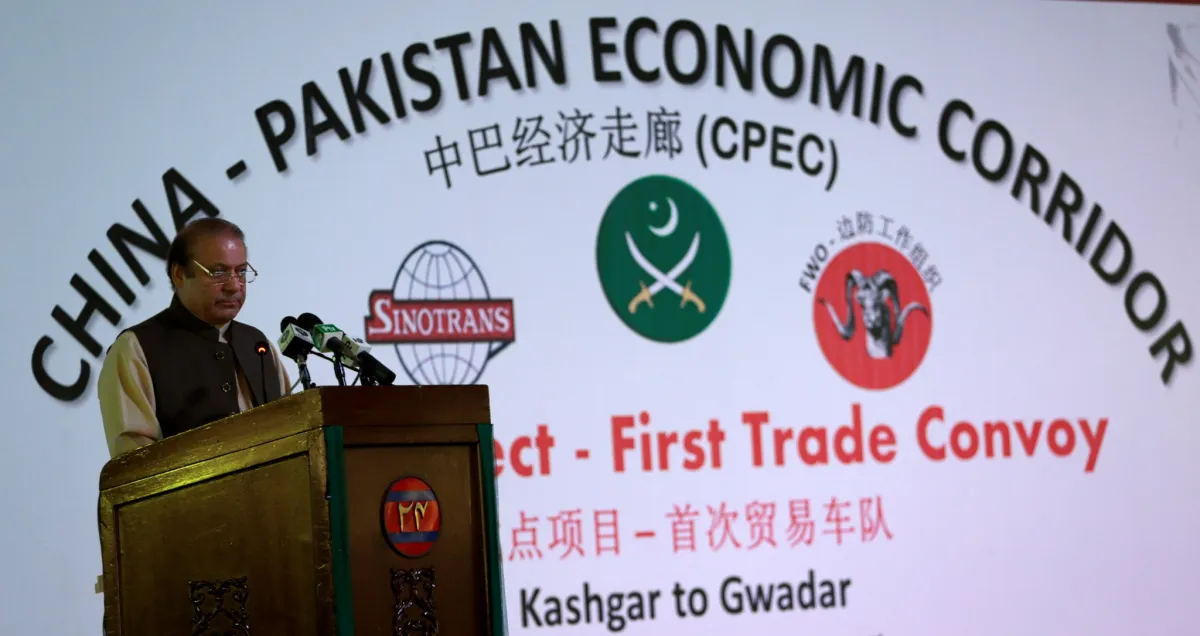
QUETTA, Pakistan — In the arid expanse of Balochistan, where jagged mountains guard a treasure trove of copper, gold, and gas, the air is thick with grievance. This province, sprawling across 44% of Pakistan’s landmass, is a paradox: rich in resources, yet home to some of the nation’s poorest people—12 million souls scraping by on a per capita income of $800 a year, half the national average.
The China-Pakistan Economic Corridor (CPEC), a $62 billion behemoth, promised to rewrite that story, channeling Balochistan’s raw materials into a prosperity pipeline. Instead, it’s a heist unfolding in plain sight—wealth siphoned off to China and Pakistan’s military elite, leaving locals with dust and despair. The unrest is erupting—pipelines torched, convoys ambushed—and the systematic silencing of dissent can no longer be ignored.
The numbers lay bare the plunder. At Saindak Copper-Gold Mine, operated by China’s Metallurgical Corporation since 2002, 15,000 tons of copper and 1.5 tons of gold are extracted yearly—over $400 million in value, according to Pakistan’s Ministry of Energy.
Balochistan’s share? A measly 2% royalty, about $8 million, while the federal government in Islamabad and Beijing carve up the rest. Reko Diq, a copper-gold deposit among the world’s largest, relaunched in 2022 with a $5.9 billion Barrick Gold deal, but locals see no windfall—schools stay ramshackle, roads unpaved. Then there’s Sui gas, fueling Punjab’s factories and homes since the 1950s; a 2023 government survey found 60% of Balochistan households still cook over open fires. “They take our wealth and leave us choking on promises,” Dad Karim, a 70-year-old Gwadar fisherman, told me last month, his voice raspy with decades of salt air and bitterness.
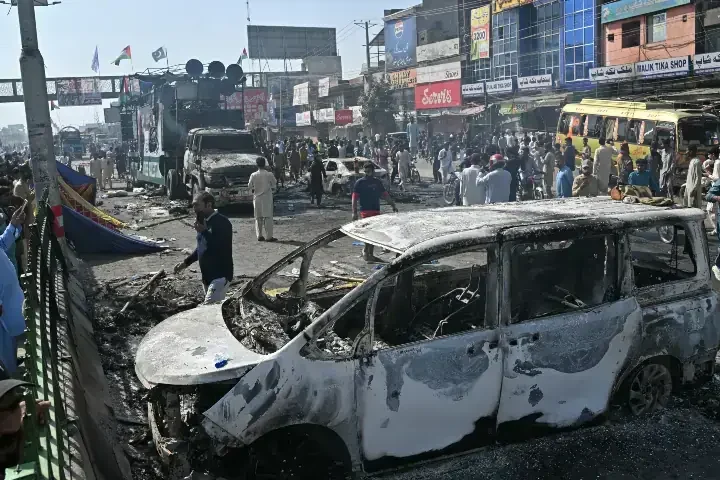
The anger’s spilling into violence. Baloch separatists, long simmering over this theft, have turned CPEC into a target—14 Chinese workers killed since 2017, per security tallies, and counting. Just last week, a blast near Ormara wounded three guards escorting a CPEC convoy; in December, a pipeline in Dera Bugti went up in flames. Pakistan’s military response is ruthless: cordons, raids, and a chilling wave of disappearances.
Human Rights Watch documented 1,200 “missing persons” cases in 2024—mostly Baloch activists, students, poets—snatched by security forces, their fates unknown. Families camp outside Quetta’s press club, clutching photos of the vanished, but the state shrugs, blaming “foreign hands.” The rights trampled here—freedom, dignity, life itself—cannot be swept under the rug.
Analysts see a grim symbiosis. “CPEC’s a colonial playbook,” says Ammar Habib Khan, a Pakistani economist who’s watched the corridor’s promises curdle. “China extracts resources for its factories, Pakistan’s military gets richer policing it, and Balochistan’s left hollowed out.”
AidData’s research backs him up: 80% of CPEC’s energy and mining output feeds export markets—think Chinese smelters, not local grids—while jobs go to Punjabis or imported Chinese crews. In Gwadar, where the port and airport gleam, locals like Karim say they’re lucky to land day-labor gigs. The profits flow east to Beijing and north to Rawalpindi’s generals, who’ve pocketed billions in security contracts since CPEC’s 2013 launch, per a 2022 Transparency International report.
Pakistan’s human rights record, already a stain—think blasphemy laws, journalist murders—sinks lower here. The military’s iron fist, backed by China’s calls for “stability,” has turned Balochistan into an open-air prison. Activists like Karima Baloch, exiled and later found dead in Canada in 2020 under murky circumstances, are the tip of a chilling iceberg. “This isn’t security—it’s suppression,” Khan told me over a crackling line from Islamabad. “The state’s complicit in a double robbery: resources for China, power for itself.” China, meanwhile, reaps Gwadar’s strategic perch and Reko Diq’s riches, its “all-weather friendship” a veneer for exploitation.
The government’s line—prosperity’s coming, just wait—rings hollow against Balochistan’s reality: 70% literacy among men, 30% for women, per a 2023 UNESCO survey, and infant mortality double the national rate. CPEC’s gleaming projects mock that misery, monuments to a wealth that never stays.
Beijing pushes for more troops; Islamabad obliges, digging the debt hole deeper—$24.7 billion owed to China by 2021, now a bigger slice of the $124.5 billion total. It’s a Band-Aid on a hemorrhage. Until Baloch rights—to their land, their voice, their lives—are honored, the unrest will burn. For now, the winners are clear: China’s Belt and Road rolls on, Pakistan’s brass cashes in, and Balochistan pays the price in blood and silence.