 News Desk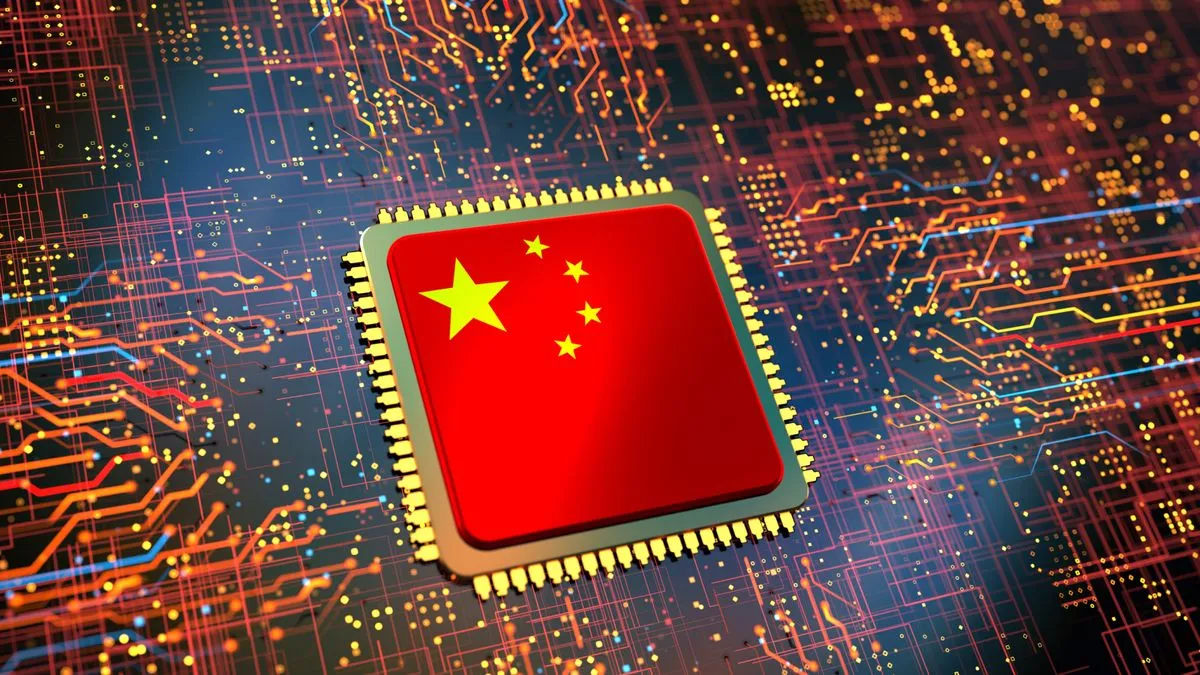
BEIJING — China’s government is tightening its grip on the country’s artificial intelligence pioneers, warning them against traveling to the United States amid fears of espionage and diplomatic tit-for-tat, according to a report Friday in The Wall Street Journal. The directive, which targets top AI entrepreneurs and researchers, reflects Beijing’s growing anxiety over its technological edge in a tense rivalry with Washington.
The orders come straight from the top, with authorities reportedly worried that Chinese experts might spill sensitive details about the nation’s AI advancements while abroad. There’s also a more immediate concern: that these executives could be snatched up and held as pawns in the escalating U.S.-China standoff.
The Journal pointed to the 2018 arrest of Huawei’s Meng Wanzhou in Canada—on a U.S. extradition request—as a precedent that still haunts Beijing’s calculations.
This isn’t just paranoia. The two powers are neck-and-neck in a global AI arms race, and China’s not playing coy about its ambitions.
Take DeepSeek, a Chinese startup that’s been making waves with AI models it boasts can go toe-to-toe with American heavyweights like OpenAI and Google—at a fraction of the cost. That kind of swagger has only sharpened the stakes.
On Friday, President Xi Jinping doubled down, telling a room full of Communist Party brass that China’s security—especially in cybersecurity and AI—needs to be ironclad.
“We should give top priority to defending the country’s political security,” he said, according to state media.
It’s the kind of language that signals a clampdown, and it’s not hard to see why. Just last month, Xi huddled with some of the biggest names in Chinese tech, pushing them to flex their muscles and lean into the country’s system and scale.
For those AI leaders still itching to jet off, the rules are clear: report your itinerary before you go, and when you’re back, spill every detail—who you saw, what you said.
The Journal noted that DeepSeek’s founder, Liang Wenfeng, skipped an AI summit in Paris last month after getting the memo. Another big player in China’s AI scene scrapped a U.S. trip last year under similar pressure.
It’s a stark reminder of how Beijing sees its tech talent: as both a national asset and a potential liability. The U.S., meanwhile, has its own playbook—export controls, sanctions, and a keen eye on Chinese firms. Neither side’s blinking.