News Desk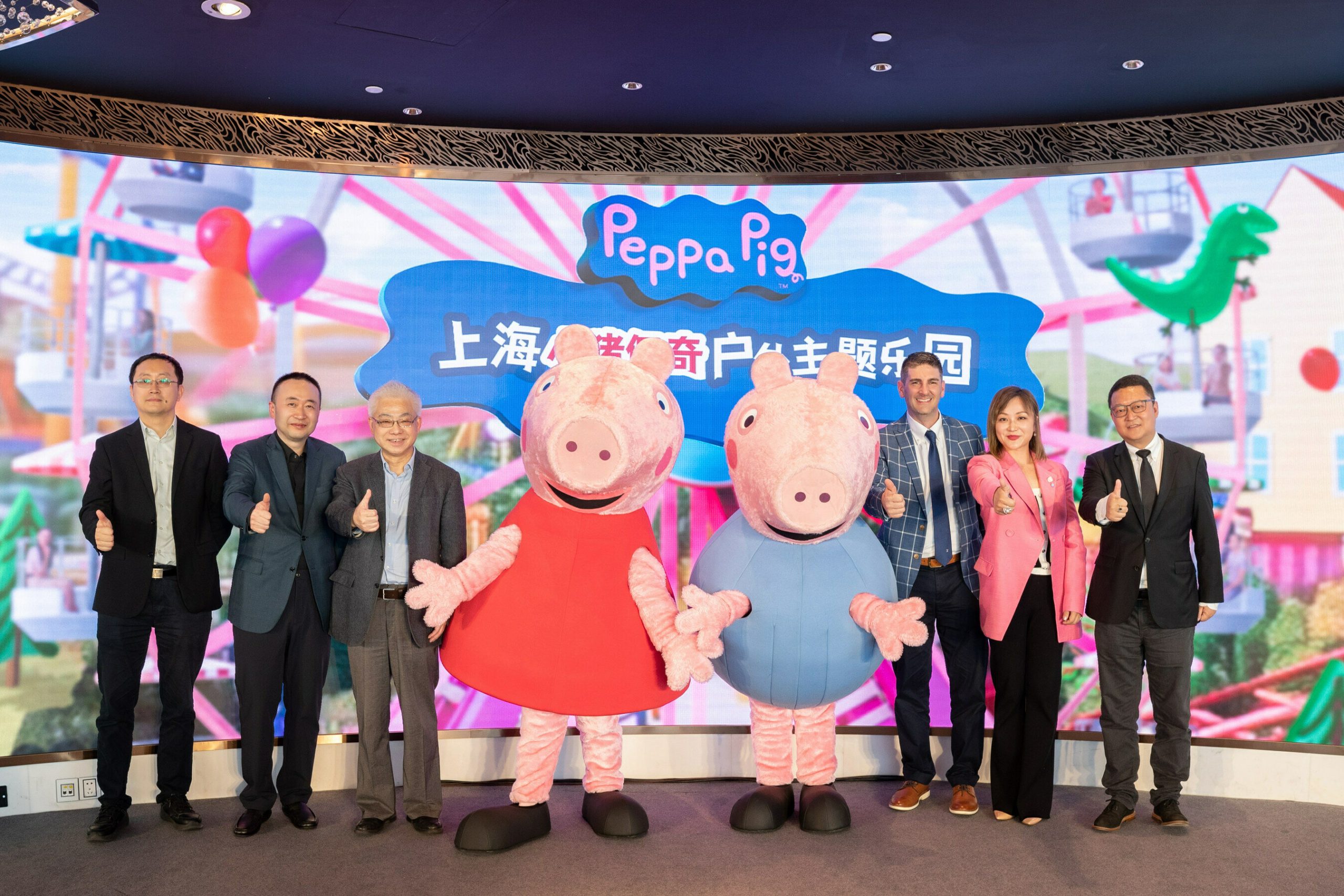
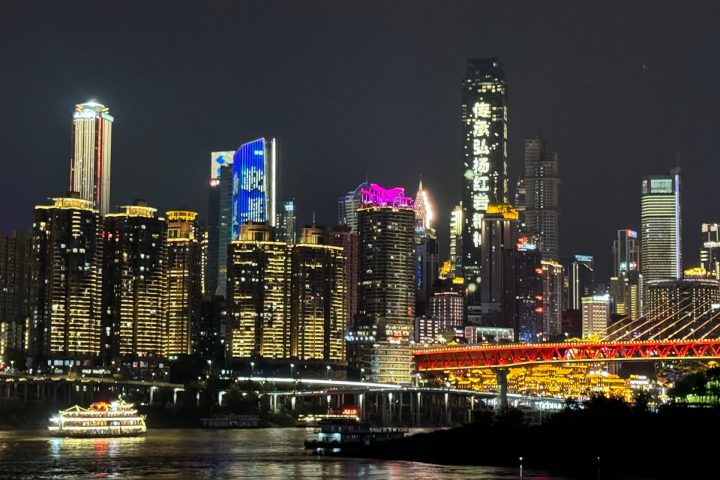
SHANGHAI — Peppa Pig is coming to town. So are mega-events and a shiny three-year plan to drag foreign tourists back to this smog-choked metropolis. Unveiled last month, Shanghai’s strategy—billed as a bold pivot from its tired old landmarks—promises theme parks, dazzling spectacles, and a “premier inbound tourism gateway” by 2027.
The world’s largest Peppa Pig outdoor park will sprawl here, alongside Legoland and Disney’s sprawl, all part of a $69 billion bet to polish China’s image. But beneath the glitter, it’s a desperate grab by a regime scrambling to prop up a faltering economy—and paper over its own ugly truths.
China’s rulers want you to see Shanghai as a playground, not a pawn. The plan, trumpeted by the municipal government, leans hard on family-friendly bait—think cartoon pigs and roller coasters—to lure outsiders who’ve shunned the country since its Covid chokehold. Last year’s 4.56 million foreign visitors sound impressive, double 2023’s haul, but it’s a fraction of pre-pandemic peaks.
Beijing’s loosening visa rules—10-day freebies for 54 nations—helped, sure. Yet the real story isn’t the numbers; it’s the control.
Every tourist dollar funneled into Shanghai’s coffers is a lifeline for a Communist Party facing empty factories, a real estate bust, and youth who’d rather “lie flat” than toil.
The pitch is slick. Gone are the days of peddling just the Bund’s colonial facades or Yuyuan Garden’s quaint charm. Now it’s about “modern experiences”—a $331 million Peppa Pig extravaganza on Chongming Island, Legoland’s bricks clicking into place by mid-2025, and mega-events to keep the selfie sticks clicking.
“Shanghai blends East and West,” gushes Zhang Chen of travel platform Fliggy, as if culture’s a commodity to slap on a brochure. But foreigners aren’t blind. A French tourist at Jingan Temple last week scoffed at Disneyland’s pull: “I came for China, not Paris with pandas.” The glitz feels forced—a distraction from the surveillance cameras tracking every step.
This isn’t tourism; it’s propaganda with a price tag. China’s leaders know the world’s watching their economic stumble—GDP growth limping at 4.7 percent last year, the slowest in decades barring pandemic chaos. Shanghai’s plan reeks of a regime desperate to shift the narrative, dangling cartoon pigs while it tightens screws at home. Dissidents vanish, Xinjiang festers, and Hong Kong’s freedoms rot—yet here’s Shanghai, grinning like nothing’s wrong. The irony’s thick: a city once carved up by foreign powers now peddles itself to them, all while Beijing’s grip strangles any real openness.
The cracks show. Smugglers still slip through borders—Nepal just nabbed $1.9 million headed north, hinting at China’s underworld flex. Air quality chokes lungs; the skyline’s a haze most days.
And those theme parks? They’re walled gardens—safe zones where foreigners can spend without seeing the mess beyond. “Diversification in visitor profiles,” says Subramania Bhatt of China Trading Desk, but it’s a curated fantasy. Families might flock to Peppa, but they won’t spot the labor camps or censored web. It’s a dazzling con—China’s betting big on amusement to mask its authoritarian core. The rides might spin, but the truth doesn’t budge.