News Desk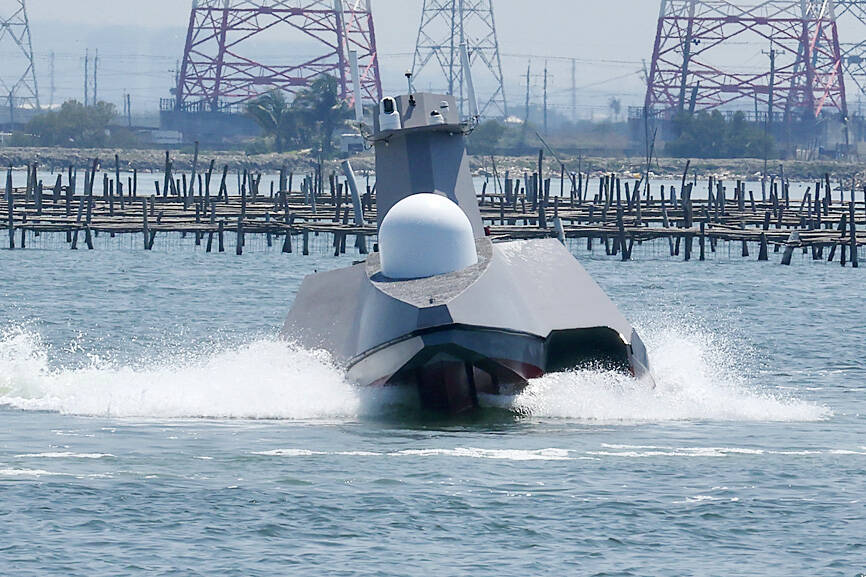
TAIPEI, Taiwan — On a sunlit dock in Kaohsiung on Friday, President William Lai stood before a skeletal hull and a crowd of shipbuilders, heralding a new chapter in Taiwan’s defense saga. Presiding over the keel-laying ceremony for the first of six homegrown cruisers, Lai reaffirmed his government’s pledge to fund indigenous shipbuilding and aircraft programs. “These are key to strengthening our self-defense capabilities,” he said, his voice cutting through the clang of steel. For an island facing China’s relentless shadow across the Taiwan Strait, the moment was more than symbolic—it was a defiant step toward autonomy.
Since assuming office in May 2024, Lai, a steadfast leader of the independence-minded Democratic Progressive Party (DPP), has turbocharged Taiwan’s military modernization. His administration is pouring resources into practical training, structural reform, and now, a bolstered domestic defense industry. The cruisers, ordered in 2021 under former President Tsai Ing-wen at a cost of NT$12.9 billion ($390 million), are the latest fruit of that vision. Designed for the Coast Guard Administration (CGA), these long-range vessels will patrol international waters, combat illegal fishing, and extend Taiwan’s maritime reach—a direct counter to Beijing’s “gray zone” harassment tactics, from sand dredgers to fishing fleets probing Taiwan’s borders.
The first cruiser, its keel laid yesterday, is a marvel of versatility. At 100 meters long and displacing up to 8,000 tonnes when fully loaded, it boasts a diesel-electric propulsion system capable of circling Taiwan 30 times per deployment. “This extended range lets us operate further afield,” Lai noted. Its rear deck can house a multipurpose boat, an attack craft, or a drone, depending on the mission—be it maritime patrol, supply runs to outlying islands, or marine rescue. Armed with water cannons, high-pressure guns, and the locally developed XTR-102 20mm remote weapon system, it’s a floating Swiss Army knife, ready to tow larger patrol ships or haul modular cargo.
Lai’s remarks carried a sharp edge. “Our coast guard personnel are defending our maritime borders against the Chinese Communist Party’s incessant provocations,” he said, urging them to stay vigilant—and safe. It’s a nod to the daily grind of countering China’s hybrid warfare, which stops short of open conflict but frays nerves and tests resolve. With construction underway since last year, CSBC Taiwan, the state-backed shipbuilder, aims to launch the vessel by October, with delivery set for August 2026 after rigorous sea trials. Chairman Huang Cheng-hung beamed with pride: “This is Taiwan building for Taiwan.”
This push dovetails with Lai’s broader military overhaul. On Wednesday, he promoted six armed forces officers in Taipei, vowing to streamline the military’s combat, defense, and reserve units through regular joint exercises. Thursday brought civil defense drills under a societal resilience committee he launched in 2024, watched by envoys from 13 nations—a clear nod to Ukraine’s playbook of whole-of-society resistance. Lai is amplifying Tsai’s legacy: she restored one-year conscription in 2022, hiked defense spending to 2.5 percent of GDP ($19 billion this year), and bet big on asymmetric warfare—Javelins, drones, and now, ships like these.
The numbers hint at success. Of last year’s 6,956 conscripts, 14.2 percent—nearly 1,000—stayed on as volunteers, a sign that Lai’s focus on meaningful training is resonating. “It’s about morale as much as hardware,” said Lin Mei-ling, a defense scholar at Tamkang University. “People need to feel they’re part of something real.” Yet hurdles loom. Underfunding has left gaps in infrastructure, bureaucracy drags like an anchor, and public enthusiasm for service wavers. Building ships and integrating forces demand not just cash but a cultural shift—breaking old habits to match new threats.
Lai has the political muscle to push forward. With bipartisan backing and a deepening U.S. partnership—seen in joint drills and arms sales—he’s steering Taiwan toward self-reliance. China, predictably, bristles. Xi Jinping’s regime sees Lai’s moves as provocations, its warplanes and ships probing ever closer. For Taiwan’s 23 million, caught in this geopolitical vise, Lai’s wager is clear: strength through readiness. As he told the Kaohsiung crowd, gesturing to the cruiser’s frame, “This is how we safeguard our democratic way of life.” In a tense strait, that frame may soon be tested.