News Desk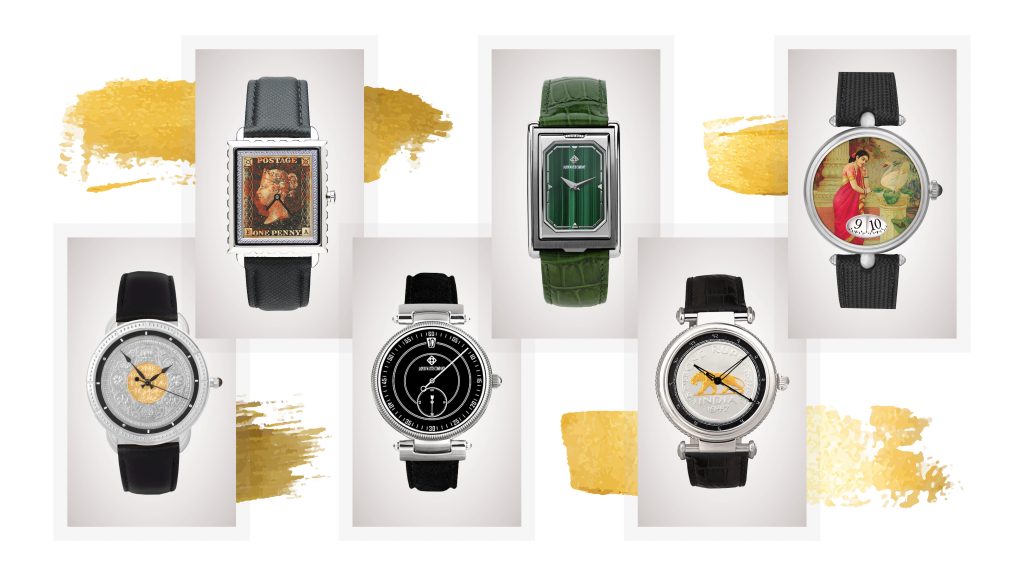
MUMBAI — In the heart of Mumbai’s glittering Jio World Plaza, a temple to luxury that opened its doors in 2023, time is ticking in a new direction. Here, boutiques for Jaeger-LeCoultre, IWC Schaffhausen, and Bvlgari gleam with Swiss precision, their shelves lined with watches that whisper wealth and sophistication. Just a few years ago, such a scene might have seemed improbable in a country better known for affordable timekeepers. Today, it’s a testament to India’s burgeoning love affair with luxury watches—and the nation’s ambition to craft its own.
India, long a powerhouse in jewelry and textiles, is stepping onto the global stage of horology with a dual narrative: a thriving market hungry for the world’s finest timepieces and a nascent but spirited effort to create its own. As the country’s economy surges—projected to grow 6.8 percent in 2024, according to the International Monetary Fund—and its millionaire class swells past 800,000, luxury watches have become more than accessories. They’re symbols of a new India: confident, affluent, and ready to claim its place in the world of high-end craftsmanship.
Walk through Delhi’s DLF Emporio mall or Bangalore’s UB City, and the evidence is unmistakable. Rolex, Patek Philippe, and Audemars Piguet have set up shop, their boutiques buzzing with buyers who see these timepieces as badges of success. Swiss watch exports to India jumped 20 percent from January to July 2024 compared to the previous year, a 41 percent leap over 2022, according to the Federation of the Swiss Watch Industry. Analysts at Deloitte predict that by 2028, India could rank among the top 10 markets for Swiss watches, with exports surpassing 400 million Swiss francs.
The numbers tell only part of the story. India’s appetite for luxury watches is fueled by a cultural shift, one where younger buyers—millennials and Gen Z—are driving demand. A Deloitte survey found that 78 percent of Indian consumers plan to buy a watch in the next year, drawn by exclusivity and personal expression.
This boom isn’t limited to new watches. The second-hand market is thriving, offering vintage Rolexes and rare Omegas at accessible price points, while auctions of collectible timepieces are drawing India’s elite. A Knight Frank report ranked luxury watches as the top investment choice for the country’s super-rich in 2023, surpassing even art. With over 186 billionaires—up from 119 in 2019, per Forbes—India’s wealthy see watches as heirlooms that hold, and often grow, in value.
A recent trade deal with Switzerland promises to accelerate this trend. The India-Switzerland Trade and Economic Partnership Agreement, finalized in 2024, will phase out India’s steep 22-23 percent customs duties on Swiss watches over seven years. For a market once accustomed to buying abroad in Dubai or Singapore, the shift is seismic. “This is India’s moment,” says Anish Bhatt, a Mumbai-based watch influencer with over a million followers. “We’re not just consumers anymore—we’re connoisseurs.”

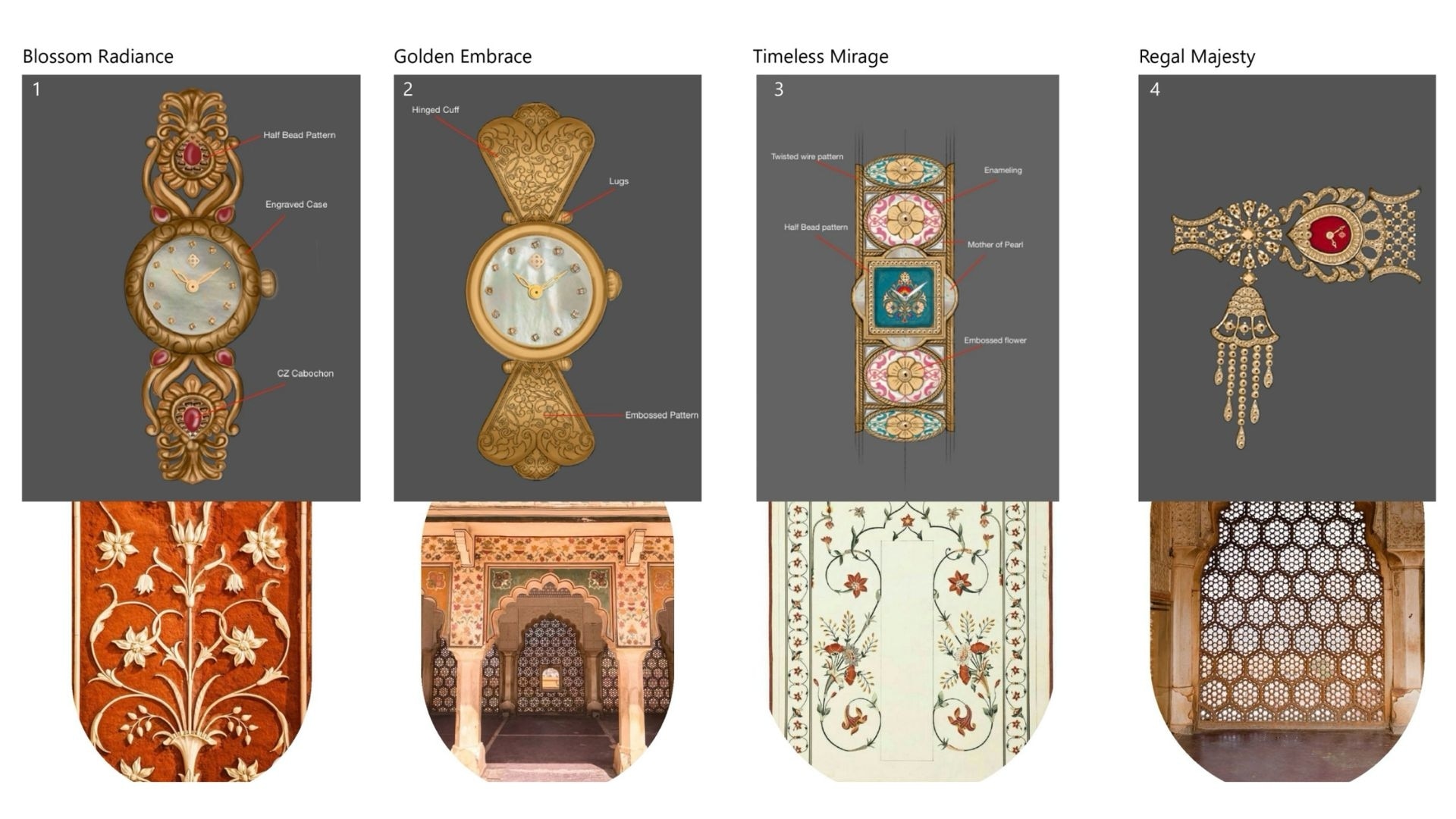
While global giants dominate sales, India is quietly building its own horological identity. Enter the Jaipur Watch Company, a pioneer billing itself as the country’s first luxury watch microbrand. Founded in 2013 by Gaurav Mehta, it marries Rajasthan’s artisanal heritage with modern design, crafting bespoke pieces that feature hand-painted Pichwai dials, vintage coins, and intricate jewelry-inspired details. Its “Brides of Jaipur” collection, launched in 2024, blends watchmaking with high-end adornment, earning praise for its elegance and cultural resonance.
“We’re not trying to compete with Switzerland on mechanics yet,” Mehta says from his workshop in Jaipur, surrounded by artisans etching dials by hand. “But we’re telling stories—Indian stories—through our watches, and that’s our strength.” Priced between $1,000 and $5,000, these timepieces are finding buyers among India’s elite and abroad, a small but symbolic step toward global recognition.
In Bangalore, the Bangalore Watch Company is making waves with a different approach: sleek, automatic watches inspired by India’s achievements in space and aviation. Its “Apogee” series, a nod to the Indian Space Research Organisation, has garnered a cult following since its debut. While many components are sourced internationally—India lacks the infrastructure to produce intricate movements domestically—the brand’s focus on design and assembly reflects a growing confidence.
Even Titan, the homegrown giant that revolutionized affordable watches in India, is reaching for the stars. In 2024, its premium Edge and Zoya lines entered the prestigious Grand Prix d’Horlogerie de Genève, a bold move that signaled India’s intent to compete globally. “We’re learning, innovating, and dreaming big,” says Suparna Mitra, Titan’s chief marketing officer. “The world is watching.”
India’s journey in luxury watchmaking is still young, and challenges remain. The country lacks the centuries-old traditions and technical ecosystems of Switzerland or Japan. High-end movements must be imported, and skilled watchmakers are scarce. Yet the optimism is palpable. With a luxury market projected to hit $200 billion by 2030, according to Bain & Company, watches are poised to play a starring role.
For now, India shines brightest as a consumer powerhouse, its cities alive with the tick of Swiss masterpieces and the hum of ambition. But as brands like Jaipur Watch Company and Bangalore Watch Company refine their craft, the day may come when “Made in India” graces the dials of the world’s most coveted timepieces. In a nation racing toward the future, time, it seems, is on India’s side.