News Desk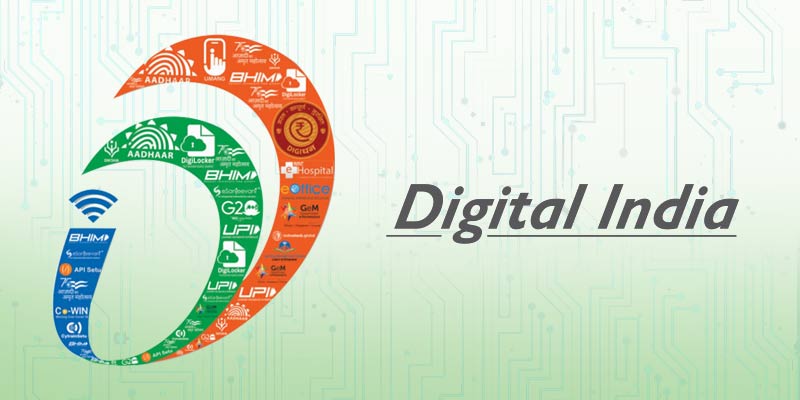
NEW DELHI — Imagine an email pinging the inboxes of India’s 2.4 million government employees, federal and state, asking them to list five tasks from last week. The response would be swift. Over a million would likely reply within hours, tapping into official email systems that hum with activity. In India, where digital infrastructure has become a cornerstone of governance, such connectivity is no fantasy—it’s routine.
This is the face of India’s e-governance revolution. A country once bogged down by paperwork and labyrinthine bureaucracy has vaulted into the digital age, leveraging technology to streamline services, empower citizens, and boost efficiency. Analysts estimate India’s e-governance adoption now exceeds 70 percent, a stark contrast to laggards in the region. For the average Indian, the days of endless photocopies and office pilgrimages are fading fast.
Consider the essentials: birth certificates, educational certificates and death certificates. You must have heard of DIGI Locker! Through the Aadhaar system—India’s biometric ID program, covering 1.3 billion people—these documents are increasingly a click away, issued digitally within days.
Over 90 percent of newborns are registered within a year, and death records are steadily syncing with real-time updates, curbing fraud. A widow claiming a pension no longer hauls a stack of papers; Aadhaar-linked databases pull the data seamlessly, slashing processing times from months to weeks.
The momentum builds.
Pensioners—some 10 million strong—verify their status with a quick scan of a QR code or a facial recognition check, sparing them bank treks.
Courts, burdened by 40 million pending cases, are digitizing at a breakneck pace; e-Courts platforms have slashed delays, with some disputes now resolved in months, not decades.
Property records, from Mumbai to Manipur, are migrating online, cutting ownership disputes with transparent, accessible titles.
India’s data isn’t just abundant—it’s actionable. From child welfare to industrial output, the government tracks metrics with precision, often in real time.
The 2024 Digital India audit flagged 1,200 ghost workers in Delhi alone, purging them within weeks.
In rural Bihar, mobile apps now monitor school attendance, shrinking the ghost-teacher scourge. Contrast this with neighbors fumbling in the dark, reliant on foreign reports for basic stats.
The secret? Vision and scale. India’s Unified Payments Interface (UPI) powers 50 billion transactions yearly—roadside tea vendors and farmers alike accept QR-code payments, a feat Kenya’s M-PESA can only envy.
By 2026, immigration clearance will shrink to seconds with biometric QR codes, rivaling Malaysia’s ambitions.
The Digital India initiative, launched a decade ago, has slashed red tape, with a lean bureaucracy embracing tech over turf wars.
Challenges linger—rural connectivity gaps, data privacy debates—but India’s trajectory is clear.
For citizens, the payoff is tangible: a government that listens, adapts, and delivers, not through promises, but pixels.