 News Desk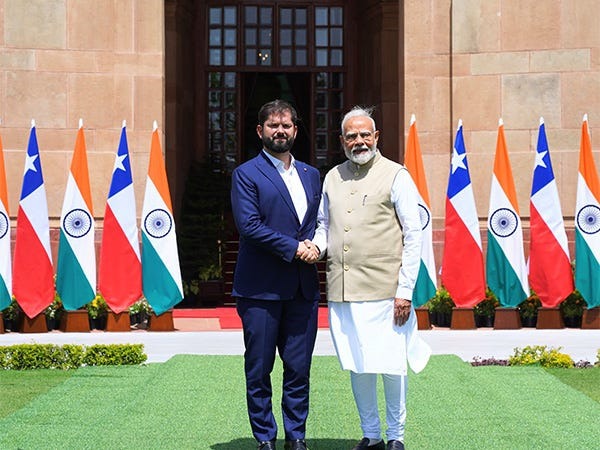
Two years back when a 50 member trade delegation from New Zealand -led by the then trade and foreign minister Damien O’Connor – visited India all that they were looking at was improved connectivity between the two nations and collaborations in Dairy sector to boost bilateral trade which stood at $2.5 billion then.
Fast forward this to 17th March this year, Prime Minister of New Zealand Christopher Luxon came to India on a state visit and after meeting Prime Minister Narendra Modi announced that the two nations were working on a Free Trade Agreement. Besides, partnerships in strategic sectors like defence.
“India is the world’s most populous country and an increasingly important partner for New Zealand, said PM Luxon adding that negotiations on a Comprehensive Free Trade Agreement have been launched.
A similar bonhomie was seen in the recently concluded visit of the Chilean President Gabriel Bornic Font and discussions have been initiated between Chile and India for a comprehensive trade agreement. The bilateral trade between India and Chile is $3.8 billion at present and is expected to increase once the trade agreement is formalised.
“PM Modi has a wierd status nowadays that he can talk to every leader of the world, President Putin, President Trump or President Zelenskyy, besides leaders in EU and Latin America,’’ said President Font.
What is the reason for India to consider having trade agreements with smaller nations like these two? Experts point towards the tariffs and trade policies of US under Trump that is urging other nations to look beyond the US and larger economies.
“Trump has already announced tariffs which are going to hit hard. All imports will have a 10 per cent tariff while countries like India will have to pay 26 per cent in the US market. The highest tariff has been imposed on Cambodia at 49 per cent. It is for the same reason that India is choosing to look beyond and is partnering with countries far and smaller in size to continue expanding its global trade,’’ according to a government economist.
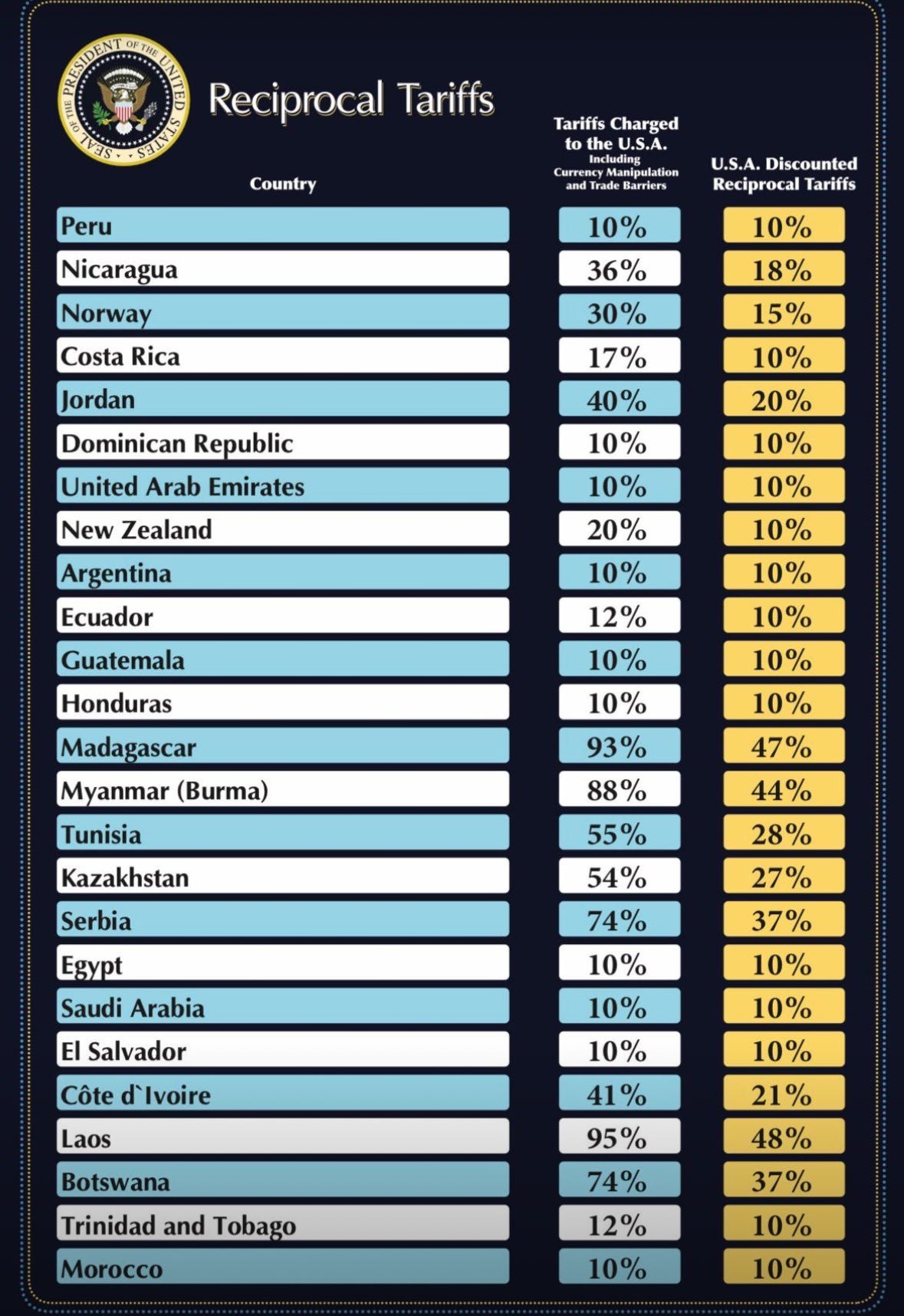
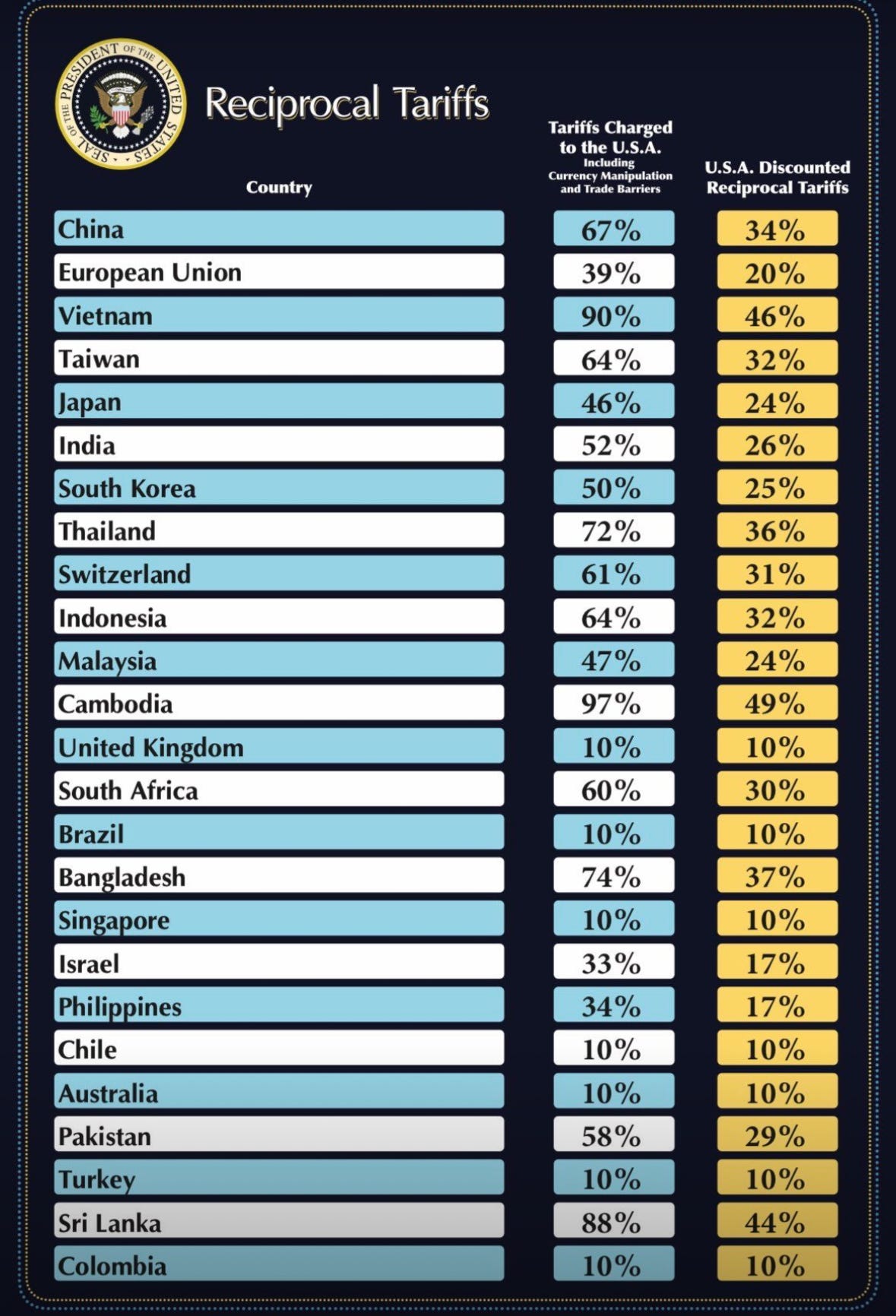
Interestingly, other countries too have begun to partner with each other for trade. This includes China, Japan and South Korea coming together exploring a free trade agreement.
In a bid to be less dependent on the dollar, India has also been trading in local currencies with many countries – Sri Lanka, Russia, Nepal and some in Africa. The motion has already been set against depending entirely on the US – which is amongst India’s largest trading partner.
The bilateral trade between India and the US is around $124 billion where India exports $81 billion whilst the US exports to India goods worth $44 billion, giving a surplus of $37 billion for India.
President Trump’s annoucement of Making America Great Again (MAGA) is already having an impact on many economies around the world. What appears as a challenge, is turning out to be an opportunity for other nations to get together to further trade ties.
India has established 13 FTAs with various countries and regional blocs. These include:
- South Asian Free Trade Area (SAFTA) – implemented in 2006 among SAARC nations to reduce tariffs.
- India-Sri Lanka Free Trade Agreement (ISFTA) – in effect since 2000, promoting bilateral trade.
- India-Nepal Treaty of Trade – provides duty-free access to primary products.
- India-Bhutan Agreement on Trade, Commerce, and Transit – eliminates tariffs on a range of goods.
- India-Thailand Free Trade Agreement – initiated in 2004 under the Early Harvest Scheme.
- India-Singapore CECA – covers trade, services, and investment.
- India-Malaysia CECA – effective from 2011, covering trade, services, and investments.
- India-Japan CEPA – eliminates tariffs on a vast majority of goods since 2011.
- India-South Korea CEPA – reduces tariffs and promotes trade.
- India-ASEAN FTA – established in 2010 for goods, expanded in 2014 for services.
- India-Mauritius CECPA – signed in 2021, India’s first trade agreement with an African nation.
- India-UAE CEPA – implemented in 2022, boosting bilateral trade.
- India-Australia ECTA – signed in December 2022, promoting key sectors like agriculture and minerals.
Meanwhile, India is likely to sign up two FTAs this year – with UK and EU. It is also in talks with U.S. for an FTA and review of ASEAN FTA. Other countries big or small will have bilateral trade agreements with India as the year unfolds, which is important for the world to bridge the gap between what it exports to the US (which will be impacted by tariffs) to where it can divert them in the future. India is taken seriously by the world now as it’s the fifth largest economy with its present GDP at $4.3 trillion, surpassing the UK.
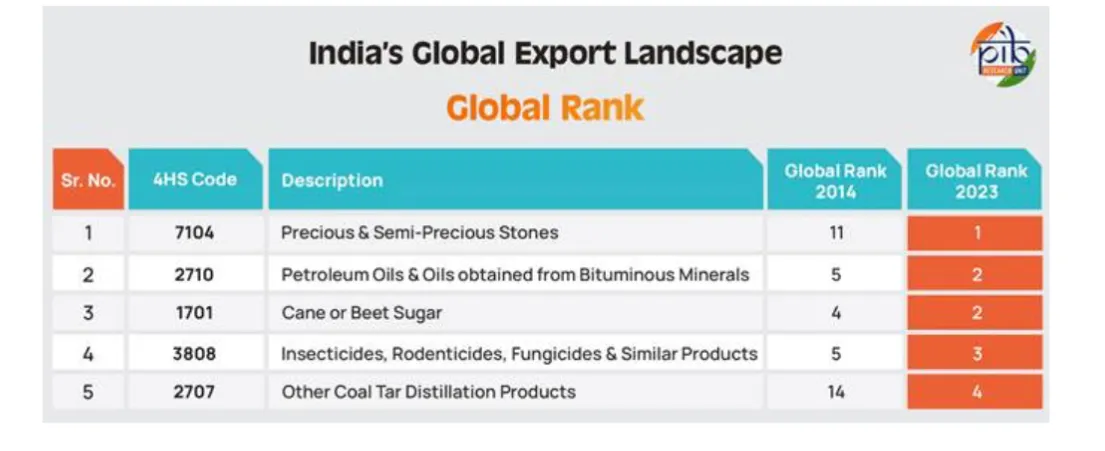
India’s global trade has witnessed a significant growth with exports reaching $778.21 billion (merchandise and services) in 2023-24 which is a 67 per cent increase from 2013-14. This is likely to continue in the years ahead, notwitstanding the tariffs that the US has imposed.