 News Desk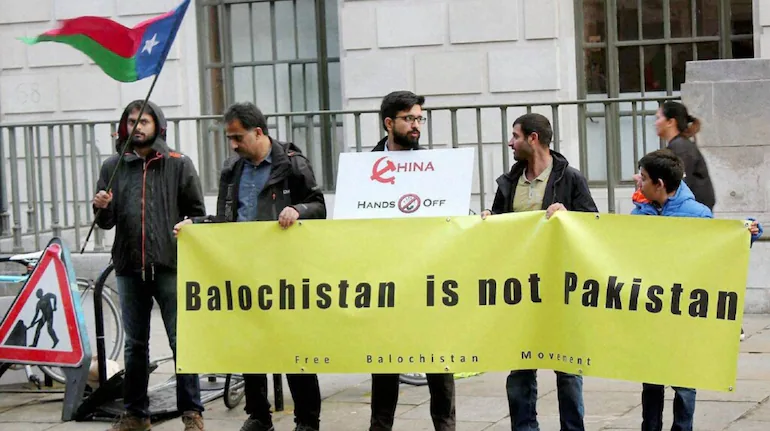
Balochistan activists, led by the Baloch Liberation Army (BLA) and other groups, declared independence from Pakistan, escalating tensions in the restive province. The announcement, made during a period of heightened violence, underscores the growing resistance against alleged Pakistani state oppression and resource exploitation in Balochistan.
Key Developments:
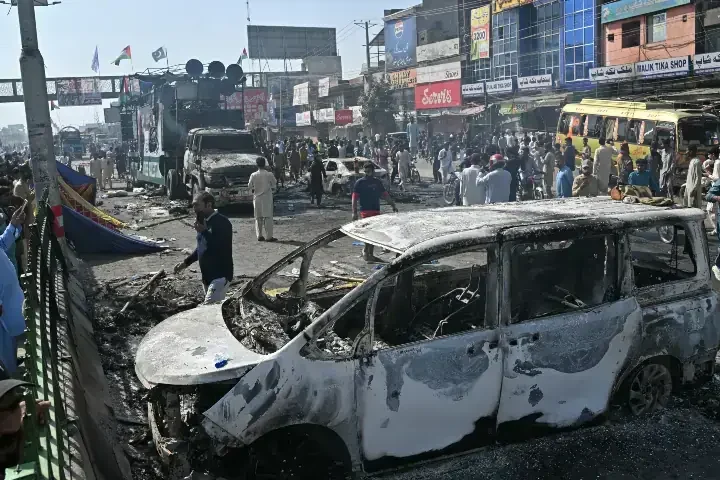
- The BLA, a prominent separatist group, claimed responsibility for recent attacks, including a suicide bombing targeting Chinese engineers near Karachi’s airport in October 2024, highlighting their opposition to foreign projects like the China-Pakistan Economic Corridor (CPEC).
- Activists accuse Pakistan of systemic human rights abuses, including enforced disappearances and extrajudicial killings, fueling demands for self-determination.
- The declaration follows decades of insurgency, with Baloch groups citing economic marginalization despite the province’s rich natural resources, such as gas and minerals.
Who’s Who in the Resistance:
- Hyrbyair Marri: Leader of the Free Balochistan Movement, Marri operates from exile in London, advocating for an independent Baloch state through political and diplomatic efforts.
- Brahumdagh Bugti: Head of the Baloch Republican Party, Bugti, based in Switzerland, pushes for international support for Baloch self-determination, distancing himself from armed violence.
- Allah Nazar Baloch: Commander of the Baloch Liberation Front (BLF), Nazar leads guerrilla operations against Pakistani forces, emphasizing armed struggle.
- Gulzar Imam (Shambay): A senior BLA commander, recently reconciled with the Pakistani state, previously orchestrated high-profile attacks but now advocates dialogue.
- Maharang Baloch: A prominent activist leading the Baloch Yakjehti Committee, she focuses on non-violent protests against enforced disappearances, gaining global attention.
Context and Challenges:
- Balochistan, Pakistan’s largest but least populous province, hosts strategic projects like Gwadar Port, central to CPEC. Separatists view these as exploitative, benefiting outsiders while locals remain impoverished.
- Pakistan’s military has intensified counterinsurgency operations, labeling Baloch groups as terrorists, which critics argue exacerbates civilian suffering.
- The movement faces internal divisions, with some leaders favoring diplomacy and others committed to armed resistance, complicating a unified strategy.
Global Implications:
- The independence declaration has drawn attention from India, Afghanistan, and Western human rights groups, with India previously accused by Pakistan of supporting Baloch insurgents—a charge Delhi denies.
- China’s investments in Balochistan face risks, as BLA attacks increasingly target Chinese nationals, straining Pakistan-China ties.
The Pakistani government has yet to respond officially to the declaration, but analysts expect a robust military response. As the conflict intensifies, Balochistan remains a flashpoint for regional and geopolitical tensions.