News Desk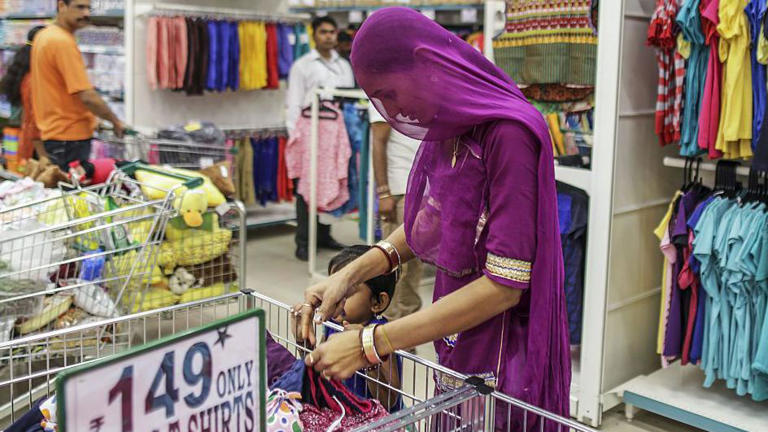
NEW DELHI — India’s economy roared to life in the first three months of 2025, posting a robust 7.4% growth rate that outstripped forecasts and marked a sharp rebound from the 6.2% expansion in the prior quarter. The figures, released Friday, cement India’s position as the world’s fastest-growing major economy, even as challenges loom on the horizon.
The surge, driven by a strong winter harvest, steady government spending, and a revival in rural demand, offers a glimmer of optimism for Prime Minister Narendra Modi’s administration. Yet, the full fiscal year 2024-25, spanning April to March, is projected to grow at a more modest 6.5% — the slowest pace in four years and a notable cooldown from the 9.2% peak in 2023-24. Economists point to sluggish urban consumption, high unemployment, and tepid private investment as persistent drags on growth.
“India’s rural economy is showing resilience, thanks to favorable harvests and government support,” said Aditi Nayar, chief economist at Icra, a ratings agency based in Mumbai. “But urban demand remains a weak link, with joblessness and wage stagnation hitting household budgets hard.”
The Reserve Bank of India, the country’s central bank, is expected to cut interest rates for the third consecutive time when it meets in June, aiming to spur growth. Lower food inflation, falling oil prices, and an early monsoon with above-average rainfall are also projected to bolster the farm sector, a critical driver of India’s economy. Additionally, income tax cuts announced in the recent federal budget could lift consumer spending, Nayar noted.
Still, global headwinds threaten to temper India’s momentum. The International Monetary Fund forecasts global growth will dip to 2.8% in 2025 and 3% in 2026, with uncertainties fueled by U.S. President Donald Trump’s renewed trade war. In April, Trump imposed tariffs of up to 27% on Indian goods, though a 90-day pause on those duties is set to expire on July 9. India is racing to finalize a trade agreement with the United States by fall, but economists warn that prolonged trade tensions could dampen export demand and delay private investment.
“Global slowdown fears are real, and they’re already casting a shadow on India’s export outlook,” said Shilan Shah, an economist at Capital Economics. “Without a pickup in private capital spending, India’s growth engine will continue to lean heavily on public infrastructure projects.”
Government-led spending on roads, ports, and highways has been a cornerstone of India’s economic strategy, compensating for a lackluster private sector. Data from Icra shows private investment as a share of total economic expenditure dropped to a 10-year low of 33% in 2024-25. Net foreign direct investment also slumped to $0.35 billion, a two-decade low, as Indian companies increasingly sent capital abroad.
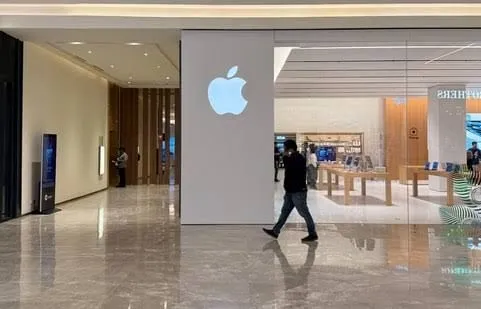
Modi’s government has aggressively pitched India as a global manufacturing hub, luring companies like Apple, which recently announced plans to shift much of its iPhone production for the U.S. market from China to India. However, trade analysts caution that such gains could falter if the U.S. and China follow through on recent commitments to ease their own tariff disputes, potentially reducing the incentive for companies to relocate to India.
Despite these hurdles, optimism persists in New Delhi. The government’s focus on infrastructure, coupled with favorable monsoon forecasts, could provide a buffer against global uncertainties. For now, India’s economy continues to outpace its peers, offering a rare bright spot in a slowing world.