News Desk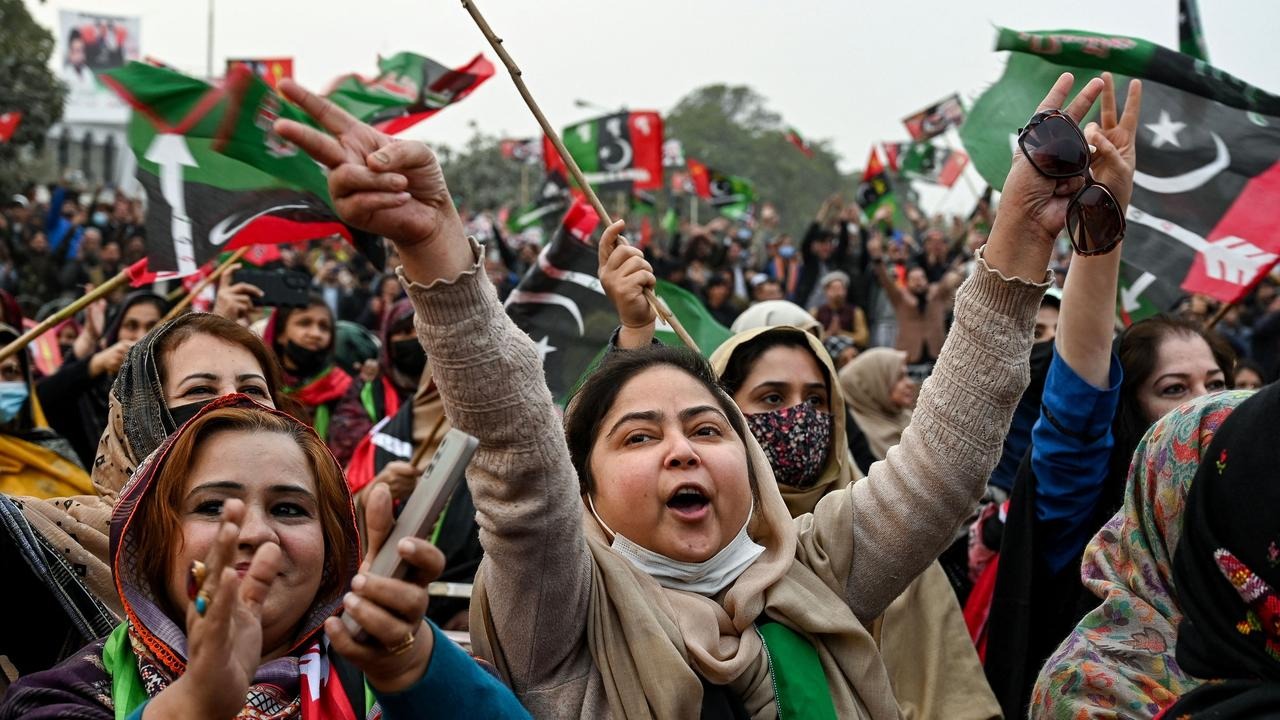
ISLAMABAD — Pakistan is spiralling into a human development abyss, with its government seemingly indifferent to the escalating crisis. The latest data paints a bleak picture: dismal literacy rates, collapsing education systems, rampant poverty, and stark gender disparities threaten to derail the country’s future. Yet, these urgent issues barely register in public discourse or policy priorities, overshadowed by a relentless focus on macroeconomic woes and mounting debt. The neglect is not just shortsighted—it’s a betrayal of Pakistan’s potential.
The United Nations Development Program’s 2025 Human Development Report ranks Pakistan a dismal 168 out of 193 countries, languishing in the “low” human development category. The World Bank’s 2023 Pakistan Human Capital Review is even more scathing, warning of a “silent, deep human capital crisis” that could cripple the nation’s economic trajectory.
Nowhere is this failure more evident than in education. Over 26 million children aged 5 to 16—45 percent of that age group—are out of school, the second-highest figure globally. More than half are girls, a glaring violation of Pakistan’s constitutional mandate for free and compulsory education. For those who do attend, high dropout rates and pervasive learning poverty ensure that even basic literacy remains elusive.
Prime Minister Shehbaz Sharif has twice declared an “education emergency,” first in May 2024 and again in September, promising to enroll those 26 million children. But these pronouncements have proven hollow, with no meaningful policy or funding to back them.
Federal and provincial spending on education has plummeted to a shocking 0.8 percent of GDP, down from 2 percent in 2018, placing Pakistan among South Asia’s lowest spenders. The result? A literacy rate stuck at 60 percent, leaving 40 percent of the population illiterate—a level incompatible with economic progress.
Pakistan’s youth bulge—two-thirds of its population under 30—could be a demographic dividend, driving growth if educated and skilled. Instead, the government’s failure to invest in human capital risks turning this potential into a liability. Uneducated and unemployed, Pakistan’s youth face a bleak future, with ripple effects that could destabilize the nation.
The World Bank reports poverty has surged to 44 percent, exacerbated by sluggish growth and a cost-of-living crisis. Extreme poverty now afflicts 16.5 percent of the population, up from 4.9 percent, trapping millions in desperation.
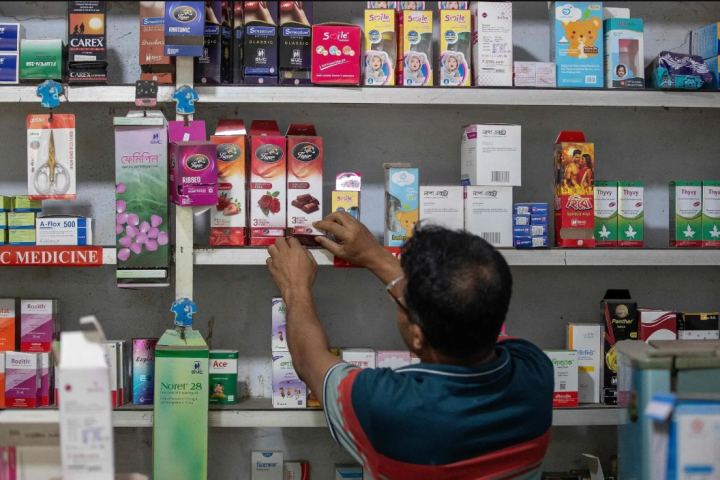
Health outcomes are equally dire. Public health spending, at a paltry 0.9 percent of GDP, has left Pakistan grappling with a public health crisis. Nearly 40 percent of children under five suffer from stunting due to malnutrition, a condition that condemns them to lifelong physical and economic hardship. This is not just a statistic—it’s a national tragedy, rooted in poverty and governmental neglect.
Gender inequality further compounds Pakistan’s woes. The World Economic Forum’s 2025 Global Gender Gap Index ranks Pakistan dead last among 148 countries. Female labor force participation hovers at a meager 22 percent, compared to over 80 percent for men, squandering economic potential. Empowering women could boost GDP, yet Pakistan lags behind even its Muslim peers and countries with similar incomes.
The country’s runaway population growth, the highest in South Asia, piles pressure on already strained resources. A task force on population, established in 2018 under Supreme Court orders, has been dormant, reflecting the government’s apathy. Without a robust population planning policy, Pakistan is barreling toward a demographic disaster.
Pakistan’s leaders tout economic plans like “Uraan,” which vaguely nod to human capital investment but deliver no action. The media, too, has failed to hold them accountable, fixating on budget debates while ignoring the social sector’s collapse.
This myopia ignores a fundamental truth: economic growth and human development are inseparable. Without massive investment in education, health, and gender equity, Pakistan cannot hope to compete globally or lift its people out of poverty.
The stakes could not be higher. Pakistan’s young, growing population could propel it forward—if equipped with skills and opportunities. But continued neglect will consign the nation to stagnation, poverty, and instability. The government’s inaction is not just a policy failure; it’s a moral one, robbing millions of the future they deserve.