News Desk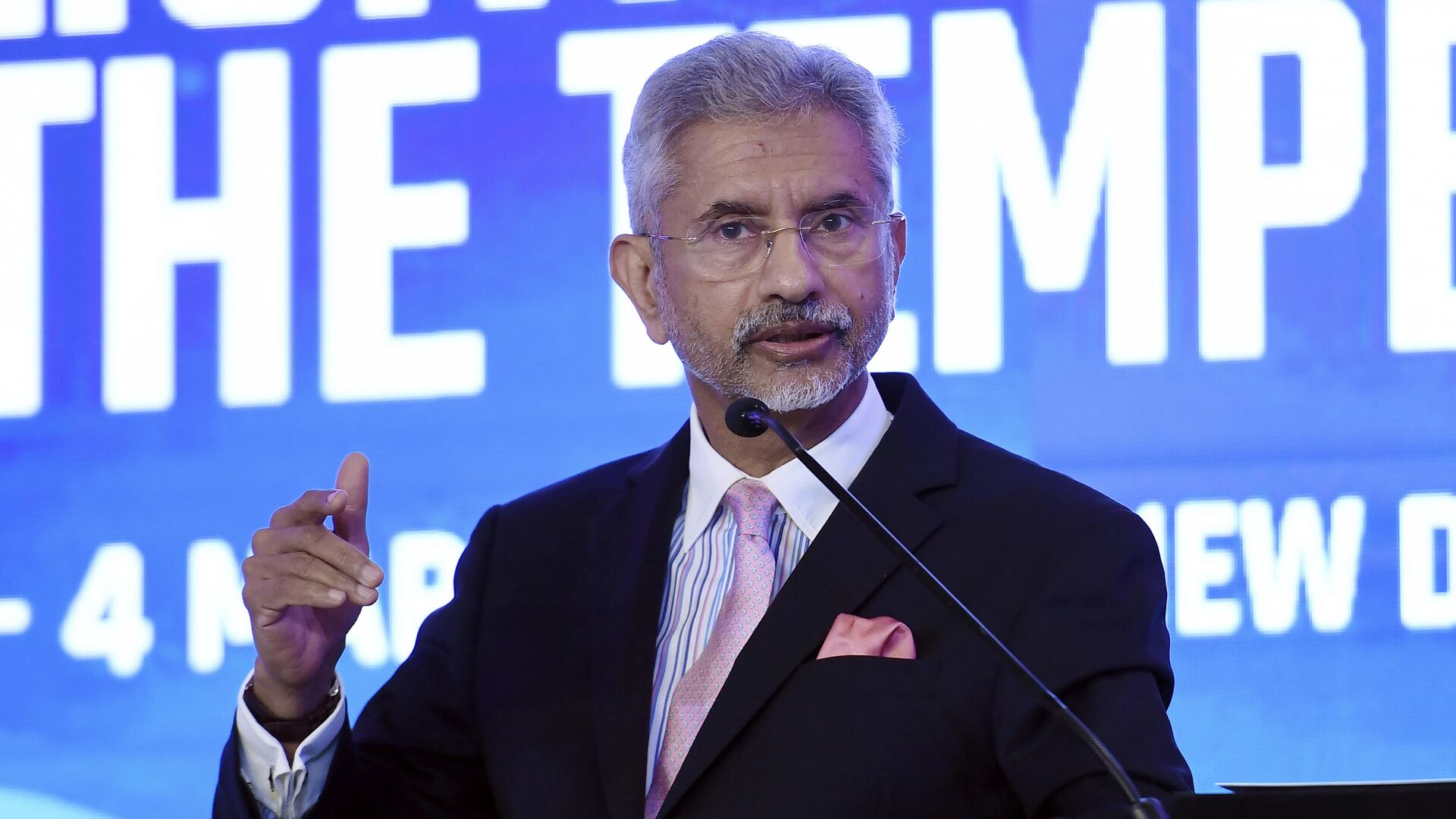
In a moment of pointed clarity, India’s External Affairs Minister S. Jaishankar has accused the West of abandoning the Global South amid a cascade of global crises. Speaking with the gravitas of a seasoned diplomat and the urgency of a leader from the developing world, Jaishankar’s remarks reflect a growing frustration among nations long sidelined in the international system they helped build—but rarely benefited from.
“The rights and expectations of developing countries in the international system, which has been so assiduously developed over many, many decades, are today under challenge,” Jaishankar said, underscoring what he described as a systemic failure of the global order to uphold its promises.
His critique is not without context. The COVID-19 pandemic exposed deep inequities in vaccine access and economic resilience. Conflicts in Ukraine and Gaza have diverted attention and resources from development agendas. Climate disasters—disproportionately affecting the Global South—continue to mount, while trade volatility and investment bottlenecks choke growth. The cumulative effect, Jaishankar warned, is a “catastrophic slowing down” of the Sustainable Development Goals (SDGs), a framework once heralded as a shared blueprint for global progress.
India’s position is not merely rhetorical. As the world’s most populous country and a rising economic power, India has increasingly positioned itself as a voice for the voiceless—championing debt relief, climate justice, and equitable access to technology. Jaishankar’s remarks reflect a broader shift in Indian diplomacy: assertive, unapologetic, and willing to call out hypocrisy.
That hypocrisy, he noted, is most visible in the West’s double standards. “The West sets different standards for itself while preaching to the Global South,” Jaishankar said, echoing a sentiment that has gained traction across Africa, Latin America, and Southeast Asia. Whether on climate commitments, trade rules, or geopolitical alignments, the West’s selective morality has eroded trust and credibility.
India’s critique lands at a time when the Global South is demanding a seat at the table—not as guests, but as equal stakeholders. The G20 presidency, held by India in 2023, was emblematic of this shift, with New Delhi pushing for inclusive growth and digital public infrastructure as global goods.
Jaishankar’s statement is not just a rebuke—it is a call to reimagine global governance. In uncertain times, the Global South is not asking for charity. It is demanding fairness. And India, with its unique blend of scale, experience, and ambition, is emerging as its most articulate advocate.