 News Desk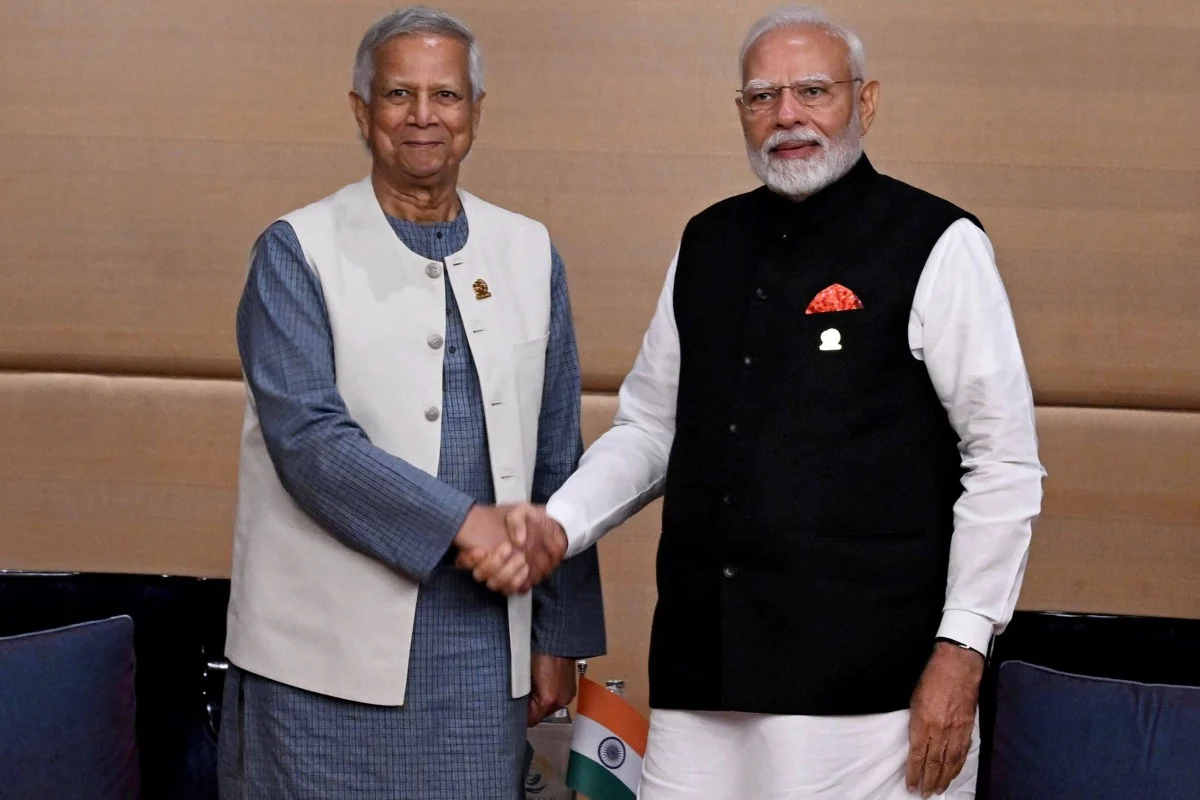
The announcement, made this week under Prime Minister Muhammad Yunus’s administration, signals a sharp departure from earlier education reforms that sought to broaden curricula beyond core academic subjects. Officials framed the move as a “streamlining” of resources, but the timing — coming after vocal opposition from Islamist organizations — has fueled speculation that the government is bowing to political pressure.
Islamist leaders had warned against what they described as “un-Islamic” elements in the curriculum, singling out music instruction in particular. Their campaign gained momentum in recent months, with rallies and petitions demanding the removal of posts dedicated to music and physical education. The government’s decision appears to reflect a compromise, though it has drawn criticism for sidelining subjects that many see as essential to child development.
Teachers’ associations and cultural groups reacted with dismay, warning that the removal of these posts will narrow opportunities for children, particularly in rural areas where schools are often the only access point for arts and sports. “This is not just about music or games,” said one Dhaka-based education activist. “It’s about whether we want our children to grow up with creativity, confidence, and balance — or only with rote learning.”
The move underscores the delicate balancing act facing the Yunus government, which has pledged modernization while also navigating the influence of conservative religious forces. Bangladesh has a long tradition of music and cultural expression tied to its independence movement, and critics argue that erasing such subjects from classrooms risks eroding that heritage.
International observers have also taken note. Human rights groups warned that the decision could embolden hardline factions and weaken Bangladesh’s commitments to inclusive education under global development goals.
The Ministry of Education has not clarified whether existing teachers in these posts will be reassigned or dismissed, nor has it outlined plans for extracurricular programs to fill the gap. Opposition parties are expected to raise the issue in Parliament, while civil society groups are preparing petitions urging the government to reverse course.
For now, the policy shift has become a flashpoint in Bangladesh’s ongoing struggle to reconcile cultural identity, religious influence, and the demands of a modern education system. As one parent in Chittagong put it, “We want our children to learn math and science, yes — but also to sing, to play, to be whole.”