News Desk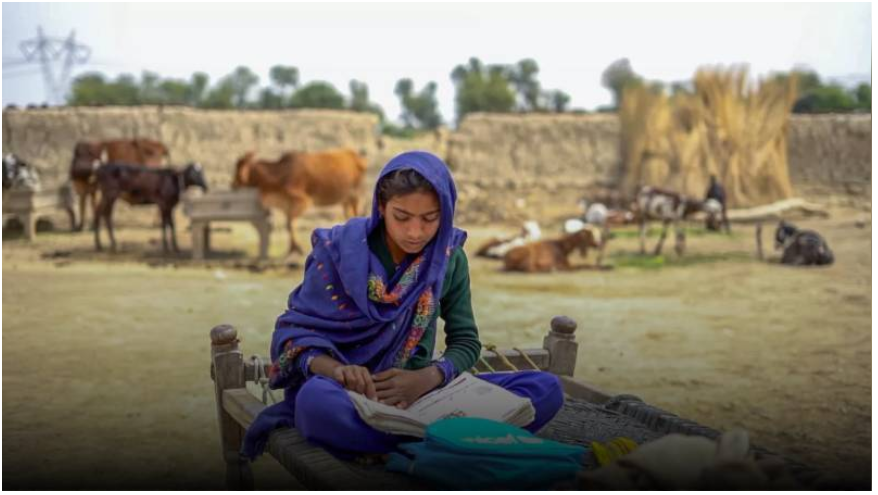
DERA BUGTI, Balochistan — Beneath the rugged hills of Balochistan lies a wealth of minerals and energy reserves that have fuelled Pakistan’s growth for decades. Gas from Sui, coal from Chamalang, and copper from Saindak have all been extracted to power industries and enrich the state. Yet for the people of Balochistan the wealth beneath their soil has brought little mercy.
Balochistan is Pakistan’s largest province by landmass, but among its poorest by human development indicators. Literacy rates lag far behind the national average. Maternal mortality is among the highest in the country. Access to clean drinking water is scarce, forcing families to rely on brackish wells or tanker deliveries.
The paradox is stark: a province rich in minerals, yet poor in mercy. “We live above wealth,” said a mother of five in Dera Bugti, “but we drink from dirty wells. It makes us feel invisible.”
The story of Dera Bugti epitomizes this paradox. Gas discovered in Sui in 1952 became the backbone of Pakistan’s energy grid, supplying fuel to Karachi’s industries and Lahore’s households. But the district itself remained impoverished. Schools were announced but never built. Hospitals were planned but left unfinished. Roads were laid only as far as the wells, not the villages.
Economists call it the “resource curse” — when wealth extracted from the ground enriches outsiders but impoverishes locals. In Balochistan, the curse is written in broken promises.
Part of the problem lies in the politics of resource distribution. Balochistan has long complained that its share of royalties and development funds is siphoned off by federal authorities or lost to corruption. Local leaders accuse successive governments of treating the province as a colony — a place to be mined, not nurtured.
The grievances have fueled insurgencies, with militant groups targeting pipelines and installations as symbols of exploitation. Each attack deepens mistrust, prompting the state to tighten security rather than address underlying deprivation.
The absence of development is visible in everyday life. Children walk miles to reach makeshift schools, often without books or teachers. Women give birth at home, without medical care, risking their lives. Families spend hours collecting firewood, a task that consumes time and energy that could be spent on education or work.
The absence of clean water has health consequences. Respiratory illnesses are common, especially among women and children exposed to smoke from wood fires. Diarrheal disease is rampant among children. Doctors in the district report that waterborne illnesses account for the majority of cases they see.
In national debates, Balochistan’s plight is rarely discussed. The province is seen as a resource hub, not a community. Its minerals are symbols of national pride, but its poverty is treated as a local inconvenience.
Yet the story of Balochistan is emblematic of a larger challenge: how to balance national development with local justice. Without addressing the inequities of resource distribution, Pakistan risks deepening the very divisions that have long haunted its federation.
Decades of promises have yielded little. Development funds vanish into contracts and kickbacks, while basic services never arrive. The gas fields, once symbols of national pride, have become reminders of neglect.
For the families who still cook over wood fires and drink from dirty wells, the irony is bitter. They live atop one of the country’s richest energy deposits, yet remain trapped in poverty. The pipelines carry gas to distant cities, but the smoke of burning wood lingers in their homes.
In Balochistan, the wealth beneath the soil has brought prosperity to the nation, but little mercy to its people.