News Desk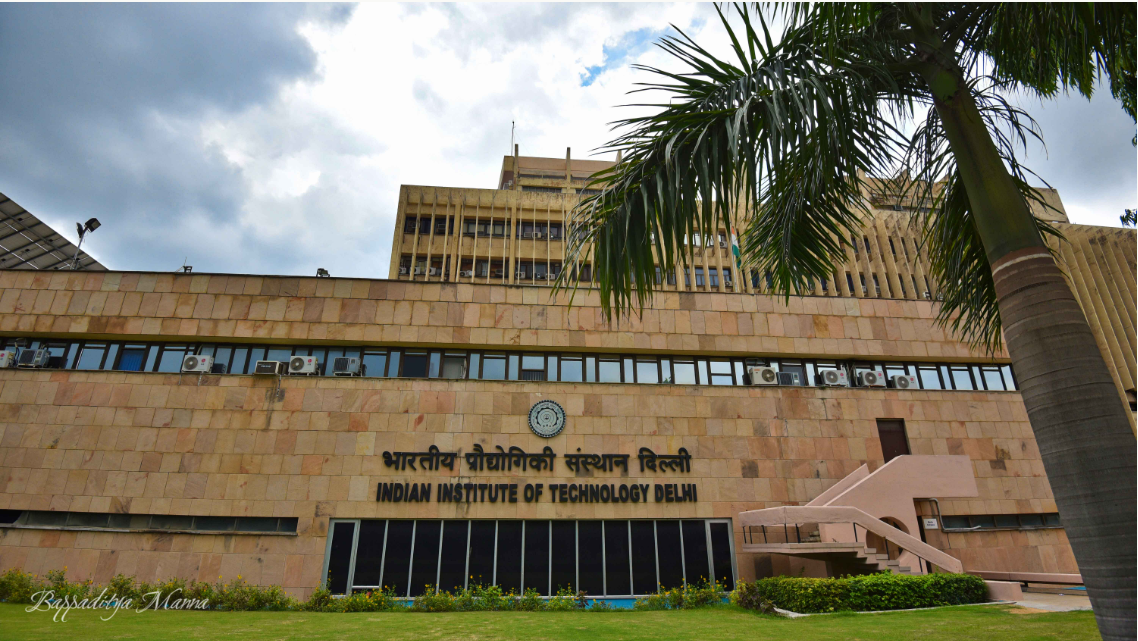
In the shadow of the Himalayas and along the sun‑drenched coasts of North Africa, a quiet educational shift is taking shape — one that reaches back to the fervent nation‑building years of post‑independence India. Bhutan and Morocco have formally asked New Delhi to establish offshore campuses of the Indian Institutes of Technology, or IITs, signalling a growing global appetite for India’s celebrated engineering‑education model.
The IITs emerged in the early years of India’s sovereignty, born of a young nation’s determination to harness science and technology for development. The first campus opened in Kharagpur in 1951, drawing inspiration from the Massachusetts Institute of Technology and supported by international partners, including UNESCO and the Soviet Union. What began as a modest effort to train engineers for India’s industrial ambitions has since expanded into a network of 23 elite institutions, known for producing innovators who fuel global technology companies and shape economic growth. Rooted in meritocracy and academic rigor, the IIT system has become a pillar of India’s intellectual identity.
Two offshore campuses have already taken shape, marking the first steps in this international expansion. IIT Madras–Zanzibar in Tanzania welcomed its inaugural class in late 2023, offering programs tailored to African development priorities.
IIT Delhi–Abu Dhabi followed in 2024, forging collaborations in fields such as artificial intelligence and sustainable energy. Both ventures align with India’s National Education Policy of 2020, which calls for the internationalization of higher education and the sharing of expertise abroad.
Interest is now coming from a widening circle of countries. What began with forays into Africa and the Middle East has extended to South Asia and beyond, as governments look to import India’s formula for cultivating technical talent. The IIT brand, long a magnet for ambitious students at home, is increasingly drawing attention overseas.
For India, the implications reach beyond education. By exporting its academic institutions, New Delhi projects the image of a confident, collaborative power in innovation and human‑capital development. The initiative strengthens diplomatic ties, expands alumni networks across continents and enhances India’s soft power at a moment of geopolitical flux. In many ways, the global spread of the IITs echoes the visionary spirit that shaped them seven decades ago — a belief that knowledge, shared widely, can accelerate national and global progress.