 News Desk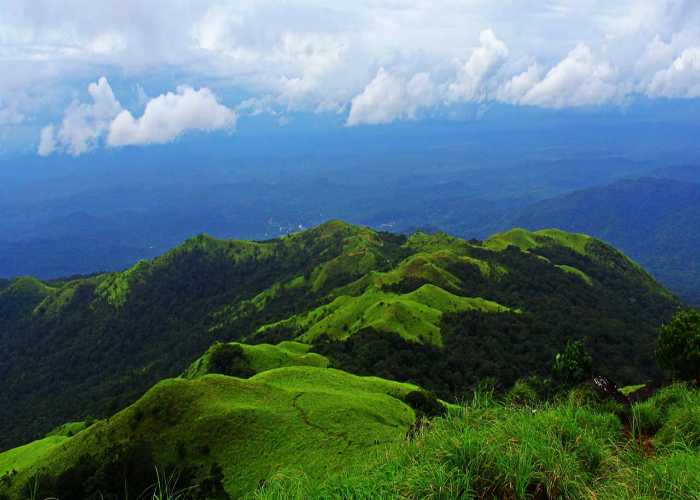
The train whistle pierced the morning haze as I boarded the Rajdhani Express at Bangalore Central Railway Station, bound for Mysore. The 7:30 AM departure was a blur of chai vendors and hurried goodbyes, but once the train lurched forward, the city’s chaos melted into a soothing rhythm. The three-hour ride unfolded like a moving postcard—sprawling fields of sugarcane, coconut groves swaying in the breeze, and the occasional glimpse of the Cauvery River glinting under the sun. The AC coach was a cocoon of comfort, with stewards serving steaming idlis and filter coffee that carried the faint promise of the hills I was chasing. By 10:45 AM, Mysore’s regal silhouette welcomed me, its palace domes peeking above the skyline.
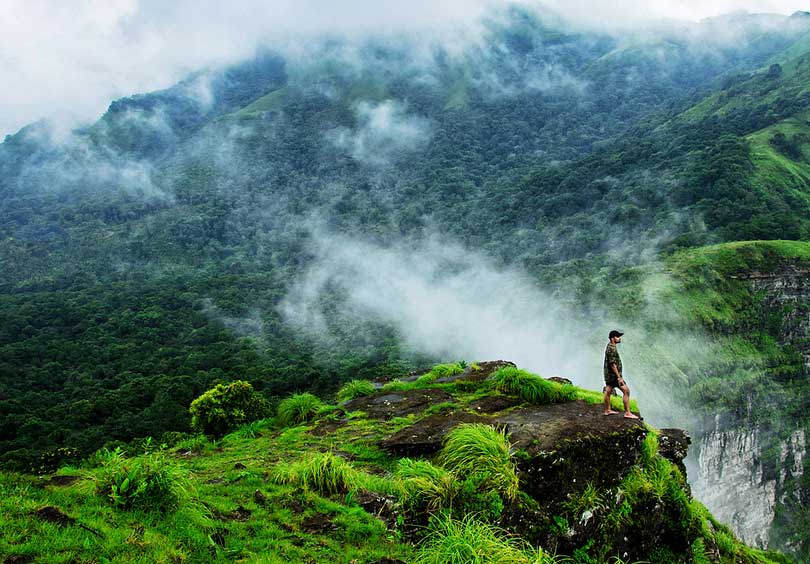
From Mysore, I rented a sturdy Toyota Innova—Kodagu’s winding roads demand nothing less—and set off on the 115-kilometer drive to Madikeri, the heart of Coorg, India’s own Scotland. The journey was a slow unfurling of beauty. The road snaked through paddy fields at first, then climbed into the Western Ghats, where the air grew crisp and the scenery turned cinematic. Mist clung to the hills like a gossamer veil, and every curve revealed shola forests dripping with green, punctuated by the red-tiled roofs of villages. Coffee estates began to appear, their bushes heavy with berries, and the scent of damp earth and spice wafted through the open window. It was a two-and-a-half-hour drive, but time dissolved amid the symphony of birdsong and the occasional honk of a passing truck.

In Madikeri, I reunited with Shilpa, a batchmate whose roots run deep in Kodagu’s soil. She greeted me with a warm hug and a plan: we’d stay at her family’s resort and dive into the Kodava world she’d always raved about. Her uncle, a prominent figure in the Kodava community, runs Kodava community office in Vasanthnagar, Bangalore. But it was her great-aunt who stole the show. At 92, she’s a living archive of Kodava lore, a former playback singer from the black-and-white film era whose voice once filled South Indian theaters. We sat in her living room, a treasure trove of history with 100-year-old antique rugs sprawled across the floor—intricate patterns of crimson and gold that whispered of a bygone age. Over dinner, she poured us glasses of a velvety Cabernet Sauvignon, her taste for expensive wines a quiet rebellion against the simplicity of rural life.
As the wine flowed, so did her stories. “We Kodavas,” she began, her voice a melodic rasp, “came from far away. My grandfather swore we’re tied to Alexander the Great—his soldiers, left behind after the march into India, settled here and married our women.” She pointed to her sharp, aquiline nose—“Caucasian, you see, not like the rest”—and laughed, a twinkle in her eye. Historians might scoff, but she believes it fiercely: her ancestors trekked from the rugged lands of Persia or Kurdistan, bringing their warrior spirit to these hills. “We’re Hindus, yes,” she added, “but we bury our dead, not burn them. The earth takes us back, like it did in the old days.” Her tales painted a Kodava identity both proud and enigmatic, a blend of local roots and distant echoes.
The next day, Shilpa took me to their family resort, a lush oasis on the edge of Madikeri. It was a cluster of cottages cradled by herb gardens—basil, lemongrass, and mint perfuming the air—set against a backdrop of emerald hills. Coffee plantations stretched beyond, their dark green leaves glistening after a light drizzle. We wandered the estate, the soil soft underfoot, and plucked ripe coffee cherries, their tart sweetness a revelation. The manager roasted a batch for us later, and the brew was a symphony—nutty, bold, with a hint of chocolate that lingered like a warm embrace. Nearby, a waterfall tumbled into a rocky pool, its roar a constant companion as we sipped our cups on the veranda, mist rising from the valley below.
Kodava culture seeped into every moment. At dinner, Shilpa’s family served pandhi curry, a fiery meat dish rich with black pepper and kachampuli vinegar, paired with noolputtu, delicate rice noodles that melted in the mouth. The meal was a ritual, a nod to their warrior-farmer roots, and the table buzzed with laughter and Kodava Takk, their lilting language. Later, Shilpa showed me a kuppia, the traditional black coat her uncle wears for festivals like Kailpodh, when weapons are polished and revered—a reminder of their martial pride.
On my final day, we visited the Tibetan settlement in Bylakuppe, a village that hums with the quiet resilience of exile. The monks in deep maroon robes walked in slow, meditative steps, their prayer wheels spinning as they murmured chants older than the hills surrounding them. The Namdroling Monastery, with its towering golden Buddha statues, radiated a serenity that felt both sacred and solemn. At a handicraft store nearby, I browsed intricate Thangka paintings, delicate woodwork, and handcrafted carpets—each a testament to the skill and perseverance of a people who have made India their second home since fleeing Tibet aftermath of Chinese invasion in 1959. “India has been good to us,” an elderly artisan told me, his hands worn from years of weaving. “But home is always far.” The Indian government’s generosity has helped them sustain their culture, but their longing for Tibet lingers like incense in the air, a scent that never quite fades.

The days blurred into a montage of Kodagu’s gifts: mornings lost in the mist of Abbey Falls, afternoons tracing the golden glow of Namdroling Monastery, evenings under a sky ablaze with stars. It was Scotland reimagined—wild, verdant, and steeped in a mystique all its own. As I packed to leave, Shilpa’s great-aunt pressed a small jar of homemade coffee into my hands. “Come back,” she said, her nose still defiantly pointing to some ancient lineage. I promised I would—to this Scotland of India, where the hills hum with stories and the coffee tastes like home.