 News Desk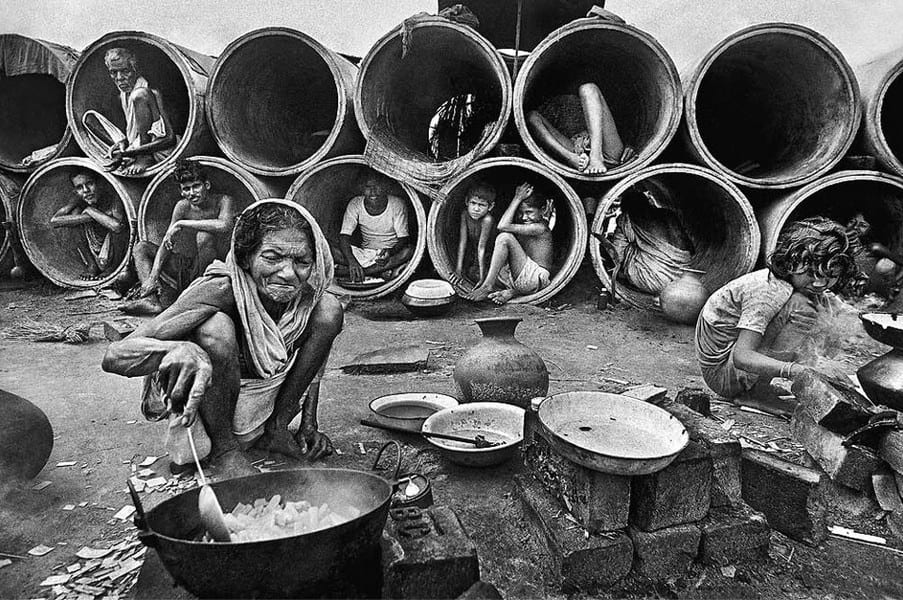
Yesterday marked the 54th anniversary of Operation Searchlight, the chilling onset of the 1971 Bengali genocide orchestrated by Pakistan’s military. On March 25, 1971, General Tikka Khan, later dubbed the “Butcher of Bengal,” launched a ruthless assault in Dhaka. Troops stormed Dhaka University, rounded up intellectuals, and targeted Hindu neighborhoods, initiating a bloodbath that claimed nearly three million lives. Between 200,000 and 400,000 women endured mass rape, many forced into military camps as sex slaves. As April’s Genocide Awareness Month nears—commemorating tragedies like the Armenian Genocide, the Tutsi slaughter in Rwanda, and the Anfal campaign against Iraqi Kurds—Bangladesh’s overlooked agony demands remembrance.
That genocide was no mere civil war. It was a calculated extermination to crush Bengali nationalism after Pakistan’s first elections sparked calls for autonomy. For nine months, the Pakistani army, aided by Islamist militias like Al-Badr and Al-Shams, hunted activists, journalists, and professors. In December 1971, days before Pakistan surrendered to India and Bangladeshi forces, thousands of intellectuals were abducted, executed, and dumped in mass graves. The scars remain raw in Bangladesh, yet Pakistan has never acknowledged its crimes or faced justice.
The world’s response then was shameful. The United States, under President Richard Nixon, stayed silent, valuing Pakistan as a Cold War ally. Archer Blood, the U.S. consul in Dhaka, sent frantic cables detailing the slaughter, only to be ignored by Washington. Global powers dismissed it as an “internal matter,” a failure that emboldened Pakistan’s impunity. That silence haunts human rights advocacy today.
Now, in 2025, Pakistan’s oppression continues unabated. In Balochistan and Khyber Pakhtunkhwa, ethnic Balochs and Pashtuns endure state-sponsored violence chillingly reminiscent of 1971. Military operations raze villages under the guise of counterterrorism. Thousands of young men have vanished, leaving families in anguish. Just this month, March 2025 reports from Balochistan document intensified raids, with dozens abducted and several killed in clashes. The Pashtun Tahafuz Movement (PTM), a peaceful group demanding rights and an end to extrajudicial killings, faces relentless persecution. Its leaders are jailed, its journalists silenced, and its protests met with bullets.
The parallels to Bangladesh are stark. Like the Bengalis, Balochs and Pashtuns are branded threats to the state. Their calls for dignity are answered with massacres and disappearances. Pakistan’s playbook—systematic killings, cultural erasure, and denial—hasn’t changed. In 1971, Bengalis fought back, winning independence. Today, Baloch and Pashtun resistance grows, fueled by decades of brutality.
The international community’s inaction in 1971 set a dangerous precedent. Will it repeat that mistake? Recent U.S. congressional hearings on Pakistan’s human rights abuses, held in early 2025, signal growing concern, but words must become action. Bangladesh’s genocide warns of what happens when state power goes unchecked. Pakistan’s current policies—raids in Balochistan, crackdowns on PTM rallies—mirror that dark past. History isn’t just a lesson; it’s a call to act.
April’s Genocide Awareness Month must spotlight these ongoing crimes. The Bengali genocide, the suffering of Balochs and Pashtuns—they’re linked by a thread of state terror. Global powers, human rights groups, and the United Nations have a duty to intervene. Sanctions, investigations, and pressure on Pakistan could halt this cycle. Justice delayed is justice denied, and for Bangladesh, Balochistan, and the Pashtuns, it’s been denied too long.