News Desk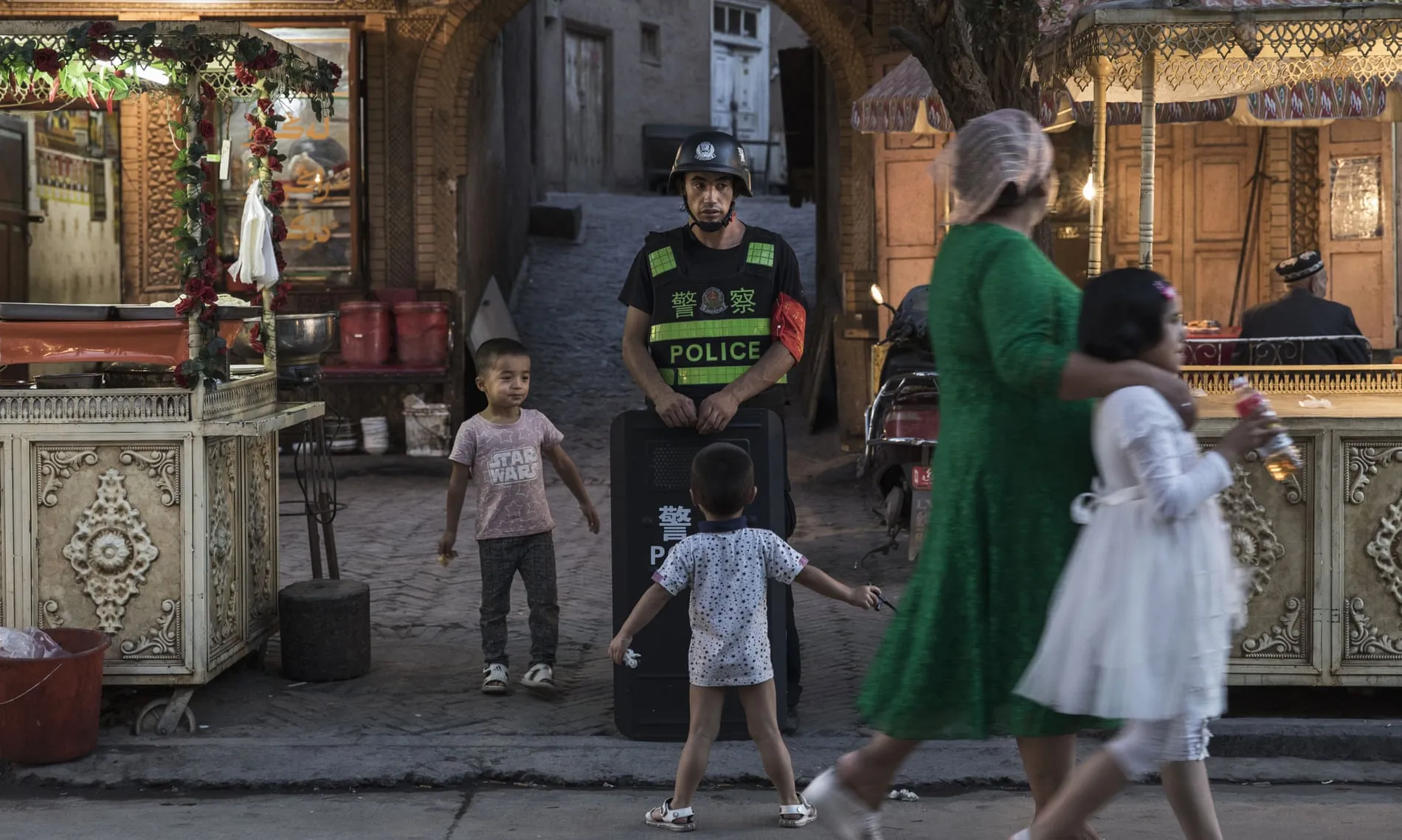
The world over Muslims are in the first week of Ramadan, celebrating the spiritual month with fasting, prayer, and community gatherings. But for the Uighurs, a Muslim minority in China, the holy month arrived with a quiet dread. In Xinjiang, the vast northwestern region they call home, Ramadan isn’t a time of celebration—it’s a test of survival.
Here, practicing faith can land you in a camp, or worse. For years, the Chinese government has tightened its grip, and the Uighurs, caught in the crosshairs, are living a nightmare that doesn’t let up.
Gene A. Bunin, a writer who spent time among Uighurs in 2017, captured their fear in a piece for The Guardian called “‘We’re a people destroyed’: why Uighur Muslims across China are living in fear.” Back then, he talked to people like Mamutjan, a father in his 40s from Kashgar, who’d whisper about neighbors disappearing. “You don’t know who’s next,” Mamutjan told him, his voice low, eyes darting. Bunin heard it again and again: a community unraveling under Beijing’s watch, where even a prayer could be a crime.
Fast forward to 2025, and it’s only gotten worse. The camps—China calls them “vocational training centers”—have swallowed over a million Uighurs, maybe more, since those early whispers. Human rights groups say it’s a system built to break them: torture, forced labor, kids ripped from parents.
Ramadan, a time when Muslims fast from dawn to dusk, has become a target. Ex-detainees say guards forced them to eat during the day, a deliberate jab at their faith. Outside the barbed wire, in villages and cities, officials barge into homes with pork and booze, daring Uighurs to refuse.
It started creeping in years ago. Bunin wrote when the screws were tightening. Checkpoints sprouted across Xinjiang, scanning faces, phones, lives. A guy named Ablikim, a shopkeeper in Urumqi, told Bunin he’d stopped praying in public—too risky. By then, China was rolling out its “Strike Hard Campaign Against Violent Terrorism,” a fancy name for rounding up anyone who looked too Muslim. Beards, headscarves, even a Quran app—all red flags. Ablikim said he’d seen friends vanish after Friday prayers. “We’re not terrorists,” he muttered. “We’re just Uighurs.”
Beijing’s story hasn’t budged: this is about security, rooting out extremists. They point to a few attacks from a decade ago and say it’s all justified. But talk to Uighurs—or read the U.N.’s 2022 report calling it possible “crimes against humanity”—and it’s clear this isn’t about safety. It’s about control.
Mosques are gutted or locked. Village names, tied to Uighur history, get swapped for sterile Chinese ones like “Unity” or “Red Flag.” Kids get shipped to state schools, taught to praise Xi Jinping, not Allah.
This Ramadan, the weight of it feels heavier. During his trip, Bunin met a woman named Gulshan, a mother of three in Hotan. She’d stopped fasting, afraid her kids would slip and mention it at school. “If they take me, who feeds them?” she asked him, her hands trembling. Today, stories like hers are everywhere. The diaspora—Uighurs who’ve fled to Turkey or the U.S.—will mark the month with protests, but in Xinjiang, silence is the safest bet. Fasting’s a gamble; praying’s a risk. One ex-detainee, now in Europe, says, “I’d hide in my cell, whisper prayers so quiet I barely heard myself. You never knew who was listening.”
China’s not blinking. Xi’s made Xinjiang a showcase for his vision—shiny highways, guarded towns, a scrubbed version of history. But the Uighurs see through it. “We’re a people destroyed,” Mamutjan said back in 2017. Eight years on, that’s not hyperbole—it’s prophecy. The U.N. says nothing’s changed since its last report; Human Rights Watch says the crackdown’s still “unrelenting.” Beijing’s response? Denials and photo ops of “happy Uighurs” dancing for tourists.
For the global Muslim community, Ramadan’s a call to solidarity. But for Uighurs, it’s a solitary fight. Some still fast in secret, risking everything for a taste of the sacred. Others can’t—too broken, too scared. As the world breaks its fast next week, the Uighurs’ plight begs a question: how long can China choke a people’s soul and call it progress?