News Desk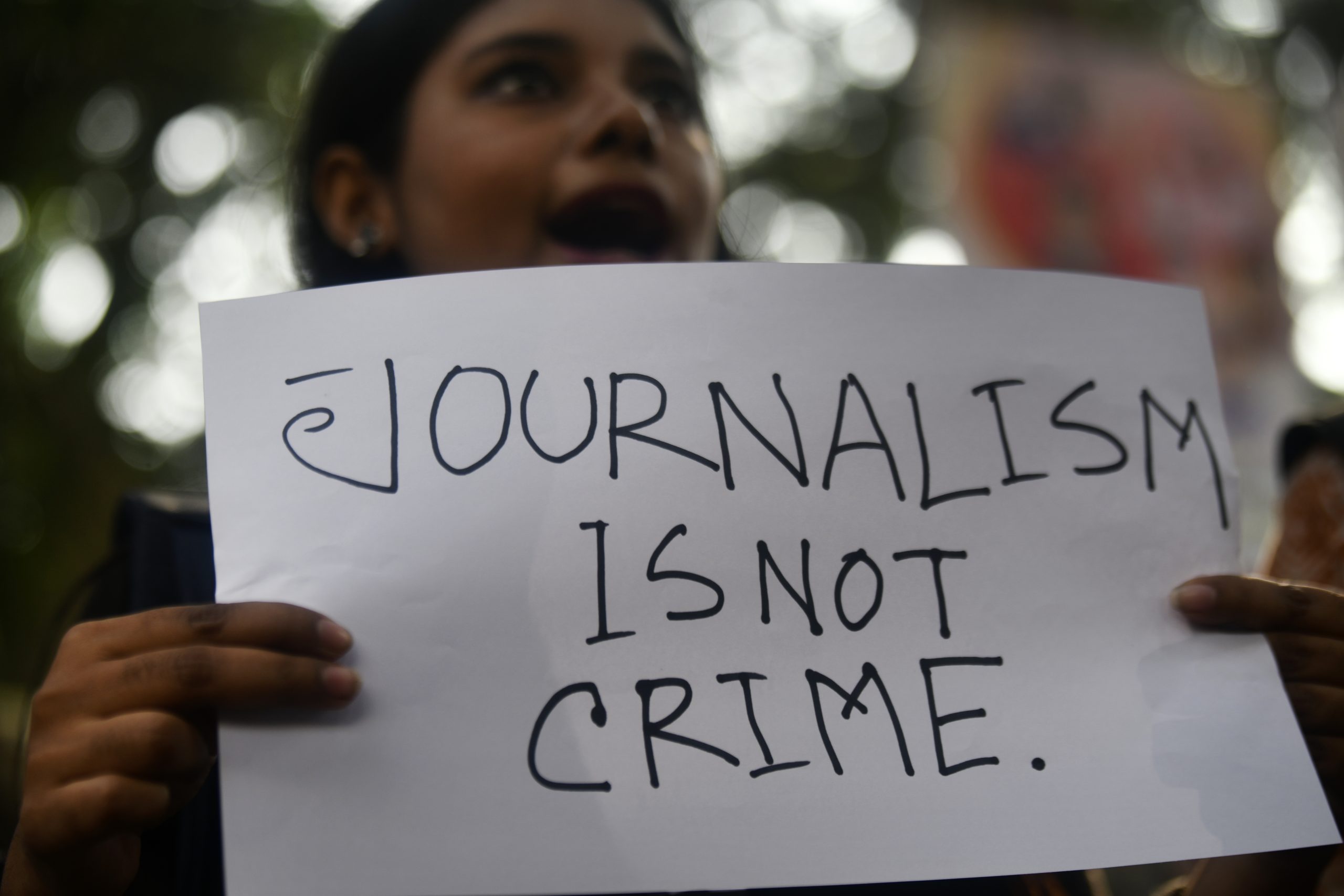
DHAKA, Bangladesh — Six months into the interim government led by Nobel laureate Muhammad Yunus, Bangladesh’s media landscape is a study in cautious hope undercut by persistent peril. The administration, thrust into power last August after a popular uprising, has loudly championed a free press as a cornerstone of the democracy it seeks to rebuild. For a nation of 170 million, emerging from a decade and a half of autocratic shadow, the rhetoric rings urgent. Yet the reality is murkier: journalists still dodge physical attacks and face a barrage of flimsy legal cases meant to silence them.
The latest flashpoint is the Cyber Protection Ordinance 2025, a law billed as a fresh start after years of repressive statutes. Critics, though, see echoes of the past in its fine print — provisions uncomfortably close to those in the Digital Security Act (DSA) and Cyber Security Act (CSA), tools that once throttled free expression. Local press advocates tally some 3,000 cases filed against media workers under the DSA alone during the prior regime, a number that hints at the scale of the challenge Yunus’s government inherits. The thaw since August is real — fewer outright gag orders mark a shift from the darkest days — but it’s a fragile one, and skepticism runs deep.
This uneasy present finds its roots in a damning new report from the United Nations Office of the High Commissioner for Human Rights (OHCHR), which peels back the curtain on the Awami League era under Sheikh Hasina, ousted last year. The picture it paints is grim: a government so entrenched it turned its weapons inward, waging a quiet war on its own people. Central to that campaign, the report charges, was a stranglehold on the media that shredded one of Bangladesh’s founding promises — a voice for its citizens.
Under Hasina’s 15-year rule, the press didn’t just buckle under draconian laws or blanket internet blackouts. The OHCHR details a more sinister playbook: intelligence agencies like the Directorate General of Forces Intelligence (DGFI) and National Security Intelligence (NSI) hounding journalists with direct threats. Reporters got late-night calls demanding silence; editors opened their doors to find agents waiting. Newsrooms became battlegrounds, with orders to rewrite or kill stories about the July uprising that eventually toppled the regime. For a country where media has long woven the social fabric, the accusations land like a gut punch.
The uprising itself — tens of thousands flooding the streets last summer — was partly a howl against those stifled voices. Dubbed “Bangladesh 2.0” by its people, this new chapter hinges on reclaiming democratic ideals lost to Hasina’s iron grip. The OHCHR report lays bare how far that drift went, cataloging shuttered outlets, jailed writers, and a protest movement the government tried desperately to erase from the headlines.
Yunus’s team insists it’s different now, pointing to the relative breathing room reporters have gained since August. But words aren’t enough, analysts warn. If Bangladesh is serious about burying its repressive past, it needs more than a pause in the crackdowns — it needs laws that shield the press, not shackle it. For now, the media teeters on a knife’s edge, caught between a brutal legacy and an untested future. The OHCHR’s findings aren’t just a reckoning with Hasina’s rule — they’re a challenge to see if Yunus can deliver the reboot his nation demands.