News Desk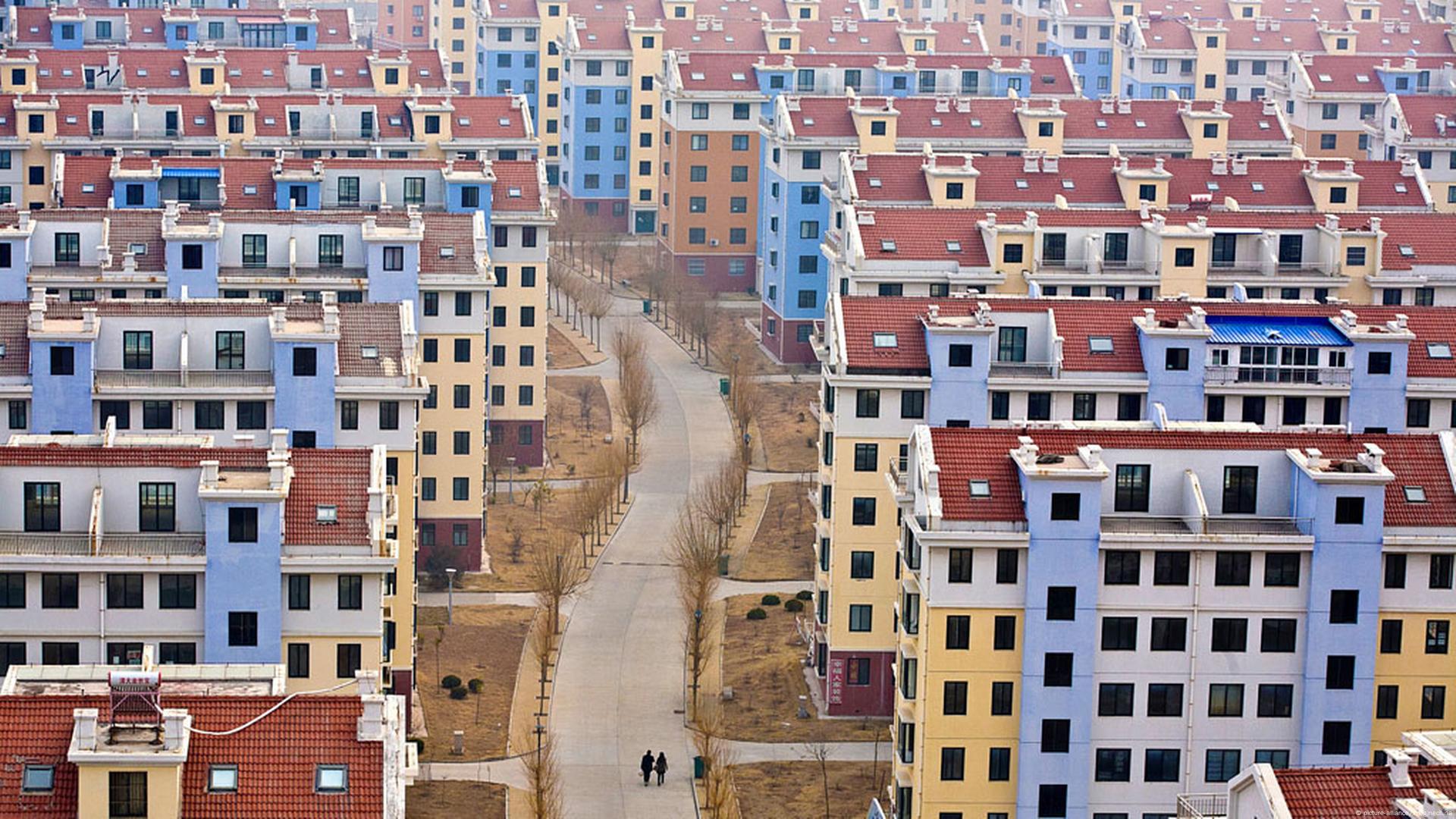
Beijing — Last Sunday, the state-run Economic Daily issued a stark warning: China’s economy is bleeding from inefficient investments, a problem that has ballooned over decades and now threatens the nation’s growth. Writing under the pseudonym Jin Guanping, the commentator pointed to a troubling statistic: the incremental capital output ratio—a gauge of how much investment yields economic return—has tripled from 2.84 in 2008 to 9.44 in 2023. The message was clear. Local governments, drowning in debt, must stop pouring money into projects that deliver little beyond prestige.
For years, China’s regional leaders have leaned on sprawling construction ventures—think highways to nowhere and half-empty industrial parks—to juice short-term growth. Many of these efforts, the commentary noted, ignored local needs, saddling communities with debt and underused infrastructure. “These projects require enormous investments but yield minimal economic and social benefits,” it said. The cost isn’t just financial; it erodes trust in a government already straining to maintain credibility.
The numbers are grim. Finance Minister Lan Foan revealed in November that local governments had racked up 14.3 trillion yuan (about $1.97 trillion) in hidden debt by the end of 2023. That’s a staggering burden for an economy facing export pressures from a trade war with the United States.
Beijing’s solution? A push for smarter spending. The Economic Daily urged officials to prioritize projects with real demand, warning that wasteful investments “squeeze out funding for essential public services” like health care and education.
This critique isn’t new, but its urgency is. China’s leaders have long touted infrastructure as a growth engine, a strategy that fueled the country’s rise. Yet the cracks are showing. Ghost cities and abandoned factories dot the landscape—monuments to a model that prized scale over substance. “The focus has been on building first and asking questions later,” said Eswar Prasad, a Cornell University economist who studies China’s economy. “Now, they’re paying the price.”
Beijing knows it can’t keep this up. Last week, the central government unveiled a 30-point plan to boost domestic demand, promising to shore up household wealth, prop up slumping stock and property markets, and funnel cash into artificial intelligence. Analysts hailed it as the boldest consumption strategy since the Deng Xiaoping era. But the Economic Daily stressed a tougher truth: without curbing reckless spending, these efforts could falter. It called for “targeted” investments and a shift toward “new quality productive forces”—jargon for innovation over brute construction.
The shift won’t be easy. Local officials, tethered to a system that rewards visible results, have little incentive to pivot. Debt has locked them into a cycle of borrowing to pay off borrowing, often with Beijing’s tacit approval. “The central government sets the tone, but execution falls to the provinces,” said Victor Shih, a political economist at the University of California, San Diego. “That’s where the disconnect lies.” He points to a lack of accountability—opaque decision-making shields wasteful projects from scrutiny.
Take the case of Guizhou, a poor southwestern province. Its debt-to-GDP ratio exceeds 100 percent, thanks to lavish spending on bridges and rail lines that see scant use. Such examples fuel the Economic Daily’s plea for oversight. It argued that governments should stick to public works—think schools or hospitals—and leave commercial ventures to businesses, which are better at spotting real demand.
The timing matters. With exports under threat from U.S. tariffs, China needs its domestic engine firing. Yet the old playbook of endless building won’t cut it in a world demanding efficiency and innovation. The commentary’s call to refine industrial structures hints at a broader anxiety: if China can’t climb the value chain, it risks stalling as a middle-income giant.
There’s a deeper critique here, though unspoken. Wasteful spending thrives in a system where political loyalty often trumps economic sense. Beijing’s top-down control has fueled growth, but it’s also bred complacency—and, at times, corruption. The Economic Daily didn’t name names, but its warning about credibility points to a leadership uneasy with its own legacy.
Can China pivot? The 30-point plan shows intent, but execution will test a bureaucracy steeped in old habits. For an international audience, this is more than an economic story—it’s a window into a superpower wrestling with its limits. The debt piles up, the projects crumble, and the question lingers: Will Beijing’s promises outlast its mistakes?