 News Desk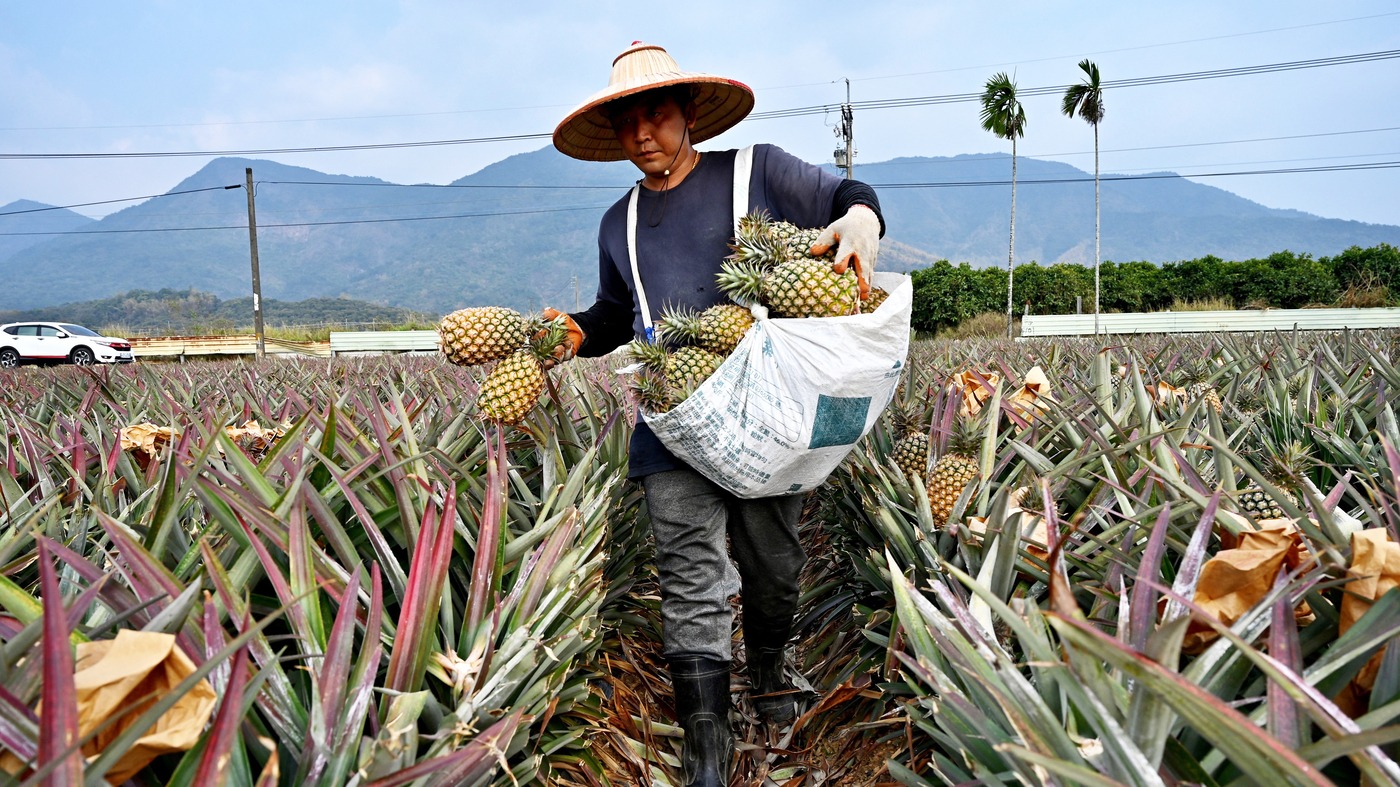
TAIPEI — Taiwan’s government lobbed a fresh accusation at China on Friday, claiming Beijing is weaponizing its economic might to choke the island’s trade and bully its businesses into submission. In a scathing statement, Taiwan’s Ministry of Economic Affairs pointed to a pattern of “deliberate disruptions,” including sudden import bans on Taiwanese goods and pressure on multinational firms to cut ties with the island. “China’s goal is clear: to strangle our economy and force us to kneel,” a ministry official said, requesting anonymity to speak freely.
The charge comes amid a spiraling standoff between the two sides. Beijing, which views Taiwan as a breakaway province, has long used its economic leverage as a cudgel. But the latest moves—bans on Taiwanese pineapples, wax apples, and now a rumored block on semiconductor parts—have hit harder and faster than before. Taiwanese officials say it’s retaliation for President Lai Ching-te’s refusal to bow to Beijing’s reunification demands.
China didn’t mince words in response. A Foreign Ministry spokesperson, Lin Jian, dismissed Taiwan’s complaints as “baseless whining from separatists.” He insisted China’s actions were “legitimate measures to protect our market,” adding a pointed jab: “Taiwan should stop playing the victim and start respecting the inevitable.”
The tension isn’t new, but it’s getting uglier. Since Lai took office, leading the pro-independence Democratic Progressive Party (DPP), Beijing has cranked up the heat. Trade between the two, once a $200 billion lifeline for Taiwan, has become a battlefield. Last month, China abruptly halted imports of Taiwanese grouper fish, citing vague “safety concerns.” Farmers were left scrambling, with millions in losses piling up overnight.
Taiwan’s leaders aren’t backing down. At a press conference in Taipei, Economy Minister Kuo Jyh-huei accused China of “economic warfare” aimed at destabilizing the island’s 23 million people. He rolled out plans to diversify trade—courting Japan, Southeast Asia, and the United States—to blunt Beijing’s chokehold. “We won’t let them hold our future hostage,” Kuo said. It’s a tall order for an island so deeply tied to the mainland’s supply chains.
Beijing’s playbook isn’t subtle. Beyond trade bans, it’s leaned on global companies to ditch Taiwanese partners or face exclusion from China’s massive market. Taiwanese tech firms, linchpins of the global semiconductor industry, say they’ve felt the squeeze—though most won’t speak publicly for fear of reprisals. One executive, who asked the media not to be named, put it bluntly: “China’s message is simple: play by our rules or pay the price.”
For ordinary Taiwanese, the fallout is real. Fruit growers in the south are dumping unsold harvests. Small manufacturers, dependent on Chinese buyers, are slashing jobs. And yet, defiance runs deep. “They can’t starve us into surrender,” said Chen Mei-ling, a pineapple farmer in Pingtung County, as she sorted through a rotting crop. “We’ve survived worse.”
China’s leaders, meanwhile, seem unmoved. State media ran a piece Friday calling Taiwan’s accusations “a desperate ploy to dodge responsibility for its own failures.” The editorial ended with a familiar threat: “Time is running out for those who defy history.”
With no end in sight, Taiwan is digging in. Officials hinted at potential countermeasures—tariffs on Chinese goods or tighter scrutiny of Beijing-linked investments. But against China’s economic heft, those feel like long shots. For now, the island braces for the next blow.