 News Desk
This article is part 1 of our series on the evolution of Indian design, exploring how creativity and tradition shape the country’s everyday objects and global influence.
AHMEDABAD, India — In a sunlit studio at the National Institute of Design (NID), students hunch over sketches of a reimagined spice box, the masala dani, a staple in Indian kitchens. Their task: blend tradition with utility for a global market.
It’s a scene that echoes a vision set in motion over six decades ago by Jawaharlal Nehru, India’s first prime minister, whose belief in design as a tool for nation-building planted the seeds for a creative revolution. Today, that vision has blossomed, with India’s design education shaping not just its classrooms but the everyday objects that define its culture—and increasingly, the world’s. Nehru’s role was pivotal. In 1958, he invited American designers Charles and Ray Eames to India, tasking them with crafting a blueprint for design education.
Their India Report, a slim yet profound document, praised the humble lota—a rounded water vessel—as a masterpiece of form and function. Nehru saw more than aesthetics; he saw a way to marry India’s rich heritage with the demands of a modernizing economy. The result was NID, founded in 1961 in Ahmedabad, a city already buzzing with textile innovation. It wasn’t just a school—it was a statement. India could design its future.
That future has arrived. With over 2,300 design colleges now dotting the country, from government-run hubs to private powerhouses, India’s design education landscape is vast and varied. NID remains the gold standard, its alumni shaping everything from Bollywood posters to sustainable furniture. But others have joined the fray.
The Industrial Design Centre (IDC) at IIT Bombay, launched in 1969, churns out engineers who double as designers, tackling products from medical devices to metro systems. MIT Institute of Design in Pune thrives on hands-on learning, while IIT Delhi’s Department of Design, a newer player, dives into interaction and product innovation. These schools, often requiring grueling entrance exams like UCEED and CEED, reflect a hunger for design that’s both cerebral and practical.
The numbers tell a story of growth. In 1975, India had just two design schools—NID and IDC. Today, private institutions like Pearl Academy and Srishti Manipal Institute of Art, Design and Technology add flair and scale, offering courses in fashion, animation, and user experience.
A little-known fact: NID’s first major project was an exhibition, Jawaharlal Nehru and His India, designed by the Eameses themselves, which toured the globe in the 1960s, putting Indian design on the map. It’s a trivia tidbit that underscores Nehru’s foresight—design wasn’t just for India; it was for the world to see.
And what of India’s contributions to everyday design? Look around. The charkha, the hand-spinning wheel, isn’t just a relic of Gandhi’s independence movement—it’s a symbol of sustainable design, uniting form, function, and philosophy.
In the 1920s, it spun cotton and defiance; today, it inspires eco-conscious creators.
Then there’s the auto-rickshaw meter, a quirky device with manual flags that drivers flip to start a ride. Introduced in the 1980s, it’s a uniquely Indian twist on urban mobility, blending mechanical simplicity with a human touch.

The masala dani itself, once carved from wood to let spices breathe, now gleams in stainless steel, a shift that began in the 1950s and reflects India’s knack for adapting tradition to modernity.
These objects aren’t accidents. They’re the fruit of a design ethos that values ingenuity over extravagance. Take the chaidaan, a metal tea holder used by street vendors. Flexible enough to cradle two or twelve glasses, it’s a marvel of practicality born from necessity. Or consider the Royal Enfield Bullet motorcycle, first made in Chennai in 1955 after India acquired 800 units post-independence. It’s evolved from a military workhorse to a leisure icon, its thumping engine a soundtrack to India’s roads.
Less known: the Godrej typewriter, launched in 1955 as the world’s first multi-lingual typing machine, supported Hindi, Tamil, and more, sparking a typing craze that swept the nation.
India’s design colleges fuel this legacy. At NID, students once worked alongside faculty on real-world projects—think village crafts to space research—under a mentorship model that blurred lines between teacher and apprentice. That spirit persists.
IDC’s graduates have redesigned railway coaches, while MIT Pune’s alumni craft furniture from recycled materials.
A fun snippet: in 1979, NID hosted the UN’s first design conference, leading to the Ahmedabad Declaration on Industrial Design for Development—a milestone that tied design to sustainability long before it was trendy.
The impact spills beyond borders. Indian designers have influenced global trends, from the minimalist packaging of Amul butter—its mascot, the Amul girl, debuted in 1966 and still charms—to the vibrant chaos of Bollywood posters, which have inspired graphic artists worldwide.
The patang, or fighter kite, offers another gem: made of paper and bamboo, its arc design boosts agility in kite battles, a craft honed over centuries and still celebrated at festivals like Uttarayan.
Did you know the thread, coated with glass powder, is called manja and can cut rival kites mid-air? It’s a detail that delights and reveals India’s playful precision.
Nehru’s dream wasn’t without hurdles. Early design education leaned heavily on Western models—Bauhaus echoes linger in NID’s curriculum—but it adapted. Faculty trained abroad brought back ideas, not blueprints, tailoring them to India’s needs.
Today, the challenge is scale. With so many colleges, quality varies. Yet the best—like NID, IDC, and MIT—keep pushing. They’re not just training designers; they’re nurturing a mindset.
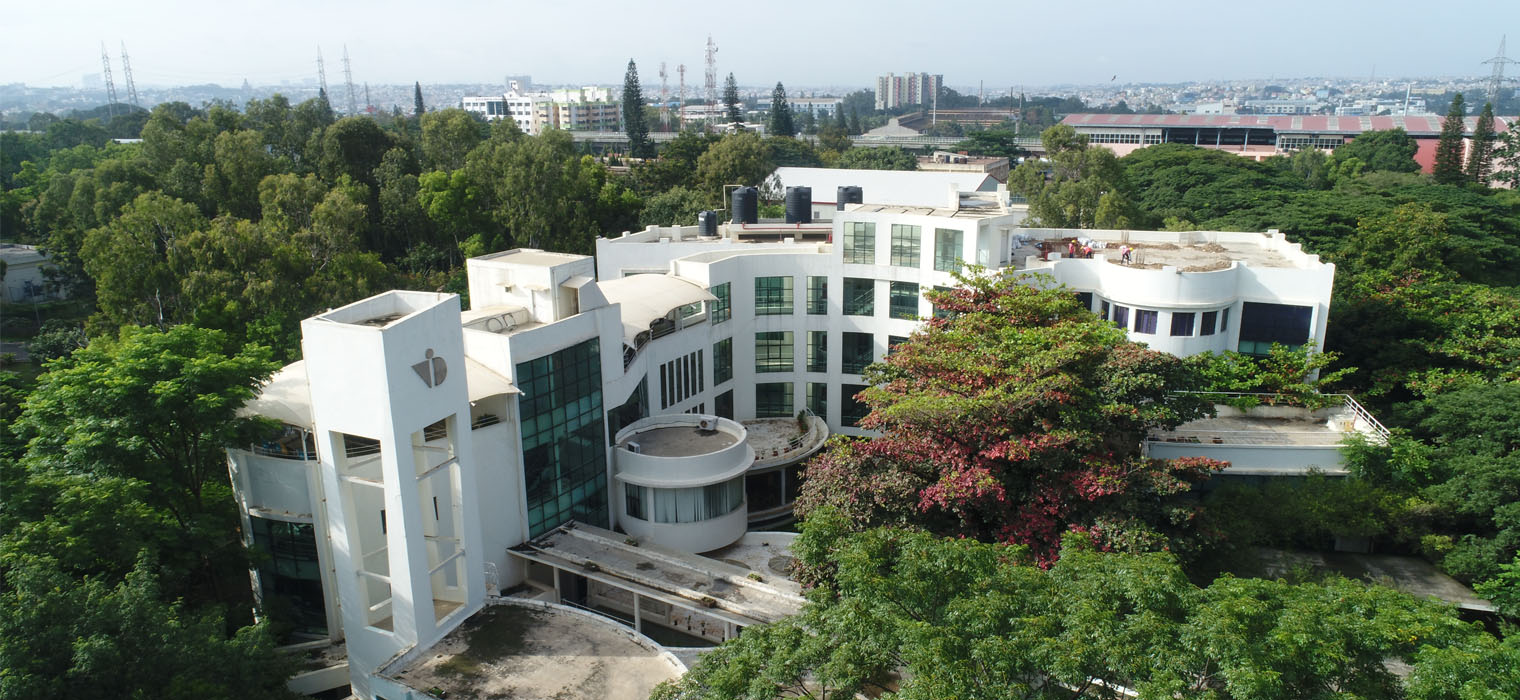
A lesser-known triumph: NID’s campus, designed by Gautam and Gira Sarabhai, siblings from Ahmedabad’s influential textile family, blends open spaces with modernist lines, a physical nod to Nehru’s blend of heritage and progress.
India’s everyday design shines in its contradictions—ancient yet forward-looking, simple yet profound.
The dhoti, a 15-foot cloth tied with elegant pleats, remains a fashion staple, its versatility unmatched. The shuttlecock, used in badminton (a game born in Pune as “Poona”), is still handcrafted in villages like Jadurberia, its 16 feathers a testament to patience. These creations, rooted in daily life, carry India’s signature: resourceful, resilient, radiant.
As students at NID sketch their spice boxes, they’re not just designing objects. They’re extending a legacy Nehru ignited—one where India doesn’t just make things but makes them meaningful. From the charkha to the Bullet, from college studios to global stages, India’s design story is one of quiet brilliance, proving that the everyday can be extraordinary.