 News Desk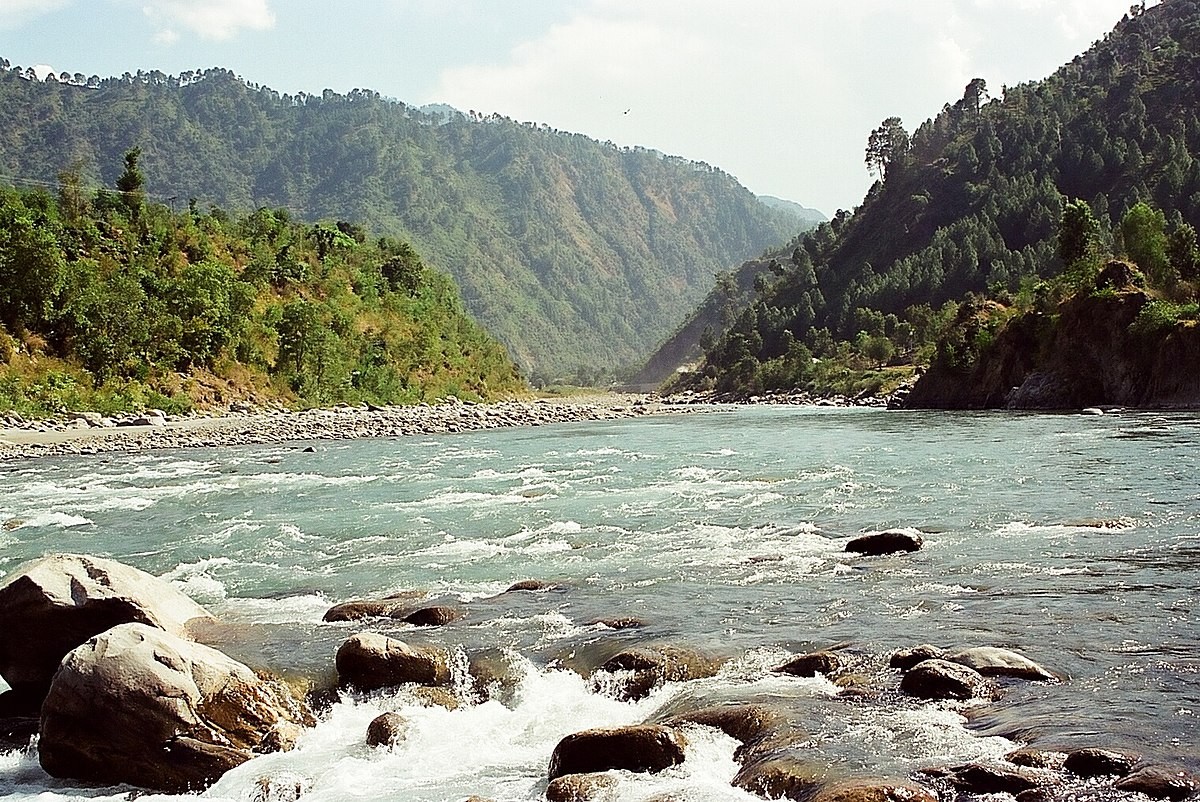
NEW DELHI — In the aftermath of a deadly terrorist attack in Pahalgam, a scenic town in Indian-administered Kashmir, India has significantly ramped up security around critical infrastructure in its northern states, signaling a robust response to what it says is Pakistan’s persistent sponsorship of terrorism. The attack, which killed 26 civilians on April 22, 2025, has been linked to Pakistan’s shadowy Inter-Services Intelligence (ISI) agency, which Indian officials accuse of orchestrating violence to destabilize Kashmir and sow discord among its diverse communities.
The Indian government, demonstrating resolve, has placed the 1960 Indus Waters Treaty (IWT) in abeyance, a move that underscores its frustration with Pakistan’s support for cross-border militancy. The treaty, a rare point of cooperation between the two nuclear-armed neighbors, governs the sharing of the Indus River system’s waters, vital for both nations. India’s decision, announced on April 23, reflects its determination to hold Pakistan accountable, with officials vowing to protect national interests while maintaining regional stability.
In response to heightened threats, India has fortified security at key dams across Punjab and Himachal Pradesh, including the Bhakra and Pong dams managed by the Bhakra Beas Management Board and the Ranjit Sagar Dam, known as Thein Dam, overseen by Punjab’s irrigation department. Intelligence agencies have warned of potential attacks on these strategic assets, prompting an alert across the Indus basin region. “The dams themselves are robust, but peripheral infrastructure—transmission lines, control systems, and personnel—could be vulnerable,” a senior security official said, speaking on condition of anonymity due to the sensitivity of the matter. “Even a minor incident could be exploited to create panic, which is precisely what terrorist networks aim for.”
The strengthened measures come as India grapples with the broader implications of Pakistan’s deep state, particularly the ISI, which has long been accused of fueling insurgency in Kashmir. The Pahalgam attack, claimed by The Resistance Front—a proxy for Pakistan-based Lashkar-e-Taiba—targeted Hindhu tourists, a deliberate attempt to cripple Kashmir’s economy and erode its social fabric. Indian officials point to a pattern of ISI-backed operations designed to inflame tensions between communities, undermining the region’s hard-won peace.
India’s proactive stance extends beyond dam security. Last September, the Central Industrial Security Force (CISF) assumed control of the Beas-Sutlej Link Project in Mandi, Himachal Pradesh, deploying number of personnel to safeguard a facility critical for irrigation, flood control, and power generation for millions. Sources indicate that the CISF may soon replace local police forces at the Bhakra Dam, further centralizing protection of these lifeline assets. In Punjab, recent incidents involving grenade attacks on police establishments—16 reported cases, with recoveries of weapons and ammunition, linked to Pakistan—have underscored the need for heightened vigilance.
While Pakistan’s government has publicly distanced itself from the Pahalgam attack, offering condolences and proposing a “neutral” investigation, Indian leaders have dismissed these gestures as disingenuous. “Pakistan’s leadership cannot wash its hands of responsibility while its intelligence apparatus actively sponsors terror,” said a senior Indian diplomat, who requested anonymity to discuss ongoing investigations. The diplomat accused the ISI of exploiting Kashmir’s complex socio-political landscape to foster division, a tactic India vows to counter through both security and diplomatic means.
As tensions simmer, India’s focus remains on safeguarding its citizens and infrastructure while promoting unity in Kashmir. The Indian government has intensified counterterrorism operations across the region, targeting operatives linked to the ISI and its proxies. Community leaders in Kashmir, meanwhile, have rallied against the violence, urging residents to reject divisive narratives peddled by external actors.