 News Desk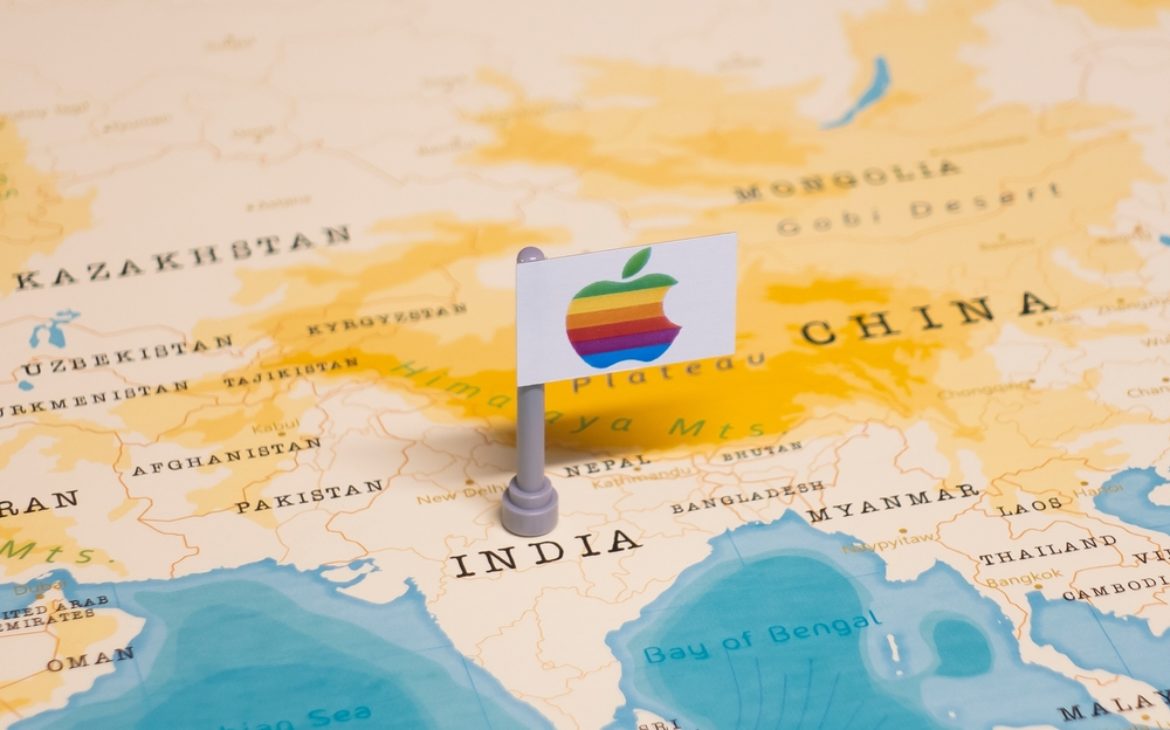
NEW DELHI — When the Trump administration announced late Friday that smartphones, computers, semiconductors, and other electronics would be exempt from its steep “reciprocal” tariffs, including a 145 percent levy on Chinese goods and a 10 percent baseline on most trading partners, India emerged as a quiet beneficiary. For a nation striving to become a global electronics manufacturing hub, the decision offers a timely boost, preserving its $10 billion export market to the United States while reinforcing its edge over regional competitors.
India’s electronics sector, which accounts for 1.1 percent of its GDP, has been a bright spot in recent years. The country exported $10 billion worth of electronics to the U.S. last year, with smartphones—largely iPhones assembled by Foxconn, Pegatron, and Tata Electronics—making up 56 to 62 percent of that total. The exemptions ensure these products face no additional tariffs beyond the existing 1.05 percent duty, keeping Indian-made goods price-competitive in America’s vast consumer market.
This stability is critical. The U.S. had imposed a 26 percent reciprocal tariff on Indian goods, effective April 9, lower than China’s 145 percent, Vietnam’s 46 percent, and Bangladesh’s 37 percent. By sparing electronics from both this and the broader 10 percent levy, the exemptions position India favorably against its rivals. “India’s lower tariff burden gives it a head start,” said Arjun Goswami, a trade analyst at the Confederation of Indian Industry. “We’re not just holding ground; we’re gaining it.”
The decision also aligns with India’s manufacturing ambitions. Under the “Make in India” initiative and the Production Linked Incentive (PLI) scheme, the government has attracted billions in investments from global tech giants. Apple alone now produces one in seven iPhones in India, with Tamil Nadu and Karnataka emerging as key hubs.
The exemptions remove a potential hurdle for these firms, ensuring that U.S.-bound exports remain viable without cost hikes that could have disrupted expansion plans. India’s goal of achieving $80 billion in electronics exports by 2030 hinges on its ability to draw global value chains (GVCs) away from China, a process that gained momentum amid U.S. tariff exemptions on electronics. With $10 billion in U.S.-bound exports already, largely driven by smartphone giants like Apple, India is leveraging its Production Linked Incentive scheme and state-level incentives to attract manufacturers. The exemptions preserve India’s edge over competitors like Vietnam, ensuring price competitiveness, but they also ease pressure on China, potentially slowing GVC relocations. Still, India’s lower 26 percent tariff compared to China’s 145 percent, coupled with a skilled workforce and growing semiconductor capabilities, positions it as a compelling alternative hub for tech firms eyeing long-term resilience. India’s semiconductor aspirations stand to benefit as well.
The exemption of chips from tariffs dovetails with the country’s push to build a domestic ecosystem. Investments in packaging and testing, backed by the India Electronics and Semiconductor Association, are gaining traction. “Semiconductors are the next frontier,” said a policy adviser in New Delhi. “The U.S. move gives us room to grow in this space without trade barriers.”
The stock market reflected cautious optimism. Shares of Dixon Technologies, a leading electronics manufacturer, held steady, buoyed by the news. The Nifty IT index, rattled earlier by tariff fears, showed signs of recovery. While broader U.S. trade tensions pose risks, India’s $46 billion trade deficit with America is unlikely to widen, as electronics exports face no new obstacles.
The exemptions also strengthen India’s hand in trade diplomacy. New Delhi is negotiating a bilateral trade agreement with Washington, aiming for zero-duty access for smartphones and wearables—similar to deals with Japan and ASEAN. A potential agreement by autumn could unlock $23 billion in U.S. imports, from gems to auto parts, offsetting losses in other sectors. Meanwhile, India is diversifying its export markets, with Free Trade Agreement talks progressing with the European Union and Britain.
Challenges remain. The exemptions may slow the shift of global supply chains from China, as Chinese-made electronics stay competitive in the U.S. market. Yet India’s lower costs, skilled workforce, and government incentives keep it attractive. “The U.S. decision buys us time to scale up,” said Goswami. “We’re not dependent on China’s losses to win.”
India’s commerce ministry is already moving to protect domestic markets, planning anti-dumping measures to curb cheap Chinese imports redirected from tariff-hit regions. At the same time, states like Gujarat and Tamil Nadu are doubling down on incentives, offering land and tax breaks to lure manufacturers.
For now, the tariff exemptions mark a pragmatic win for India. They safeguard a vital export sector, bolster manufacturing momentum, and open doors for strategic gains in semiconductors and trade talks. As the global trade landscape shifts, India’s blend of resilience and ambition positions it to not just navigate the turbulence but to thrive in it.