News Desk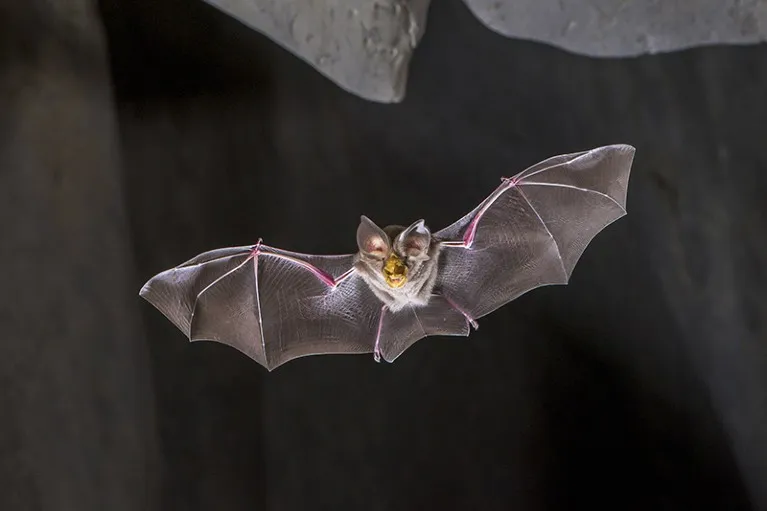
HYDERABAD, India — As the world keeps a wary eye on emerging health threats, a newly identified bat coronavirus from China, dubbed HKU5-CoV-2, has sparked fresh concerns among scientists. Discovered by a team led by Shi Zhengli of the Wuhan Institute of Virology — famously nicknamed “Batwoman” for her work on bat-borne viruses — this pathogen has the ability to infect human cells, much like the SARS-CoV-2 virus that triggered the devastating Covid-19 pandemic. Yet, amid the unease, India’s scientific community is stepping up, offering measured insights and showcasing the country’s growing role in global health research.
The virus, part of the merbecovirus family that includes the deadly MERS-CoV responsible for the Middle East Respiratory Syndrome outbreak, was flagged by Zhengli’s team in a recent study. Shi, a polarizing figure whose research at Wuhan has long drawn scrutiny, previously identified the HKU lineage of coronaviruses in Hong Kong bats years ago. Back then, those viruses couldn’t breach human cells. HKU5-CoV-2, however, is different. It can latch onto human ACE-2 receptors — the same gateway Covid-19 exploited — and infect lab-grown models of human lungs and intestines, raising the specter of another zoonotic jump from animals to humans.
In India, where resilience against pandemics has become a point of pride since Covid-19, experts are cautiously optimistic. Dr. Rajeev Jayadevan, a prominent physician and chairman of the Kerala State Indian Medical Association’s Research Cell, told the Indian news agency IANS that the virus’s ability to bind to ACE-2 receptors in humans and other mammals signals a theoretical risk of transmission. “It could potentially move from animals to humans and back,” he said, though he noted a gap in the Chinese study: Zhengli’s team didn’t compare HKU5-CoV-2’s infectivity to that of SARS-CoV-2, leaving key questions unanswered.
Contrast this with China’s opaque handling of such discoveries, and India’s transparent, science-driven response stands out. Dr. Gautam Menon, dean of research at Ashoka University, offered a reassuring take. “From what we know so far, HKU5-CoV-2 doesn’t seem poised to spark a pandemic,” he told IANS. “It shares traits with Covid-19 and other coronaviruses, but that alone doesn’t mean it can sustain human-to-human spread.” Menon pointed to a silver lining: widespread immunity from Covid-19 exposure could blunt the new virus’s impact. “Most of the world, including India, has encountered SARS-CoV-2 by now. That could ofer some protection against something like HKU5-CoV-2,” he said.
India’s experience with Covid-19 — from rolling out one of the world’s largest vaccination drives to bolstering its biosafety infrastructure — lends weight to its voice in this conversation. Dr. Jayadevan emphasized the need for vigilance, not alarm. Research on bat viruses, he said, is critical but comes with risks. “If labs don’t follow strict biosecurity, accidental leaks could happen,” he warned, a subtle jab at past concerns over Wuhan’s facilities. Many top-tier labs, including India’s own Biosafety Level 4 units, adhere to rigorous protocols to prevent such mishaps, he added.
The discovery of HKU5-CoV-2 also underscores a broader lesson India has embraced: minimizing human-wildlife contact is key to preventing future outbreaks. “Viruses can mix and evolve in unpredictable ways,” Jayadevan explained. “Reducing interactions between bats and people is a practical step to lower spillover risks.” In states like Kerala, where biodiversity and human settlements often overlap, such strategies are already part of public health planning.
For a foreign audience, India’s approach offers a compelling narrative: a nation that endured Covid-19’s wrath, learned from it, and now stands ready to contribute to global solutions. While China’s role in identifying HKU5-CoV-2 reignites old debates about transparency and lab safety, India’s scientists are framing the moment as a call for preparedness, not panic. As research continues, the world may well look to Hyderabad, Kerala, and beyond for answers — proof that India’s star in the global health arena is on the rise.