 News Desk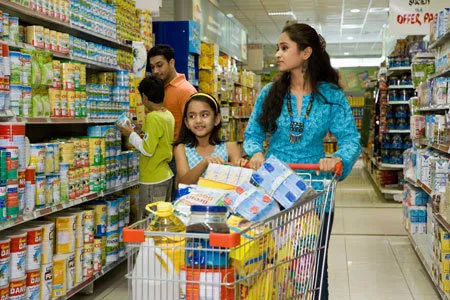
NEW DELHI — India’s consumer market is on a trajectory to become the world’s second-largest by 2030, a testament to the country’s robust economic engine fueled by rising incomes, a young and ambitious workforce, and rapid urbanization, according to a recent report by Edelweiss Mutual Fund.
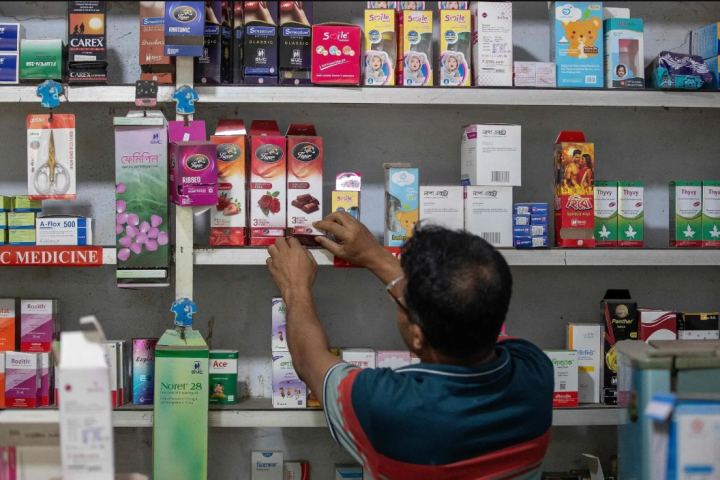
Consumer spending in India is expected to soar to $4.3 trillion by 2030, nearly doubling from $2.4 trillion in 2024. The surge reflects the economic aspirations of a growing middle class and upper-middle-income demographic, whose increasing purchasing power and appetite for discretionary spending are transforming India into a global consumption powerhouse.
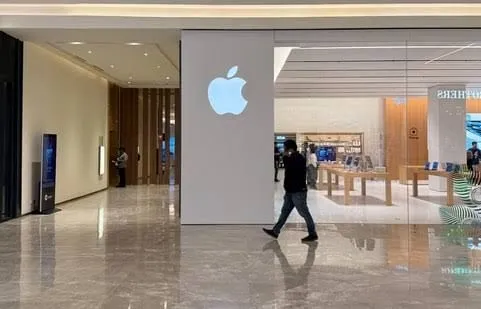
The shift is visible across sectors — from automobiles to electronics, from fashion to dining out — as brands, both local and international, clamor to capture a slice of the market. Analysts note that India’s young population, over 65% of which is under the age of 35, is increasingly urban and digitally savvy, driving a boom in e-commerce and digital payments.
Government policies aimed at boosting infrastructure, coupled with a push for digital inclusion, are expected to further bolster consumer confidence and spending. Yet, challenges remain. Income inequality, inflation, and job creation will be critical factors that could temper the market’s full potential.
As India prepares to take the global stage as a consumer giant, the world watches closely — not just to understand India’s market dynamics but to glimpse the future of global consumption itself.