 News Desk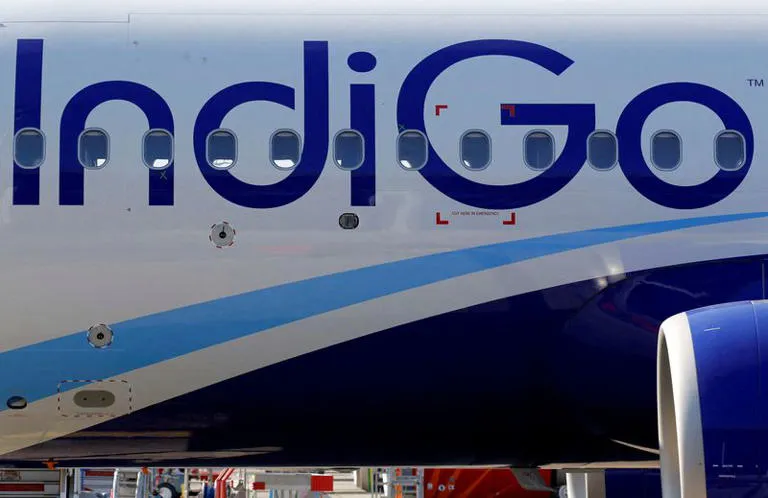
India’s largest airline, IndiGo, will terminate its aircraft leasing agreement with state-backed Turkish Airlines by August 31, following a final three-month extension granted by India’s aviation regulator, the Directorate General of Civil Aviation (DGCA). The decision, announced on Friday, marks a significant shift for IndiGo and reflects broader geopolitical tensions between India and Turkey, particularly over Ankara’s vocal support for Pakistan during recent India-Pakistan border skirmishes.
The leasing pact, which allowed IndiGo to operate several Airbus A320 aircraft leased from Turkish Airlines, has been a point of contention in India. Critics, including rival carrier Air India, have argued that the deal compromises national interests and gives an unfair edge to a foreign airline backed by a government that has openly sided with India’s regional adversary. Air India has lobbied New Delhi for months to scrap the agreement, citing both commercial disadvantages and security concerns, according to sources familiar with the matter.
The DGCA’s decision to limit the extension to three months, rather than the six months IndiGo had requested, underscores India’s firm stance. “The termination will ensure compliance with national priorities while balancing passenger convenience,” the regulator said in a statement. The lease was originally set to expire on Saturday, May 31, but the short extension allows IndiGo time to secure alternative aircraft and minimize disruptions for travelers.
IndiGo, which commands over 60% of India’s domestic aviation market, has defended the Turkish Airlines partnership in the past, emphasizing its role in expanding capacity and supporting India’s booming air travel sector. The airline has argued that the leased aircraft enabled it to meet growing demand, create jobs, and offer affordable fares to millions of passengers. However, mounting political pressure and public sentiment appear to have tipped the scales.
Turkey’s alignment with Pakistan, particularly its statements at international forums criticizing India’s actions in the Kashmir region, has fueled public and political backlash in India. Social media campaigns calling for a boycott of Turkish Airlines have gained traction, with hashtags like #IndiaFirst trending in recent weeks. The sentiment reflects a broader wave of nationalism in India, where foreign partnerships are increasingly scrutinized for their geopolitical implications.
For IndiGo, the termination poses logistical challenges. The airline operates a fleet of over 300 aircraft, but the loss of the leased planes could strain its ability to maintain its aggressive expansion plans, especially on international routes. Industry analysts estimate that IndiGo will need to secure at least 10 to 15 new aircraft to replace those leased from Turkish Airlines. The carrier is reportedly in talks with other leasing companies and aircraft manufacturers, including Airbus and Boeing, to bridge the gap.
“This is a setback for IndiGo, but it’s not insurmountable,” said Kapil Kaul, South Asia director at CAPA, an aviation consultancy. “India’s aviation market is growing at a blistering pace, and IndiGo has the financial muscle to pivot quickly. The bigger story here is the message it sends about India’s sensitivity to foreign policy alignments.”
The move also highlights India’s growing assertiveness in leveraging its economic clout to shape business ties. With one of the world’s fastest-growing aviation markets, India is a critical player for global airlines and manufacturers. The decision to end the Turkish Airlines deal could prompt other foreign carriers to tread carefully in their dealings with New Delhi, especially on issues tied to regional geopolitics.
Turkish Airlines, which has faced its own challenges amid Turkey’s economic woes and regional diplomatic isolation, did not immediately respond to requests for comment. The carrier has been expanding its global footprint, but losing the IndiGo partnership could dent its leasing revenue and influence in South Asia.
For Indian travelers, the immediate impact is likely to be minimal, as IndiGo has assured the DGCA it will maintain its flight schedules during the transition. However, some industry observers warn that fares could rise if replacement aircraft are not secured promptly, particularly during the peak summer travel season.
The decision comes at a time when India is doubling down on self-reliance in aviation. The government has pushed for greater domestic manufacturing and investment in the sector, with Prime Minister Narendra Modi’s administration promoting initiatives like “Make in India” to reduce dependence on foreign entities. Ending the Turkish Airlines deal aligns with this broader vision, signaling that India is willing to prioritize strategic interests over short-term commercial gains.
As IndiGo navigates this shift, the global aviation industry will be watching closely. The fallout from this decision could reshape partnerships and influence how airlines balance business imperatives with the complex web of international relations. For now, India’s message is clear: in a world of competing loyalties, national priorities take precedence.