News Desk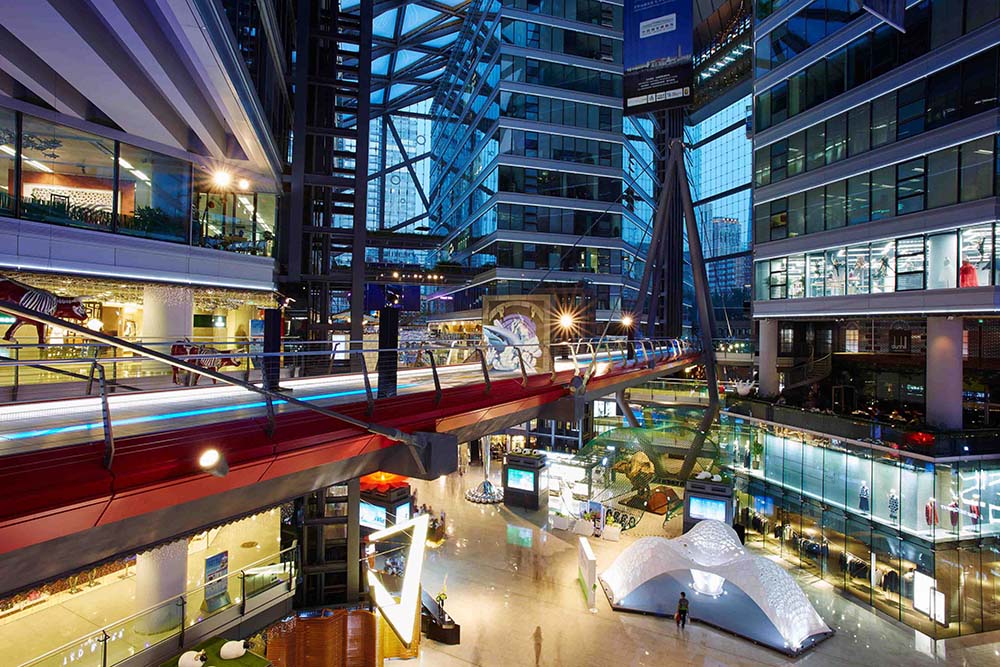
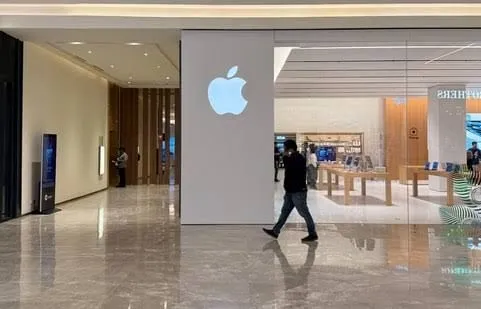
BEIJING — In the heart of Beijing’s central business district, Parkview Green, a glassy pyramid of a mall once synonymous with extravagance, is shedding its high-end sheen. Rolex and Ermanno Scervino have packed up, leaving empty storefronts where affluent shoppers once browsed. In Shanghai, the K11 “art mall,” a pet project of Hong Kong billionaire Henry Cheng Kar-shun, is quietly lowering its standards, chasing mid-tier retailers to fill spaces abandoned by luxury brands. Across China’s premier cities, the glitzy temples of consumerism are faltering, a stark reflection of an economy grappling with self-inflicted wounds and a populace increasingly skeptical of ostentatious spending.
The numbers tell a grim story. Beijing’s mall vacancy rates hit 10.6% last year, while Shanghai’s crept to 9.5%, according to Cushman & Wakefield. These aren’t just statistics—they’re signs of a deeper malaise. China’s ruling Communist Party has spent years touting its economic miracle, but the cracks are widening. A property crisis, youth unemployment hovering near 15%, and a post-COVID recovery that never quite materialized have left consumers clutching their wallets. The middle class, once eager to flaunt wealth through Louis Vuitton bags and Cartier watches, is pulling back. Even the ultra-rich are redirecting their spending to duty-free havens like Hainan or snapping up deals in Japan, where a weak yen sweetens the bargain.
Parkview Green’s response feels like a surrender. In March, its management announced a pivot to “diverse restaurant operators” to “reignite commercial potential.” Translation: fewer jewelers, more noodle shops. It’s a desperate bid to lure middle-class families who might spend modestly but show up reliably. The mall’s art collection and architectural swagger, once magnets for the elite, now seem like relics of a bygone boom. Shanghai’s K11 is no better off. Sources say the mall, opened in 2013 as a shrine to luxury and culture, is easing tenant criteria as rental income dwindles. Mid-market brands—think Zara, not Zegna—are being courted to stem the bleeding. Neither mall will disclose how far rents have fallen, but whispers in the industry point to cuts of 10% or more.
This isn’t just about malls. It’s about a country that bet big on conspicuous consumption, only to find its people turning inward. Beijing’s economic playbook—state-driven stimulus, censorship of bad news, and relentless growth targets—hasn’t adapted to a world where citizens are wary of over-leveraging themselves. The government’s grip on information obscures the full picture, but the exodus of luxury brands speaks louder than any official report. LVMH and Kering, titans of the global luxury market, have flagged China’s slowdown as a drag on their bottom lines. Gucci’s Asia-Pacific sales are sputtering, and others are following suit, scaling back physical stores in favor of online platforms or markets like Southeast Asia, where growth isn’t shackled by bureaucratic rigidity.
The pivot to restaurants and mid-tier shops might keep the lights on, but it risks turning these malls into generic retail hubs, indistinguishable from the sprawling complexes dotting China’s second-tier cities. Parkview Green’s pyramid and K11’s artsy facade were built to scream exclusivity, not to house bubble tea stands. Yet the bigger question looms: can China’s leadership reverse the slide? Heavy-handed policies, from zero-COVID lockdowns to crackdowns on private enterprise, have eroded confidence. Shoppers aren’t just avoiding malls—they’re avoiding the trap of spending what they don’t have in an economy that feels increasingly precarious.
For now, Beijing and Shanghai’s luxury malls are limping along, slashing rents and chasing the middle class. But the sparkle is gone, and with it, a vision of China as the world’s insatiable consumer engine. In its place is a humbler reality—one the government may not be ready to admit.