News Desk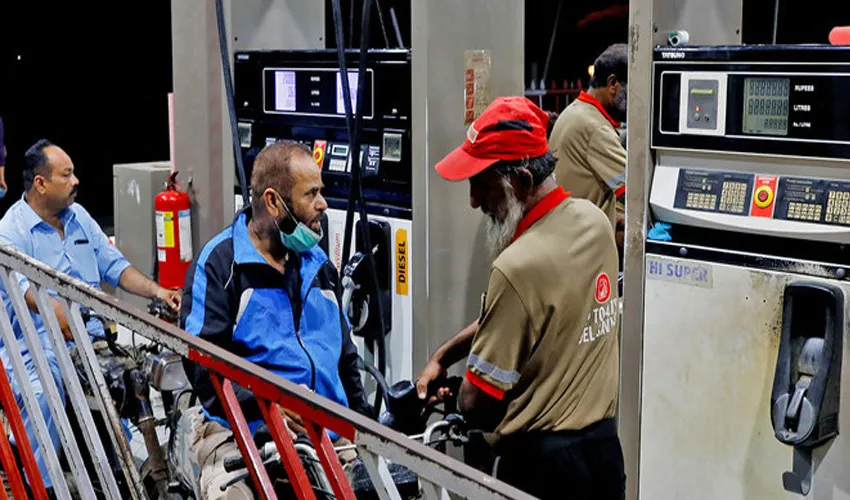
ISLAMABAD —Ramadan, a time when compassion and generosity are supposed to define the spirit of the nation, Pakistan’s ruling elite seem untouched by such virtues. The country’s economy is buckling, its people are reeling, and yet the government is poised to deliver another blow: a petrol price hike set to take effect on March 1. Despite a nearly 3 percent drop in global oil prices, the ex-depot cost of petrol is expected to climb by Rs4 to Rs4.50 per liter, sources say. For a population already crushed by inflation at an all-time high, this feels less like governance and more like indifference.
Pakistanis are no strangers to hardship, but the past few years have been relentless. Inflation has soared to levels unseen in decades, with the consumer price index hitting 38 percent in May 2023 and hovering around 25 percent in recent months, according to the Pakistan Bureau of Statistics. Food prices have doubled for staples like wheat and cooking oil, while electricity and gas tariffs have shot up, leaving families scrambling to make ends meet.
Now, with petrol currently priced at Rs256.13 per liter and high-speed diesel at Rs263.95, the government’s decision to raise fuel costs—while global oil prices are dipping—adds salt to an open wound.
The reasoning, officials claim, lies in a weakening rupee and a slight uptick in international rates. Brent crude, a global benchmark, has held steady over the past week or so, but it dropped 2.7 percent to $72.79 per barrel this Tuesday, per Reuters, alongside a similar slide in U.S. West Texas Intermediate crude.
A weaker rupee—now trading at over Rs278 to the dollar—means imports cost more, and Pakistan, heavily reliant on foreign oil, feels the pinch. Yet the government’s response isn’t to cushion the blow but to pass it on, taxing petrol and diesel at Rs76 per liter, including a hefty Rs60 Petroleum Development Levy. Compassion, it seems, doesn’t factor into the equation.
For the average Pakistani, this isn’t just numbers on a ledger—it’s survival. Petrol powers the rickshaws, motorcycles, and small cars that keep the middle and working classes moving. Another price jump means tighter budgets, fewer trips to the market, and harder choices about what to cut next.
Diesel, meanwhile, runs the trucks and tractors that haul goods and harvest crops. Even with a minor dip projected for diesel and kerosene—less than Rs1 per liter—it’s a hollow gesture when kerosene, officially Rs171.65 per liter, is already fetching Rs300 to Rs350 in many areas due to shortages.
The disconnect between Pakistan’s rulers and its people has rarely felt wider. The elite cruise through Islamabad in luxury SUVs, burning high-octane fuel taxed at Rs50 per liter, while the masses queue for hours at pumps or haggle over black-market kerosene.
Oil companies and dealers skim Rs17 per liter on petrol and diesel for distribution and sales, and the government rakes in its share, all while preaching austerity to a population that’s long past belt-tightening.
Ramadan should be a time of reflection, a moment for leaders to look inward and ease the burdens of their countrymen. Instead, Pakistan’s ruling class is doubling down, squeezing more from a people who have little left to give. Inflation’s grip, already suffocating, tightens further with every policy like this. The global oil market may offer a reprieve, but in Pakistan, that mercy stops at the border. For the millions struggling to keep their stoves lit and their children fed, the message is clear: even in a month of grace, the elite have none to spare.