
 News Desk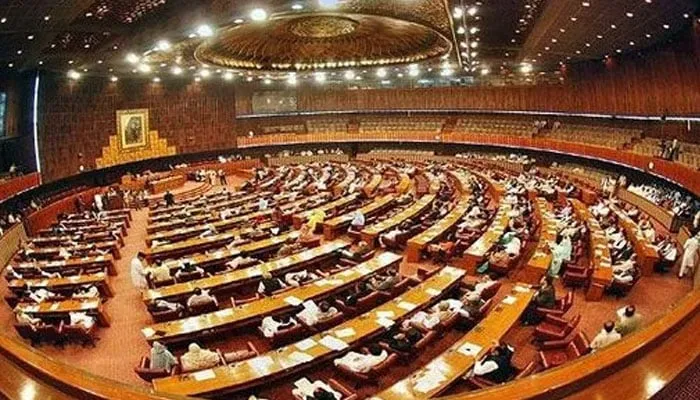
Islamabad, – As millions of Pakistanis struggle to cope with skyrocketing inflation and rising economic hardship, the country’s lawmakers have voted themselves a hefty pay raise, igniting anger and disbelief across the nation.
The National Assembly on Tuesday passed the Members of Parliament Salaries and Allowances (Amendment) Bill 2025, which proposes a staggering 138% increase in the salaries of parliamentarians.
Under the new legislation, MPs’ pay will rise from Rs218,000 to Rs519,000, bringing it in line with the salaries of federal secretaries. The bill, which has already been approved by the Senate, is now awaiting the signature of the President to become law.
The timing of the decision has sparked outrage among the Pakistani public, who are already reeling from years of economic instability. With inflation at record highs, many families are struggling to afford basic necessities. Yet, in a show of solidarity that crosses party lines, lawmakers from across Pakistan’s political spectrum—including the Pakistan Peoples Party (PPP), Pakistan Tehreek-e-Insaf (PTI), and Pakistan Muslim League-Nawaz (PML-N)—unanimously backed the legislation.
Romina Khurshid Alam, a lawmaker from the ruling PML-N, tabled the bill, which sailed through the National Assembly with little opposition. It passed with the full support of the Finance Committee, chaired by National Assembly Speaker Ayaz Sadiq. Even opposition parties, who have been vocal about government mismanagement, did not raise any objections to the raise.
In addition to the salary hikes for MPs, the bill also includes significant increases for provincial lawmakers. In Punjab, a similar bill passed in December saw the salaries of provincial ministers jump from Rs76,000 to Rs400,000. Other prominent figures, such as the speaker and deputy speaker, will see their salaries soar from Rs125,000 to Rs950,000 and Rs120,000 to Rs800,000, respectively.
For ordinary Pakistanis, these increases come as a bitter pill to swallow. Inflation is running rampant, with food prices and fuel costs at unprecedented levels. As of January 2025, Pakistan’s inflation rate stands at nearly 30%, pushing millions of people into poverty and causing widespread discontent. Yet, lawmakers appear insulated from the economic turmoil gripping the country.
Pakistan’s parliamentarians, it seems, are not just voting on policies—they are voting to protect their own wealth, even as the rest of the nation faces unprecedented economic strain. For a nation already on the brink, the sight of its leaders looking after their own interests in such an opulent manner is a harsh reminder of the widening gap between the political class and the people they serve.
The pay raise for Pakistan’s elite has raised questions about the government’s priorities. While the masses endure significant hardship, the political class appears determined to cushion themselves against the very inflation that has hit the rest of the population hard.
For many Pakistanis, the move has reinforced a growing perception of a disconnect between the ruling elite and the ordinary people they represent. As the country grapples with a staggering national debt, a failing economy, and widespread poverty, the decision to significantly raise lawmakers’ pay has drawn widespread condemnation. Critics argue that this move will only deepen the divide between the privileged few and the suffering masses.









