News Desk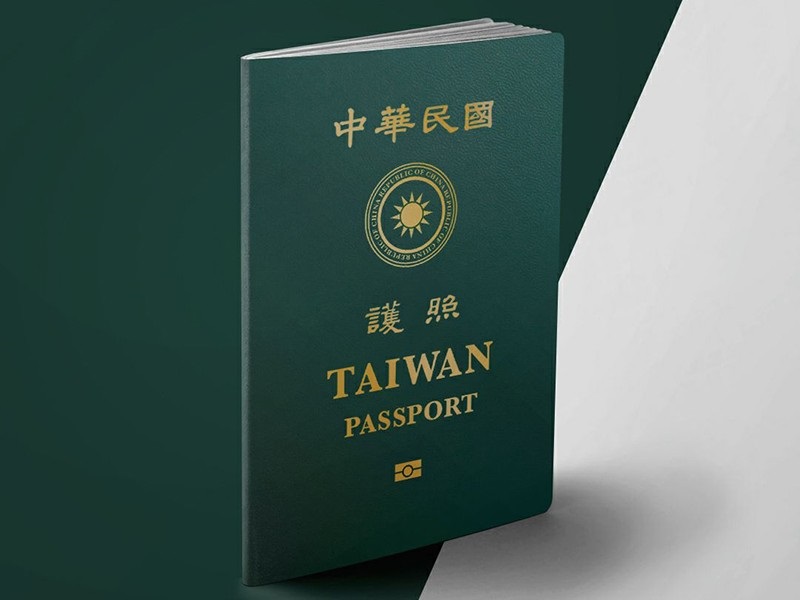
In a world where mobility is often a reflection of global standing, Taiwan has once again demonstrated its diplomatic agility, securing the 34th spot in the latest Henley Passport Index. The ranking, which evaluates passports based on the number of destinations their holders can enter without prior visa approval, places Taiwan far ahead of its powerful neighbor, China, which languishes in 60th place. This gap underscores the stark contrasts between the self-governing island and the authoritarian behemoth across the Taiwan Strait.
Taiwanese citizens can enter 139 countries without a visa or with visa-on-arrival privileges, a testament to their country’s reputation for stability, economic prosperity, and adherence to democratic norms. In contrast, Chinese passport holders can access only 83 countries under similar conditions, a reflection of Beijing’s strained diplomatic relations and the skepticism many nations have toward the ruling Communist Party’s global ambitions.
The divergence in passport strength is not just a matter of convenience for travelers—it is a symbol of Taiwan’s successful engagement with the international community despite Beijing’s relentless efforts to isolate it. The Chinese government, which falsely claims Taiwan as part of its territory, has aggressively sought to block the island’s participation in global organizations, pressured foreign governments to downgrade diplomatic ties, and coerced multinational corporations into referring to Taiwan as a province of China. Yet, despite this sustained campaign, Taiwan’s global footprint continues to expand, as evidenced by its improving passport ranking.
Beijing’s international standing, by contrast, has been hindered by its increasingly aggressive foreign policy, which has alienated many countries. The Chinese passport’s limitations reflect these tensions, as Western democracies and even regional neighbors grow wary of China’s expansionism, human rights abuses, and economic coercion. Moreover, the erosion of Hong Kong’s autonomy and freedoms under Beijing’s heavy hand has further tarnished China’s credibility, as evidenced by the declining number of countries offering visa-free access to Hong Kong passport holders.
Taiwan’s ascent in the rankings is particularly notable given its relatively small size and lack of formal diplomatic recognition by most nations. When the Henley Passport Index was first published in 2006, Taiwan ranked 55th, hitting a low of 69th in 2010 before peaking at 24th in 2014. Since then, it has consistently maintained a position in the 30s, a testament to its growing soft power and robust bilateral relationships. Meanwhile, China’s passport, despite the country’s economic might, remains shackled by its government’s authoritarian policies and deteriorating international reputation.
The latest rankings also underscore a broader reality: China’s economic clout does not translate into global trust. While Beijing spends billions on its Belt and Road Initiative, seeks to buy influence at the United Nations, and attempts to bully smaller nations into submission, Taiwan continues to win goodwill through transparency, respect for international norms, and people-to-people diplomacy. The contrasting trajectories of their passport rankings serve as yet another indicator that while China’s rise is accompanied by suspicion, Taiwan’s ascent is met with welcome arms.