 News Desk
BEIRUT — In a country where foreign patronage often decides political fortunes, Lebanon’s ruling class has long looked toward Riyadh for blessing and support. But for nearly a decade, many of its most prominent politicians and businessmen were not speaking to Saudi Arabia at all. They were speaking to a car mechanic from Akkar.
Akkar is Lebanon’s northernmost governorate, bordering Syria to the north and the Mediterranean Sea to the west. Its administrative capital is Halba, located about 30 km northeast of Tripoli and roughly 112 km from Beirut.
The man, Mustafa Al-Husayan — a blacksmith from the northern borderlands of Wadi Khaled — reinvented himself as “Prince Abu Omar,” a supposed senior Saudi royal close to the court in Riyadh. With a carefully rehearsed Bedouin accent and a strict insistence on secrecy, he convinced some of Lebanon’s most seasoned operators that he held the keys to Saudi influence.
What followed was one of the most audacious frauds in Lebanon’s modern history: a parallel political ecosystem built on phone calls, promises of high office, and cash payments.
The scheme began around 2015, as Lebanon entered another cycle of parliamentary elections and prime ministerial manoeuvring. Al-Husayan, who had no political background, relied on the credibility of his partner, Khaldoun Aremat, a former Sharia judge and respected Sunni figure.
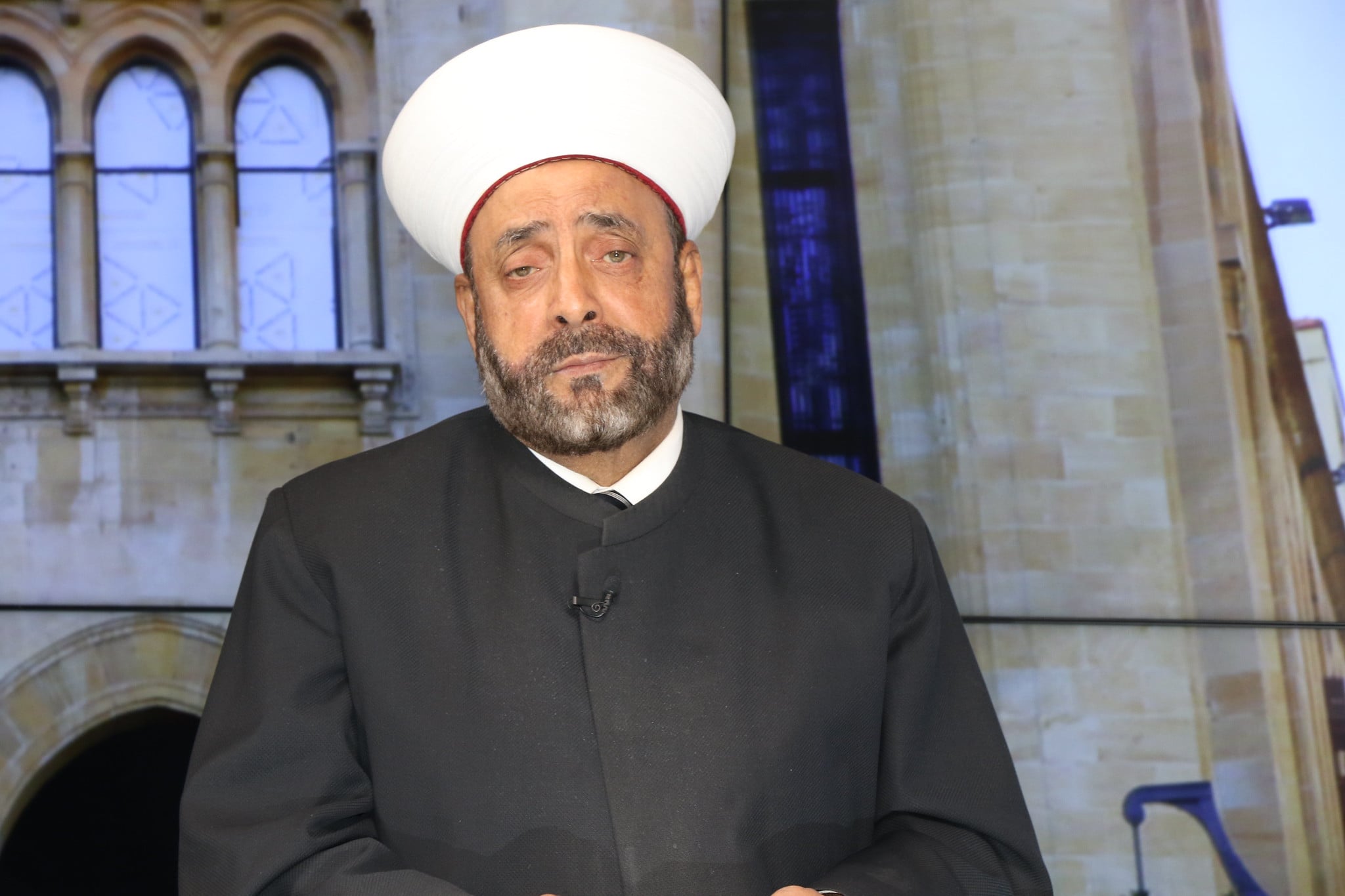
Aremat acted as the gatekeeper. He met with ambitious candidates, businessmen, and party leaders, then arranged calls from Al-Husayan, who played the role of the Saudi insider. Together, they offered what many in Lebanon craved: the illusion of Riyadh’s backing.
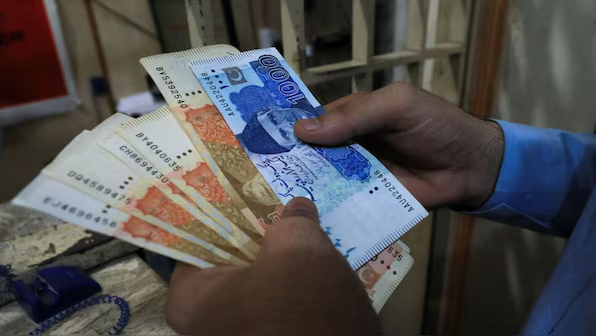
Victims were told that Saudi Arabia would support their bids for parliament, ministerial posts, or even the premiership. In return, they were asked to provide “support” — monthly stipends, donations to charities, or direct cash payments.
The list of those ensnared reads like a who’s who of Lebanon’s political establishment. Former Prime Minister Fouad Siniora received calls from “Abu Omar.” Businessman and ex-MP Michel Pharaon allegedly paid $4,000 a month for promises of a parliamentary comeback. Journalist Ridwan Al-Sayyed, close to Siniora, was drawn in.
Others included former Minister Muhammad Shukair, Ghassan Hasbani, Nazih Hamad, and even Samir Geagea, leader of the Lebanese Forces, who was later reprimanded by Saudi officials for engaging with the impostor.
Contracts were influenced too. Omar Aytani’s son Muhammad, along with Tariq Al-Marabi, secured a Beirut port deal based on assurances from the fake prince.
Payments ranged from tens of thousands to half a million dollars per person. Over ten years, investigators estimate, the fraud may have netted millions.
The deception seeped into real political events. On the eve of binding parliamentary consultations to nominate Nawaf Salam as prime minister, MPs reportedly received directives from “Abu Omar.”
In April 2024, Al-Husayan even called Siniora to offer condolences on the death of Bahia Hariri, sister-in-law of former Prime Minister Saad Hariri. Suspicious, Hariri asked the Saudi ambassador about the call. The ambassador denied any knowledge.
That denial planted the seeds of doubt.
By mid-2025, suspicions grew. During one call, Al-Husayan’s personal phone rang, exposing his real voice. Army intelligence moved quickly, arresting him in Akkar. Under interrogation, he confessed, providing video and audio evidence of his impersonations.
Aremat fled to the United Arab Emirates, where he remains under scrutiny. Lebanese authorities are weighing charges of political forgery and national security violations.
The scandal has been described by local media as Lebanon’s “biggest political fraud.” It revealed not only the gullibility of Lebanon’s elite but also the fragility of a system where foreign endorsement is often seen as the ultimate currency.
In a country battered by economic collapse, presidential deadlock, and chronic instability, the promise of Saudi influence proved irresistible — even when it came from a mechanic with a borrowed accent.
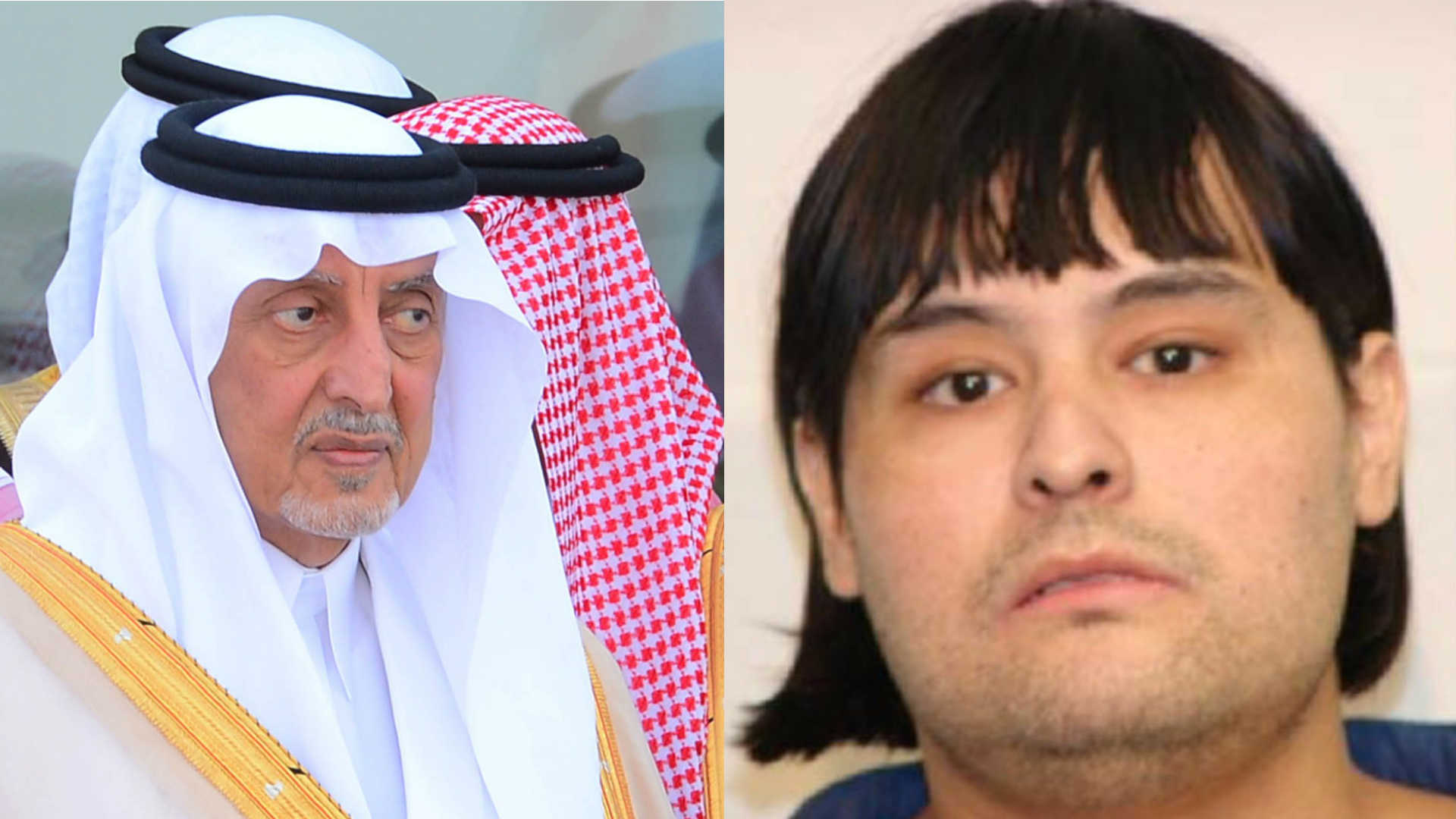
The saga of “Prince Abu Omar” is more than a tale of deception. It is a parable about Lebanon’s political culture: a system so dependent on external validation that it allowed a low-level operator to manipulate high-stakes decisions for nearly a decade.
As investigations continue, the scandal has left Lebanon’s elite facing uncomfortable questions. How could so many seasoned politicians be fooled for so long? And what does it say about a political class so desperate for foreign patronage that it mistook a blacksmith for a prince?
This story was reported by TRT Arabic and some Arabic outlets in Lebanon.