News Desk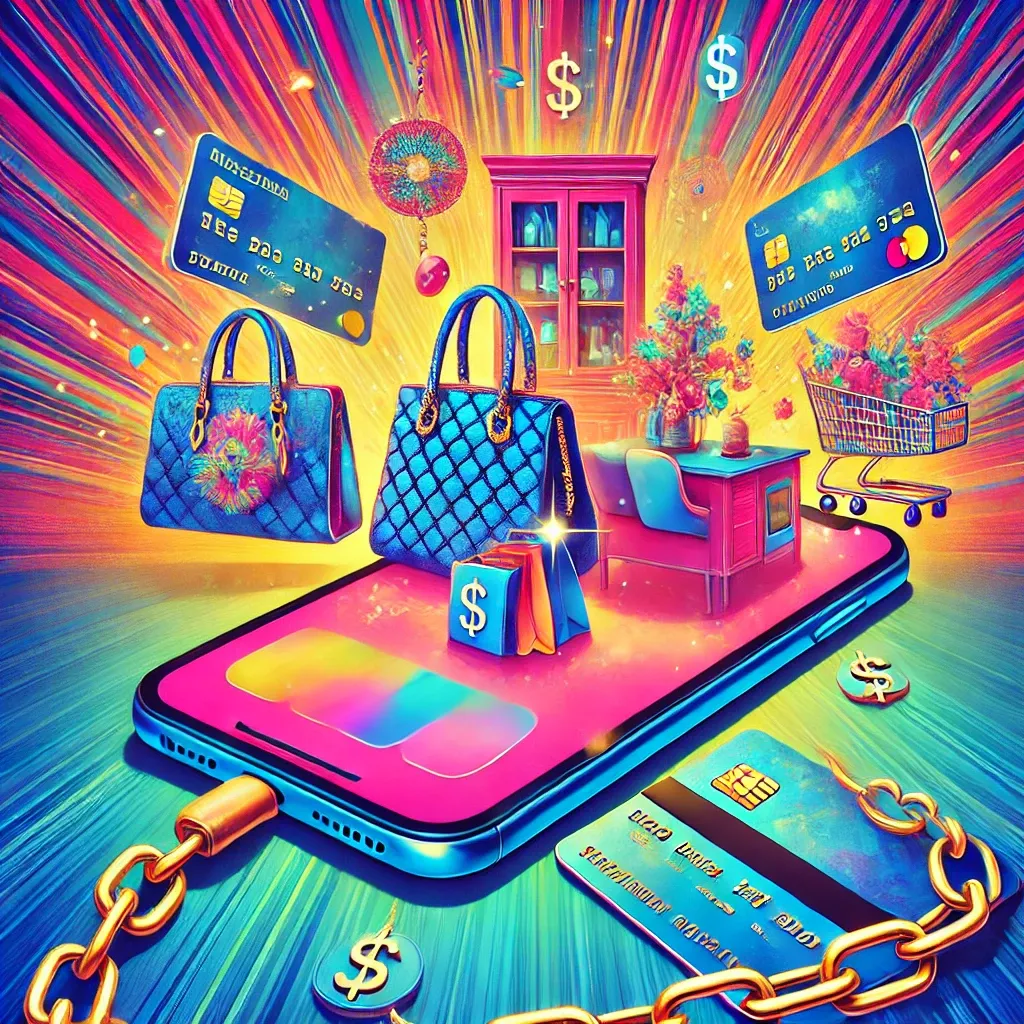
In the glossy world of TikTok and Instagram, perfection is for sale, and everyone is a willing buyer. Designer bags swing on forearms, pristine kitchens gleam under artfully dimmed lighting, and perfectly coiffed families pose in Disneyland splendor.
The hashtag #TikTokMadeMeBuyIt, with its 50 billion views, serves as both confession and celebration—a digital parade of consumer envy that has spiraled into an economic quagmire for many.
For Lauren Chambers, a 35-year-old wedding photographer from Coleraine, Northern Ireland, the fantasy came at a steep price. A Disneyland Paris trip she couldn’t afford ignited years of unchecked spending as she scrambled to mirror the curated lives she saw online. “I thought, ‘If they can do it, why can’t I?’” Lauren recalls. By the time she faced the reality of her debt, it had swelled to £40,000 (approximately ₹41,00,000).
Lauren’s story is far from unique. Across the globe, a growing number of women are finding themselves ensnared by what experts have labeled “wealth porn”—the relentless, highly curated display of luxury and affluence that thrives on social media. Behind the perfectly staged images lies a sobering truth: the pressure to perform wealth is pushing users into financial ruin.
#TikTokMadeMeBuyIt
Platforms like TikTok and Instagram are fertile ground for this phenomenon, particularly among women. According to a 2024 Ofcom report, women in the U.K. spend 30 minutes more on social media daily than men, with younger women devoting even more time to their feeds. This extended exposure creates a feedback loop of aspiration and inadequacy, fueled by targeted advertising and influencers hawking everything from high-end beauty products to buy-now-pay-later schemes.
Sarah, a 39-year-old copywriter from Surrey, fell into the trap after the birth of her daughter in 2021. “I wanted to be the kind of mum I saw online—wooden toys, perfect outfits, everything curated,” she says. “It wasn’t just about stuff; it felt like my self-worth as a parent was tied to what I could buy.” That impulse left her with £20,000 (approximately ₹20,50,000) in debt.
The psychology is as old as human nature itself, explains Elaine Kasket, a cyberpsychologist and author of Reset: Rethinking Your Digital World for a Happier Life. “Humans are wired to compare—it’s about survival. But social media supercharges this instinct, turning it into a global contest.”
“You’re chasing a fantasy that doesn’t exist.”
The term “wealth porn” isn’t just evocative; it’s instructive. Much like its more explicit counterpart, it trades on fantasy. Behind the scenes, many influencers face their own struggles—unsustainable spending, debt, or even fraud to keep up appearances.
“The polished image of wealth is often built on sand,” says financial educator Funmi Olufunwa. “But the platforms that host these illusions make it easier than ever to spend impulsively. You’re chasing a fantasy that doesn’t exist.”
In 2023, a viral TikTok post exposed one influencer’s £7,000 (approximately ₹7,20,000) credit card debt, prompting a flurry of discussions around transparency in social media’s aspirational culture. Still, for many users, the pull of emulation remains strong.
“Success isn’t a designer handbag”
Lauren and Sarah have both clawed their way out of financial peril by confronting their spending habits and reevaluating their relationship with social media. “I stopped following influencers who made me feel like I needed more,” Lauren says. “Instead, I started following financial experts and people who were open about their struggles.”
Sarah, who has brought her debt down to £5,000 (approximately ₹5,10,000), sees the experience as a painful but necessary lesson. “Social media isn’t your village; it’s a storefront,” she says. “Realizing that was the first step toward freedom.”
“Now, I’m determined to share the reality of my life, messy and all. Success isn’t a designer handbag; it’s peace of mind.” Lauren
For Lauren, the transformation has been about more than just money. “Becoming debt-free was empowering,” she says. “Now, I’m determined to share the reality of my life, messy and all. Success isn’t a designer handbag; it’s peace of mind.”
As the allure of social media’s highlight reels continues to shape how we define success, the question remains: Can we resist the pull of comparison before it bankrupts us—financially and emotionally? The Sun