 News Desk
The Tehreek-e-Taliban Pakistan (TTP) has gained a formidable foothold in recent years, emboldened by the Taliban’s return to power in Afghanistan in 2021. The group, which operates independently of its Afghan counterpart but shares ideological ties, has escalated attacks in Pakistan, targeting both civilians and the military. With its fighters now numbering in the tens of thousands, the TTP has carved out significant influence in the borderlands, where it has begun to establish a parallel governance system.
The Pakistan Taliban’s recent surge in power is fueling growing tensions between Islamabad and Kabul. Pakistan accuses the Taliban government in Afghanistan of offering safe havens to TTP militants, who have launched numerous cross-border raids. In response, Pakistan has carried out airstrikes on alleged TTP hideouts in Afghanistan, prompting retaliatory actions from the Afghan side. Pakistani Prime Minister Shehbaz Sharif has vowed to protect the country’s sovereignty at all costs, warning that the presence of TTP fighters in Afghanistan is unacceptable.
The TTP, founded in 2007, aims to establish an Islamic emirate in Pakistan and impose its strict interpretation of sharia law. The group has been responsible for some of the deadliest attacks in Pakistan’s history, including the 2014 massacre at a military-run school that killed over 130 children. Its resurgence, fueled by the influx of military-grade equipment left behind by the U.S. after its withdrawal from Afghanistan, has reversed much of Pakistan’s progress in curbing militancy. According to reports, the TTP now operates with approximately 6,000 to 6,500 fighters in Afghanistan, and local estimates suggest that as many as 20,000 individuals may be affiliated with the group.
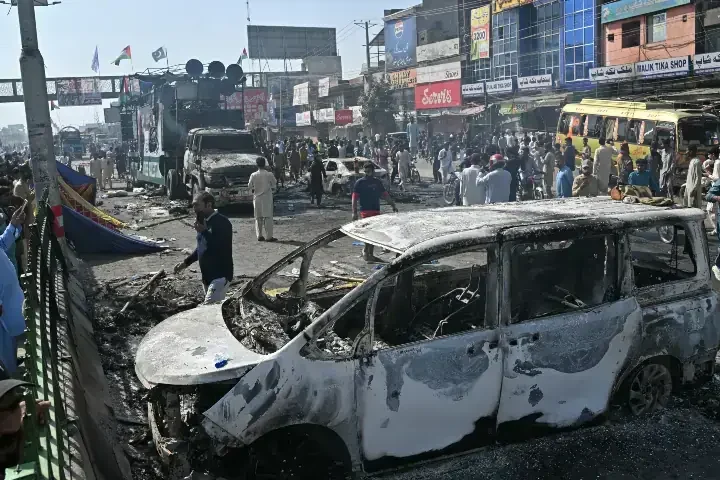
The rise of the TTP has put tremendous pressure on Pakistan’s already fragile political landscape. Last year alone, more than 2,500 people were killed in terrorist attacks, most attributed to the TTP. These attacks have exacerbated internal political strife, further complicating relations with Afghanistan. Islamabad’s prior covert support for the Taliban, in hopes of gaining its assistance in curbing the TTP, has proven to be a strategic miscalculation.
The TTP’s recent threats have signaled a shift in its tactics, with the group now targeting Pakistan’s economic interests, urging civilians to divest from military-run organizations. This move is seen by analysts as a signal that the TTP may be gearing up for a more widespread campaign of violence. Meanwhile, the Pakistani military has vowed to take a hard line against the TTP, demanding that the Taliban regime in Afghanistan crack down on the group. However, Afghanistan’s Taliban government is reluctant to take such action, fearing that pushing the TTP could drive them into the hands of the Islamic State’s Khorasan branch (ISIS-K), which also operates in the region.
The cross-border violence continues to destabilize both nations, with locals suffering the most from the ongoing conflict. Residents in Pakistan’s tribal areas are caught in the crossfire between jihadi militants and security forces, with many fearful of stepping outside after dark due to the violence. As tensions mount, both countries are under increasing pressure to resolve their differences, but the persistent and growing threat of the TTP leaves little hope for a swift resolution.