News Desk
Conflict‑related deaths in Pakistan rose sharply in 2025, surging by 73 percent as militant attacks intensified across the country, according to new data from a leading security research group. The findings underscore a worsening security landscape in a nation already grappling with political volatility and economic strain.
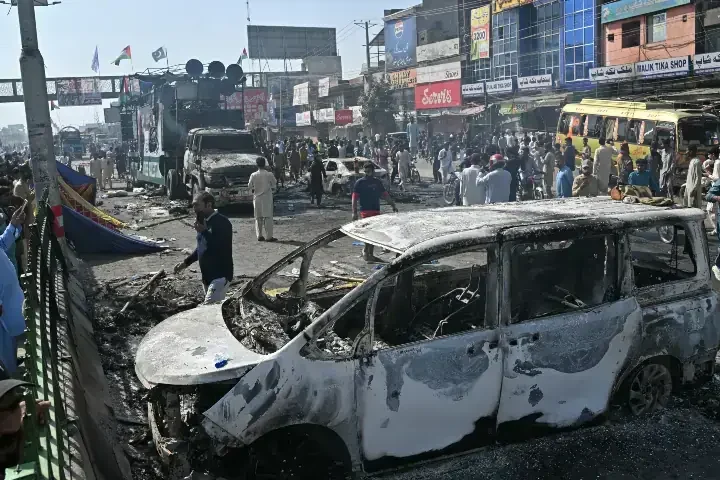
The Pakistan Institute for Conflict and Security Studies (PICSS) reported that at least 2,115 militants, 664 security personnel and 580 civilians were killed over the past year, making 2025 the deadliest year for insurgents in more than a decade. Militant assaults, the report said, reached their highest annual level since 2014, driven in part by a rise in suicide bombings and the growing use of small armed drones.
Pakistan’s Slide in the Global Peace Index Exposes a Region Moving in Divergent Directions
Security forces also suffered heavy losses, with fatalities rising 26 percent from the previous year. Civilian deaths increased by 24 percent, marking the worst toll in ten years. PICSS described 2025 as the most lethal year for Pakistan’s security forces since 2011, reflecting the expanding reach and sophistication of militant networks.
Much of the violence has been concentrated along Pakistan’s western border, where a resurgence of militant groups has coincided with the Taliban’s return to power in Afghanistan. Cross‑border tensions, sporadic clashes, and the presence of fighters operating from Afghan territory have strained already fragile relations between Islamabad and Kabul.
Analysts say the spike in violence reflects a combination of factors: weakened counterterrorism coordination, reduced intelligence‑sharing, and the pressures of a prolonged economic downturn that has stretched state capacity. Together, they have allowed militant groups to regain operational space in several regions.
The report also documented 2,263 injuries in 2025, affecting civilians, security personnel, militants, and members of local peace committees. At the same time, terrorism‑related arrests rose sharply, with authorities detaining 497 suspects, an 83 percent increase from the previous year — a sign, PICSS said, of intensified enforcement efforts.
Still, experts caution that arrests alone will not reverse the trend. Without sustained political stability, economic recovery, and deeper regional cooperation, they warn, Pakistan is likely to face continued security risks despite tougher counterterrorism measures.