News Desk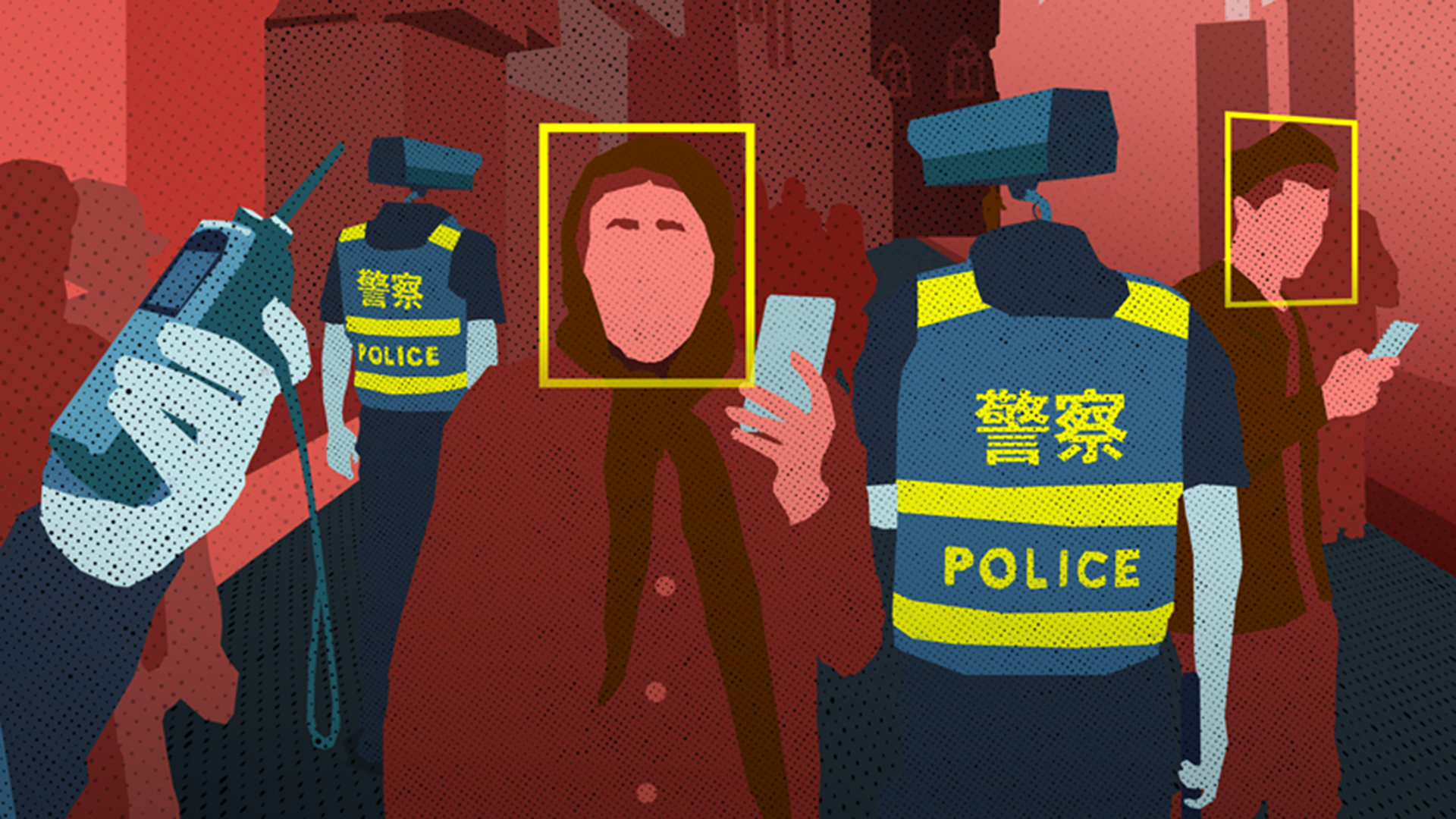
In a rare joint advisory this month, intelligence agencies from the United States, United Kingdom, and Australia sounded the alarm on an escalating digital threat with a chilling focus: Uyghur rights activists targeted by Chinese state-linked surveillance malware.
The tools, dubbed “BADBAZAAR” and “MOONSHINE”, are not just sophisticated—they’re invasive. According to cybersecurity analysts, the spyware can infiltrate smartphones and personal devices, siphoning off sensitive data, monitoring communications, and even activating cameras or microphones without the user’s knowledge. The targets? Human rights defenders, journalists, and diaspora leaders critical of China’s policies in Xinjiang.
While China has long denied any abuse of its Uyghur population, this latest revelation underscores a troubling evolution in how Beijing manages dissent—not just within its borders, but far beyond them.
For years, the Chinese Communist Party has invested heavily in internal surveillance infrastructure: facial recognition cameras, AI-powered “predictive policing,” and sprawling digital monitoring systems embedded in daily life across Xinjiang. But this advisory confirms what many in the Uyghur diaspora have long feared—that China’s technological repression has gone global.
“The message is clear,” said a cybersecurity expert at Recorded Future, which has tracked the malware’s spread. “Beijing doesn’t just want to silence dissent at home—it wants to monitor and intimidate it anywhere it arises.”
In one documented case, a Uyghur student in Germany found her phone compromised just weeks after attending a peaceful protest outside the Chinese consulate in Munich. Similar incidents have been quietly reported in Canada, the Netherlands, and Turkey.
As expected, China dismissed the advisory as “groundless” and accused Western governments of “fabricating digital threats to discredit China’s rise.” Yet researchers say the technical evidence is difficult to refute: both BADBAZAAR and MOONSHINE bear hallmarks of state-level operations, including advanced obfuscation techniques and links to previous Chinese cyber campaigns.
The irony, critics point out, is that while Beijing demands absolute control over information flows within China, it exploits the openness of democratic systems to export its surveillance abroad.
“This isn’t just about spyware,” said Maya Wang of Human Rights Watch. “It’s about an authoritarian regime weaponizing technology to extend its reach across continents. It’s digital authoritarianism without borders.”
For Uyghur communities abroad—already fractured by exile and trauma—this cyber offensive is not merely theoretical. It’s deeply personal.
“We don’t talk on the phone anymore. We don’t use WhatsApp or email like we used to,” said a Uyghur activist in Istanbul, who requested anonymity. “Everything we do feels like it’s being watched. And sometimes, it is.”
Even encrypted platforms are no longer immune. In several reported instances, malware masqueraded as Islamic religious apps or VPN tools, making it especially insidious in communities that rely on such services for connection and security.
While much of Asia remains silent or compliant in the face of China’s surveillance ambitions, India has taken a different tack. Though it too grapples with complex internal challenges, New Delhi has moved to restrict Chinese tech firms from operating unchecked within its digital sphere—banning dozens of Chinese apps in recent years over national security concerns.
India’s embrace of a more assertive digital sovereignty has quietly resonated across globe, presenting an alternative model—one that marries economic development with a measure of resistance to authoritarian overreach.
“The difference is subtle, but meaningful,” said Arvind Narayan, a policy analyst in New Delhi. “Where others have buckled, India is carving space for autonomy. That matters, especially now.”
As the digital front of the Uyghur crisis intensifies, activists and analysts warn that current protections are insufficient. Existing cybersecurity frameworks often fail to anticipate or respond to the hybrid threat posed by nation-state surveillance targeting vulnerable communities.
The joint intelligence advisory is a start—but it also serves as a stark reminder of the imbalance: one of the world’s most technologically advanced authoritarian regimes pursuing some of its most marginalized critics.
For the Uyghur diaspora, the fear is no longer just of detention camps or surveillance grids—it’s of a silence that follows them thousands of miles from home, downloaded one app at a time.